ISHN logo
search
cart
facebook twitter linkedin youtube
  • Sign In
  • Create Account
  • Sign Out
  • My Account
ISHN logo
  • NEWS
    • Today's News
    • Global Safety News
    • Government Regulations
  • PRODUCTS
    • Product Innovations
    • Featured Products
  • TOPICS
    • Environmental Health and Safety
    • Facility Safety
    • Workplace Health
    • Occupational Safety
    • PPE
    • More Topics
  • CONSTRUCTION
  • TECHNOLOGY
  • COLUMNS
    • Best Practices
    • Dave Johnson: What’s going on
    • Editorial Comments
    • Leading Safety
  • MULTIMEDIA
    • ISHN Podcast
    • Videos
    • Cold Stress Education Quiz
    • Webinars
    • White Papers
  • MORE
    • Buyer's Guide
    • Newsletters
    • Convention Companion
    • Polls
    • Events
    • ISHN Store
    • Sponsor Insights
  • EMAGAZINE
    • eMagazine
    • Archived Issues
    • Contact
    • Advertise
  • JOIN TODAY!
Today's Safety NewsEnvironmental Health and SafetyTransportation Safety

Are flight attendants at increased risk for breast cancer?

December 21, 2016

During the course of their shifts, flight attendants face exposure to cosmic radiation at higher concentrations than the public generally experiences on the ground, may cross time zones, and work during normal sleeping hours. All of these work conditions raise questions about potential occupational health hazards. Cosmic radiation is a form of ionizing radiation. Ionizing radiation is linked to risks for cancer and reproductive effects, but there are uncertainties about risk from cosmic radiation at the levels and durations of occupational exposure that flight crews may experience. Similar uncertainties complicate scientists’ abilities to estimate similar risks from disruption of the body’s “time clock” and sleep cycle. At the National Institute for Occupational Safety and Health (NIOSH), scientists study these and other exposures in efforts to reduce uncertainty and better protect workers’ health and safety.

Motherhood is a risk factor

One of the potential health hazards associated with exposure to cosmic radiation and working during normal sleeping hours, or shift work, is breast cancer. In a new study in the Scandinavian Journal of Work, Environment & Health NIOSH investigators looked specifically at the question of whether a relationship exists between breast cancer and these work conditions, in addition to crossing time zones, while controlling for other factors that could affect breast cancer risk. They found that these work conditions were not statistically associated with an increased risk of breast cancer among flight attendants overall. Among a subset of flight attendants with three or more births, however, these work conditions were statistically associated with a significantly greater risk of breast cancer. Although the associations found in this study among women with three or more births were strong, this subset of women was small at 15% of the total study group. For this reason, more research is necessary to confirm these findings, according to the investigators.

In a previous study by the same investigators, flight attendants were more likely to be diagnosed with breast cancer than women in the general population.This increase seemed to be associated with beginning to have children later in life and to giving birth fewer times than women in the general population. Both of these factors are known risks for breast cancer in the general population.

How the study was done

In both studies, volunteer study participants included 6,093 former flight attendants in the United States. All participants were female, and their average age was 55. Through telephone interviews with participants, investigators obtained demographic information, including age, education, and work history; risk factors for breast cancer including number of births; and cancer diagnoses. They also obtained cancer diagnoses by linking to six state cancer registries and age and work history data from the airline company records. After estimating the amount of exposure to cosmic radiation, number of time zones crossed, and time spent working during normal sleeping hours for each participant, the investigators used statistical methods to assess potential links of these estimates to breast cancer incidence. As research continues to clarify the implications of work factors for aircraft crews, NIOSH offers precautionary recommendations for employers and workers at Aircrew Safety & Health.

More information is available:

Breast Cancer Incidence among Female Flight Attendants: Exposure–response Analyses

Breast Cancer Incidence in a Cohort of U.S. Flight Attendants

NIOSH Division of Surveillance, Hazard Evaluations, and Field Studies

NIOSH Update: Are Flight Attendants at Higher Risk for Miscarriage?

KEYWORDS: aviation industry cancer NIOSH research occupational exposure

Share This Story

Looking for a reprint of this article?
From high-res PDFs to custom plaques, order your copy today!

Recommended Content

JOIN TODAY
to unlock your recommendations.

Already have an account? Sign In

  • forklift safety

    Exploring the latest technologies in forklift safety

    With more staff and more stock in warehousing now more...
    Workplace Training Strategies
    By: Josh Cramer
  • welding

    All about welder’s flash or arc eye

    A flash burn is a painful inflammation of the cornea,...
    Environmental Health and Safety
  • dangerous jobs

    The 10 most dangerous jobs in the U.S.

    On-the-job deaths have been rising — hitting the highest...
    Government Safety Regulations
    By: Benita Mehta
Manage My Account
  • eMagazine Subscriptions
  • ISHN Newsletter & Other Newsletter Alerts
  • Online Registration
  • Manage My Preferences
  • Subscription Customer Service

More Videos

Sponsored Content

Sponsored Content is a special paid section where industry companies provide high quality, objective, non-commercial content around topics of interest to the ISHN audience. All Sponsored Content is supplied by the advertising company and any opinions expressed in this article are those of the author and not necessarily reflect the views of ISHN or its parent company, BNP Media. Interested in participating in our Sponsored Content section? Contact your local rep!

close
  • man wearing the the Sundström SR200 Full Face Mask Respirator
    Sponsored byOHD

    5 Fit Testing Mistakes That Could Cost You

  • This image shows Magid AcuSpex polarized blue mirrored safety glasses.
    Sponsored byMagid Glove and Safety

    Construction PPE Guide: What Crews Need for Each Task

  • lone worker in confined space
    Sponsored byAlphasense Ltd.

    GET THE LEAD OUT of your Safety Oxygen Sensors!

Popular Stories

SpaceX 7 launch

OSHA Investigating Fatal Fall at SpaceX Starbase

Worker Impairment

How to Tell When a Co-Worker is Impaired? A Safety Pro’s Challenge

Automated loading dock equipment

After March 2026 Rivian Death, Safety Managers Reassess Loading Dock Systems Under OSHA's Warehouse Emphasis Program

top 10 most dangerous jobs

Poll

Seasonal Readiness

With the federal heat stress prevention rule on the horizon, which area of your safety program needs the most attention?
View Results Poll Archive

Products

Surviving an OSHA Audit A Management Guide, 2nd Edition

Surviving an OSHA Audit A Management Guide, 2nd Edition

See More Products

ISHN Podcasts

Related Articles

  • Research indicates Baby Boomers, Gen Xers and Millennials at increased risk for hearing loss (7/8)

    See More
  • Older people at increased risk for hyperthermia

    See More
  • EHS research

    Cancer strikes flight attendants at higher than average rates

    See More

Related Products

See More Products
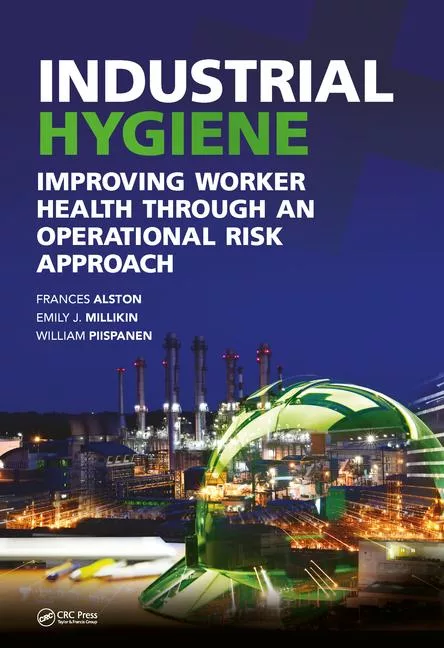
  • industrial hy.jpg

    Industrial Hygiene: Improving Worker Health through an Operational Risk Approach

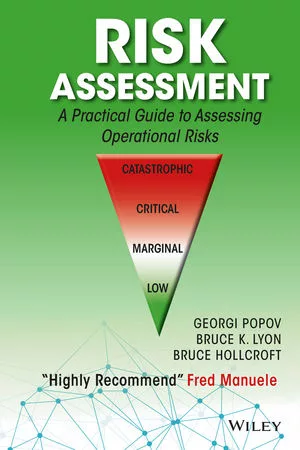
  • 1118911040.jpg

    Risk Assessment: A Practical Guide to Assessing Operational Risks

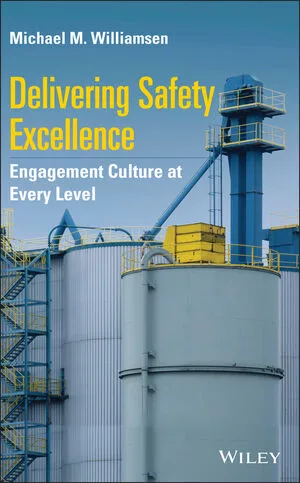
  • 1119772133.jpg

    Delivering Safety Excellence: Engagement Culture at Every Level

See More Products
×

Become a Leader in Safety Culture

Build your knowledge with ISHN, covering key safety, health and industrial hygiene news, products, and trends.

JOIN TODAY
  • RESOURCES
    • Advertise
    • Contact Us
    • Directories
    • Manufacturing Division
    • Store
    • Want More
  • SIGN UP TODAY
    • Create Account
    • eMagazine
    • Newsletters
    • Customer Service
    • Manage Preferences
  • SERVICES
    • Marketing Services
    • Reprints
    • Market Research
    • List Rental
    • Survey/Respondent Access
  • STAY CONNECTED
    • LinkedIn
    • Facebook
    • YouTube
    • X (Twitter)
  • PRIVACY
    • PRIVACY POLICY
    • TERMS & CONDITIONS
    • DO NOT SELL MY PERSONAL INFORMATION
    • PRIVACY REQUEST
    • ACCESSIBILITY

Copyright ©2026. All Rights Reserved BNP Media, Inc. and BNP Media II, LLC.

Design, CMS, Hosting & Web Development :: ePublishing