ISHN logo
search
cart
facebook twitter linkedin youtube
  • Sign In
  • Create Account
  • Sign Out
  • My Account
ISHN logo
  • NEWS
    • Today's News
    • Global Safety News
    • Government Regulations
  • PRODUCTS
    • Product Innovations
    • Featured Products
  • TOPICS
    • Environmental Health and Safety
    • Facility Safety
    • Workplace Health
    • Occupational Safety
    • PPE
    • More Topics
  • CONSTRUCTION
  • TECHNOLOGY
  • COLUMNS
    • Best Practices
    • Dave Johnson: What’s going on
    • Editorial Comments
    • Leading Safety
  • MULTIMEDIA
    • ISHN Podcast
    • Videos
    • Cold Stress Education Quiz
    • Webinars
    • White Papers
  • MORE
    • Buyer's Guide
    • Newsletters
    • Convention Companion
    • Polls
    • Events
    • ISHN Store
    • Sponsor Insights
  • EMAGAZINE
    • eMagazine
    • Archived Issues
    • Contact
    • Advertise
  • JOIN TODAY!
Today's Safety NewsEnvironmental Health and Safety

Why your dentist should have an ECP

EHS research
June 8, 2017

More than a quarter of private dental practices do not have plans in place to control bloodborne pathogen exposure, according to a new survey conducted by the National Institute for Occupational Safety and Health (NIOSH) and the Organization for Safety, Asepsis and Prevention (OSAP). Survey results are published in the June issue of the Compendium of Continuing Education in Dentistry and is available online.

OSHA's requirements

The survey attempted to determine whether private dental practices are aware of OSHA’s requirement for a written site-specific bloodborne pathogens exposure control plan (ECP), have one that addresses all requisite elements, and can identify barriers to implementation of an ECP.

The OSHA bloodborne pathogen (BBP) standard covers all dental healthcare settings where dental healthcare personnel could be exposed to blood or certain body fluids during the performance of their job, and describes precautionary practices to protect healthcare workers from pathogens such as hepatitis B virus (HBV), hepatitis C virus (HBV) and human immunodeficiency virus (HIV). These pathogens can be transmitted from patient to dental healthcare provider or patient to patient via contact with blood or certain body fluids.

Overall, 1,059 respondents representing private, non-franchised dental practices across the U.S. completed the online survey. They primarily included dentists who owned the practice (63%) and others in the practice including non-owner dentists, dental hygienists, and other staff.

Protecting workers and patients

“Having an effective exposure control plan that everyone in the dental office is aware of will better protect dental healthcare personnel and their patients from exposure to bloodborne pathogens” said NIOSH Director John Howard, M.D. “Identifying any barriers to the implementation of an exposure control plan is a critically important step to making the exposure control plan as effective as it can be.”

Survey findings showed that participating private dental practices were either unaware of the requirement to have an ECP or did not adhere to all key elements of the ECP if they had one. Salient findings, expressed as percent of dental practices that participated in the survey, show that:

  • 28% did not have a written site-specific ECP, including 4% who didn’t know whether or not they had one;
  • 50% without an ECP had no plans to implement one in the next 12 months;
  • 20% with a plan had not implemented all of the elements; the primary reasons for not having all elements was “not aware it was needed” (50%), “lack of expertise” (47%) and “lack of time” (36%);
  • 24% with a plan had not reviewed it within the past year;
  • 65% did not use needles with sharps injury prevention features; and
  • 15% did not offer HBV vaccine to its employees and another 8% did not know if they did or not.

The conclusion: survey respondents from dental practices were either unaware of or not fully complying with the OSHA BBP standard. A relatively low response rate precludes generalization of the findings to all private dental practices. Nevertheless, NIOSH says the findings should prompt all dental practices to evaluate if they have an appropriate ECP containing all of the key elements and develop an ECP if they do not have one. Periodic review of the ECP and training and education of staff with potential exposure to BBPs on current infection control policies and practices is necessary to avoid complacency and ensure compliance.

Going forward

This study is one of the first to examine extent of awareness of and compliance with OSHA’s bloodborne pathogens standard in private dental practices, particularly with respect to having an exposure control plan. NIOSH says this information supports the need for increased continuing education and training on methods to prevent occupational exposure to bloodborne pathogens in dental settings. To access the paper online, visit: https://www.ncbi.nlm.nih.gov/pubmed/28570085, or https://www.dentalaegis.com/cced/2017/06/use-of-bloodborne-pathogens-exposure-control-plans-in-private-dental-practices-results-and-clinical-implications-of-a-national-survey. 

To learn more about healthcare safety and health, visit: http://www.cdc.gov/niosh/topics/healthcare/

NIOSH is the federal institute that conducts research and makes recommendations for preventing work-related injuries, illnesses and deaths. More information can be found at http://www.cdc.gov/niosh/.

KEYWORDS: hazardous materials occupational exposure

Share This Story

Looking for a reprint of this article?
From high-res PDFs to custom plaques, order your copy today!

Recommended Content

JOIN TODAY
to unlock your recommendations.

Already have an account? Sign In

  • forklift safety

    Exploring the latest technologies in forklift safety

    With more staff and more stock in warehousing now more...
    Workplace Training Strategies
    By: Josh Cramer
  • welding

    All about welder’s flash or arc eye

    A flash burn is a painful inflammation of the cornea,...
    Environmental Health and Safety
  • dangerous jobs

    The 10 most dangerous jobs in the U.S.

    On-the-job deaths have been rising — hitting the highest...
    Government Safety Regulations
    By: Benita Mehta
Manage My Account
  • eMagazine Subscriptions
  • ISHN Newsletter & Other Newsletter Alerts
  • Online Registration
  • Manage My Preferences
  • Subscription Customer Service

More Videos

Sponsored Content

Sponsored Content is a special paid section where industry companies provide high quality, objective, non-commercial content around topics of interest to the ISHN audience. All Sponsored Content is supplied by the advertising company and any opinions expressed in this article are those of the author and not necessarily reflect the views of ISHN or its parent company, BNP Media. Interested in participating in our Sponsored Content section? Contact your local rep!

close
  • man wearing the the Sundström SR200 Full Face Mask Respirator
    Sponsored byOHD

    5 Fit Testing Mistakes That Could Cost You

  • This image shows Magid AcuSpex polarized blue mirrored safety glasses.
    Sponsored byMagid Glove and Safety

    Construction PPE Guide: What Crews Need for Each Task

  • lone worker in confined space
    Sponsored byAlphasense Ltd.

    GET THE LEAD OUT of your Safety Oxygen Sensors!

Popular Stories

SpaceX 7 launch

OSHA Investigating Fatal Fall at SpaceX Starbase

Automated loading dock equipment

After March 2026 Rivian Death, Safety Managers Reassess Loading Dock Systems Under OSHA's Warehouse Emphasis Program

psychology in the workplace

Most Workplaces Measure Psychological Safety, Ignoring Psychosocial Risks

top 10 most dangerous jobs

Poll

Seasonal Readiness

With the federal heat stress prevention rule on the horizon, which area of your safety program needs the most attention?
View Results Poll Archive

Products

Surviving an OSHA Audit A Management Guide, 2nd Edition

Surviving an OSHA Audit A Management Guide, 2nd Edition

See More Products

ISHN Podcasts

Related Articles

  • This image shows a team of diverse construction professionals reviewing site plans during a workday.

    EHS Pros Should Have Ethical Duty to Understand All Laws Regarding Worker Safety

    See More
  • 6 safety certifications all industrial businesses should have

    See More
  • NIOSH: Employers should have a heat plan in place

    See More

Related Products

See More Products
  • surviving.webp

    Surviving an OSHA Audit A Management Guide, 2nd Edition

  • industrial hy.jpg

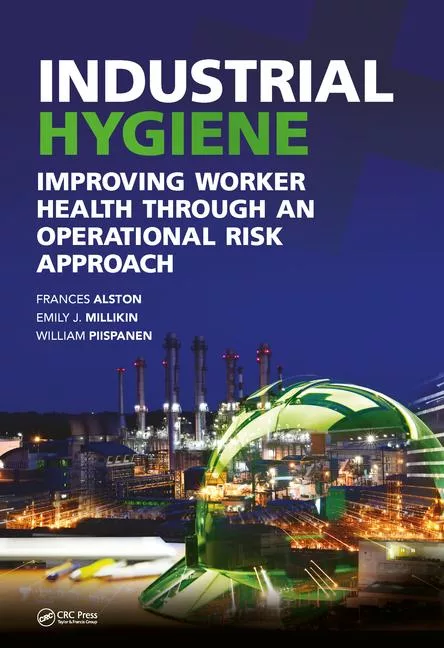
    Industrial Hygiene: Improving Worker Health through an Operational Risk Approach

See More Products

Related Directories

  • MSA - The Safety Co.

    WE KNOW WHAT'S AT STAKE. Unpredictable work environments are often part of the job. That's why it's critically important to have the right safety equipment at the moment it matters most. MSA's complete lines of safety solutions help protect those workers at the heart of your operation.
×

Become a Leader in Safety Culture

Build your knowledge with ISHN, covering key safety, health and industrial hygiene news, products, and trends.

JOIN TODAY
  • RESOURCES
    • Advertise
    • Contact Us
    • Directories
    • Manufacturing Division
    • Store
    • Want More
  • SIGN UP TODAY
    • Create Account
    • eMagazine
    • Newsletters
    • Customer Service
    • Manage Preferences
  • SERVICES
    • Marketing Services
    • Reprints
    • Market Research
    • List Rental
    • Survey/Respondent Access
  • STAY CONNECTED
    • LinkedIn
    • Facebook
    • YouTube
    • X (Twitter)
  • PRIVACY
    • PRIVACY POLICY
    • TERMS & CONDITIONS
    • DO NOT SELL MY PERSONAL INFORMATION
    • PRIVACY REQUEST
    • ACCESSIBILITY

Copyright ©2026. All Rights Reserved BNP Media, Inc. and BNP Media II, LLC.

Design, CMS, Hosting & Web Development :: ePublishing