ISHN logo
search
cart
facebook twitter linkedin youtube
  • Sign In
  • Create Account
  • Sign Out
  • My Account
ISHN logo
  • NEWS
    • Today's News
    • Global Safety News
    • Government Regulations
  • PRODUCTS
    • Product Innovations
    • Featured Products
  • TOPICS
    • Environmental Health and Safety
    • Facility Safety
    • Workplace Health
    • Occupational Safety
    • PPE
    • More Topics
  • CONSTRUCTION
  • TECHNOLOGY
  • COLUMNS
    • Best Practices
    • Dave Johnson: What’s going on
    • Editorial Comments
    • Leading Safety
  • MULTIMEDIA
    • ISHN Podcast
    • Videos
    • Cold Stress Education Quiz
    • Webinars
    • White Papers
  • MORE
    • Buyer's Guide
    • Newsletters
    • Convention Companion
    • Polls
    • Events
    • ISHN Store
    • Sponsor Insights
  • EMAGAZINE
    • eMagazine
    • Archived Issues
    • Contact
    • Advertise
  • JOIN TODAY!
Workplace Health

How to make your food safer in 2018
produce
January 11, 2018

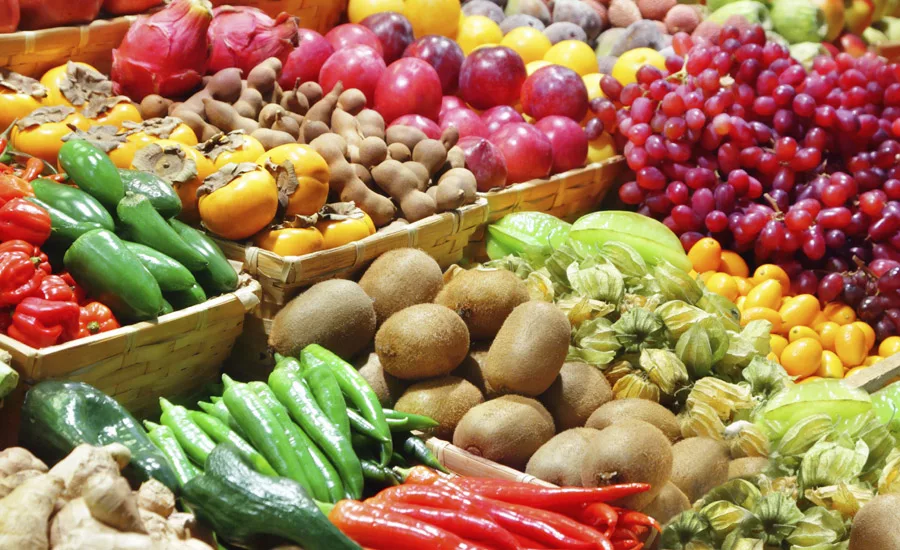
If you made a New Year’s resolution to improve your health by eating more produce, the folks at Stop Foodborne Illness have a few warnings for you. While a more plant-based diet can be very healthy, you still must be mindful about the risk of foodborne pathogens.

Recommendations:

  1. Wash your hands. As always, the best way to prevent the spread of dangerous bacteria is by properly washing hands for 20 seconds before handling food. Review these Quick Facts for Handwashing to learn more.
  2. Wash produce. Since raw diets eliminate cooking, which helps kill harmful bacteria, it is crucial to wash vegetables thoroughly, even if you plan to peel it before eating.
  3. Raw sprouts carry more risks. Although containing beneficial vitamins and minerals like iron, magnesium, potassium and vitamins C, A and K, sprouts are also prone to carrying pathogens. Salmonella, Listeria and E. coli—just like sprouts—need warm and humid conditions to grow . To reduce the risk of foodborne illness, cook sprouts when possible. Additionally, children, the elderly, pregnant women and others with weakened immune systems should avoid eating raw sprouts altogether. 

If you intend to cook at home more often, you should also keep these food safety guidelines in mind:

  1. Judging cooked meat by color cannot determine if it is safe to eat. The only way to determine if meat, poultry or seafood is cooked safely is to check the internal temperature with a meat thermometer. Check the thickest part of the meat, and sanitize the point in between readings. Learn more about why temperature is important and check out this helpful chart on safe cooking temperatures.
  2. Raw milk products are unpasteurized. Some claim the lack of processing means it’s more beneficial but the CDC states that the dangers of raw milk far outweigh any perceived benefits. Unpasteurized milk can contain a wide variety of germs including Brucella, Campylobacter, E. coli, Listeria, and Salmonella. Read more about the dangers of raw milk and raw milk cheeses.
  3. Keep raw and cooked foods separate. Designate specific cutting boards for specific types of food. And remember to clean and disinfect equipment and surfaces after preparing raw foods.
  4. Home-baked cookies are so much better! Eating the raw cookie dough, however, is not recommended. Raw eggs can contain Salmonella while flour, a raw agricultural product, typically hasn’t been treated to kill germs like E coli. While your cookies are baking in the oven, read more about the dangers of raw dough.
  5. Cold-pressed juice is another health practice climbing the ranks of popularity. While there is little to no evidence supporting the idea that raw juice is better, one thing is certain: since cold-pressed juice is unpasteurized, consumers can potentially develop a foodborne illness. Follow these two  simple steps to juice safety.

About Stop Foodborne Illness

Stop Foodborne Illness is a national nonprofit, public health organization dedicated to preventing illness and death from foodborne pathogens by promoting sound food safety policy and best practices, building public awareness, and assisting those impacted by foodborne illness. For more food safety tips please visit www.Stopfoodborneillness.org/awareness/. If you think you have been sickened from food, contact your local health professional. You may subscribe to receive Stop Foodborne Illness e-Alerts and eNews here: www.Stopfoodborneillness.org/take-action/sign-up-for-e-alerts/

KEYWORDS: food safety illness

Share This Story

Looking for a reprint of this article?
From high-res PDFs to custom plaques, order your copy today!

Recommended Content

JOIN TODAY
to unlock your recommendations.

Already have an account? Sign In

  • forklift safety

    Exploring the latest technologies in forklift safety

    With more staff and more stock in warehousing now more...
    Workplace Training Strategies
    By: Josh Cramer
  • welding

    All about welder’s flash or arc eye

    A flash burn is a painful inflammation of the cornea,...
    Environmental Health and Safety
  • dangerous jobs

    The 10 most dangerous jobs in the U.S.

    On-the-job deaths have been rising — hitting the highest...
    Occupational Safety
    By: Benita Mehta
Manage My Account
  • eMagazine Subscriptions
  • ISHN Newsletter & Other Newsletter Alerts
  • Online Registration
  • Manage My Preferences
  • Subscription Customer Service

More Videos

Sponsored Content

Sponsored Content is a special paid section where industry companies provide high quality, objective, non-commercial content around topics of interest to the ISHN audience. All Sponsored Content is supplied by the advertising company and any opinions expressed in this article are those of the author and not necessarily reflect the views of ISHN or its parent company, BNP Media. Interested in participating in our Sponsored Content section? Contact your local rep!

close
  • man wearing the the Sundström SR200 Full Face Mask Respirator
    Sponsored byOHD

    5 Fit Testing Mistakes That Could Cost You

  • This image shows Magid AcuSpex polarized blue mirrored safety glasses.
    Sponsored byMagid Glove and Safety

    Construction PPE Guide: What Crews Need for Each Task

  • lone worker in confined space
    Sponsored byAlphasense Ltd.

    GET THE LEAD OUT of your Safety Oxygen Sensors!

Popular Stories

SpaceX 7 launch

OSHA Investigating Fatal Fall at SpaceX Starbase

Worker Impairment

How to Tell When a Co-Worker is Impaired? A Safety Pro’s Challenge

Automated loading dock equipment

After March 2026 Rivian Death, Safety Managers Reassess Loading Dock Systems Under OSHA's Warehouse Emphasis Program

top 10 most dangerous jobs

Poll

Seasonal Readiness

With the federal heat stress prevention rule on the horizon, which area of your safety program needs the most attention?
View Results Poll Archive

Products

Surviving an OSHA Audit A Management Guide, 2nd Edition

Surviving an OSHA Audit A Management Guide, 2nd Edition

See More Products

ISHN Podcasts

Related Articles

  • Thanksgiving

    How to make your holiday recipes healthier

    See More
  • How to make your holidays – and beyond - healthier

    See More
  • How to make bicyclists safer on U.S. roadways

    See More

Related Products

See More Products
  • Top Ten Pitfalls in OSHA Recordkeeping and How to Avoid Them

See More Products

Related Directories

  • Safe Site Check In LLC

    Make Jobsite Management Easy(™). Safe Site Check In saves jobsite safety, super, project, and cost managers hours a day including: Digital badging, onboarding & training, Safety screening, Daily log creation Safety JSA, EAP, SDS Project management integration, Subcontractor management, Remote site monitoring, Worker profiles, Incident investigations.
×

Become a Leader in Safety Culture

Build your knowledge with ISHN, covering key safety, health and industrial hygiene news, products, and trends.

JOIN TODAY
  • RESOURCES
    • Advertise
    • Contact Us
    • Directories
    • Manufacturing Division
    • Store
    • Want More
  • SIGN UP TODAY
    • Create Account
    • eMagazine
    • Newsletters
    • Customer Service
    • Manage Preferences
  • SERVICES
    • Marketing Services
    • Reprints
    • Market Research
    • List Rental
    • Survey/Respondent Access
  • STAY CONNECTED
    • LinkedIn
    • Facebook
    • YouTube
    • X (Twitter)
  • PRIVACY
    • PRIVACY POLICY
    • TERMS & CONDITIONS
    • DO NOT SELL MY PERSONAL INFORMATION
    • PRIVACY REQUEST
    • ACCESSIBILITY

Copyright ©2026. All Rights Reserved BNP Media, Inc. and BNP Media II, LLC.

Design, CMS, Hosting & Web Development :: ePublishing