Protective clothing for extreme environments doesn’t have to be uncomfortable
No need to be miserable
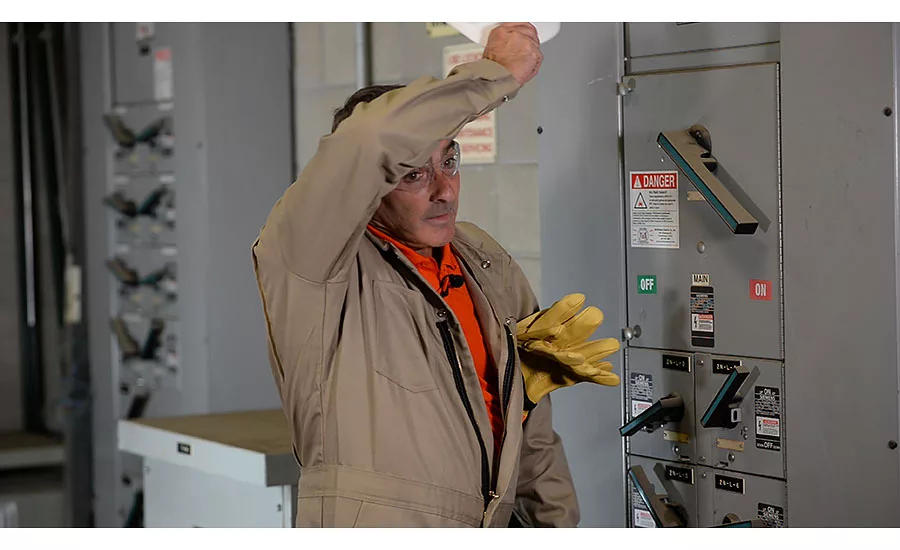
While protecting against a hazard is your first and most obvious concern when choosing protective clothing, it might be just as important to consider the environment. If workers are uncomfortable, they can be tempted to cut corners on safety. Workers who are too hot start loosening or even shedding their PPE. Workers who are too cold start adding additional layers of clothing that may negate the safety gear you’ve provided. But new technologies and designs can help you combat these problems by providing protective clothing with comfort in mind.
Cooling protection in hot environments
Some jobs need full body protection, no matter how hot the environment. Working with electricity, fire, chemicals, or any other substance or situation that might engulf a worker’s body requires clothing that can trap body heat and make people uncomfortable.
Craig Howell, a protective clothing expert, said that cooler coveralls were a common request from safety managers in various industries. “I had a safety manager at a major oil and gas company tell me that flash fire incidents were rare, maybe every four or five years. And while he was confident that the FR coveralls would do what they were intended to do, his workers were having heat stress issues every other day.” The manager was concerned not only about workers suffering from heat illness, but also that his people were less alert on the job due to overheating.
Hybrid garments
Howell and his team looked at these hot environments and determined that it was going to take more than ventilation to keep workers cooler. “Most of these situations aren’t very breezy,” he said, adding that a 110 degree breeze isn’t really going to help a worker stay cool anyway. That left the team asking if there was a way to release body heat.
The result was a new hybrid coverall with a knit panel on the back that releases body heat to lower the worker’s core temperature. Later designs added options for knit panels under the arms and down the outsides of the sleeves for workers who wear fall protection and can’t release heat through the back.
And if you’re wondering why not make the entire garment out of the knit panel fabric, Howell says it’s simply not durable enough to be practical.
Moisture wicking materials
Even workers who don’t have to wear a full-body garment can get overheated in their protective clothing. Cotton is practical in that it’s comfortable and inexpensive. But the material tends to trap both heat and moisture for a double-dose of discomfort. The advent of moisture-wicking protective fabrics have changed that as the material actually takes moisture off the skin, brings it to the surface, and allows it to evaporate, keeping the wearer cool and dry. Originally developed for the military and adopted for athletic wear, the technology has proven valuable for industrial workers too.
Partial mesh and aluminized garments
Some hazards only occur on one side of a worker’s body. Welding sparks and radiant heat are what the industry calls frontal hazards — meaning the worker faces the source but isn’t surrounded by it. This allows a great deal of flexibility in garments that cool from the back. So a welding jacket can have all the necessary protection on the front of the torso and around the arms, but have a mesh back to let heat escape. In a molten metal environment, protective chaps can have an aluminum coating fused to the front to reflect as much as 90 precent of heat instead of absorbing it.
Warming protection in cold environments
When it comes to protective clothing, warming up when it’s cold isn’t nearly as tricky as keeping cool in the heat. Howell said that most cold-weather PPE is about protecting workers from the elements. But he cautions that it’s important to understand the work when deciding what to wear.
“If you’re going to be sitting more than moving around, you want to layer up. Start with a T-shirt, jacket, coat, etc. But if you’re moving and working and you layer up in the wrong garments, you’re going to sweat like crazy and then get cold.” Instead, he says workers in cold outdoor environments like railroad or oil and gas in northern states need a base layer that’s made of the same moisture-wicking materials that workers in hot environments wear. So their sweat gets drawn away from their body instead of leaving them wet and cold.
It’s also important to pay attention to ease of motion. Bulky layers might keep your workers warm, but they can restrict movement and cause people to tire out much faster than one quality insulated jacket might.
Layers in electrical environments
Workers at risk of arc-flash events need to be sure every layer they wear is safe in an electrical accident. While FR and arc-flash-rated outerwear is a must in these situations, what goes underneath is just as important. A nylon t-shirt may help your workers to keep warm and let sweat evaporate, but it can melt into the skin in an arc-flash and cause life-threatening injuries. Howell stresses that an arc-rated base-layer should always be a last line of defense. Although some combinations of arc-rated clothing can together yield higher protection, precise levels can only be determined by lab testing.
Whatever your environment, workers don’t need to be miserable on the job. Whether hot or cold, look for protective clothing that shields them from job hazards, but keeps them even safer with compliance through comfort.
Looking for a reprint of this article?
From high-res PDFs to custom plaques, order your copy today!