Maximize care, maintenance and use of FR clothing
AR/FR PPE goes through daily wear and tear rigors. Here are keys to ensuring the longevity of your investment.
In creating an AR/FR personal protective equipment (PPE) program, you should dedicate a fair amount of time researching, selecting and sourcing quality garments to protect your employees. Time is spent on the front end to make sure that the proper garment is designed in order to comply with industry standards and provide acceptable wearer comfort.
Once the PPE is determined, there is still an ongoing need to ensure the program is serviced—and serviced correctly.
For example, an employee will put an AR/FR garment through the rigors of his or her daily routine, which means that it will likely become dirty and soiled over a period of time. Rather than diminish an investment through improper care, it is key to clearly understand and appropriately implement maintenance programs to increase the longevity of the clothing or PPE.
Below you will find frequently asked questions regarding the care and maintenance of AR/FR garments to maximize your investment, and the safety of your team.
What is the best way of cleaning AR/FR garments?
As a rule, most AR/FR garments can be washed in a home laundry or industrial laundry. Each fabric or garment manufacturer will provide recommended laundering instructions, which usually include a restriction on using bleach, fabric softeners and starch.
- Chlorine bleach can compromise the flame resistance of many cotton-rich FR/AR fabrics over time, and chlorine bleach-exposed garments should be removed from service.
- Fabric softeners and starch often contain flammable components that can build up on the FR fabric surface, which can compromise its flame resistance. If fabric softener or starch is accidentally used, re-launder the garment without these products and they will wash out.
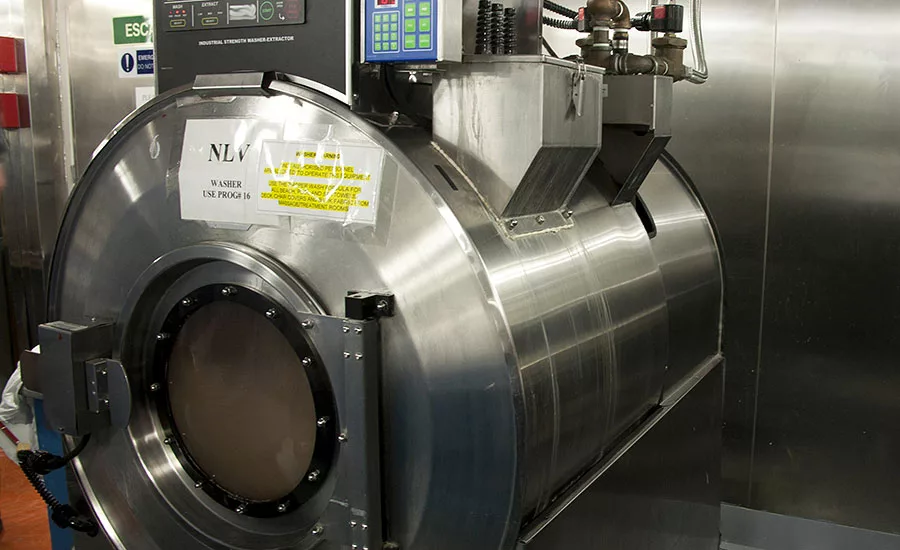
Deciding which laundering route to take is often dictated by the environment in which the garment is worn. Different processes, such as the industrial laundering (IL) process, may be better suited to removing tough grime or buildup versus general dust and dirt. It’s important to understand your work environment and select the care program that best suits your company.
Will flame resistant (FR) properties wear out over the course of garment use?
As with any garment, it is important to follow the care instructions to the letter, as protective performance can be impacted otherwise. Typically though, and especially when you are sourcing a trusted, branded AR/FR fabric, the flame-resistant properties remain for the life of the garment.
Most market-proven FR fabrics in the U.S. are engineered fabrics where FR properties are incorporated within the fabric structure instead of applied as a coating that could wear off. There is no “washing” or “wearing” out a garment’s AR/FR properties in most instances, so if the garment is cared for properly, serviceable and intact, the performance is the same on day one or day 1,001.
If FR properties will not wear out over time, when does a garment need to be replaced?
Judgment is an important part of making this decision. While the AR/FR properties do remain intact for the life of a properly cared for garment when using a reputable fabric brand, if the garment has shrunk or shows signs of physical wear and tear, its protective attributes have likely been compromised.
It’s considered best practice to retire a garment when there are wearing spots, holes or tears, unless the garment can be properly repaired with like AR/FR fabric and FR thread to comply with the relevant ASTM care and maintenance standards.
Can you wash AR/FR garments with other garments?
It is recommended as a best practice that you wash AR/FR garments with other AR/FR garments according to manufacturer care procedures.
If my AR/FR garment has a stain or odor, is it still safe to wear?
Garments can be stained without impacting their AR/FR properties. Simply wash the garment according to manufacturer guidelines to remove the stain. If the stain cannot be removed, depending on size and composition of the stain, judgment must be used on determining the garment’s wearability.
If you notice that a garment is retaining an odor even after being washed, it’s recommended that you review the care process against what the manufacturer recommended. Any garment still carrying a lingering odor may need to be replaced.
My garment was involved in a short-duration thermal exposure. Can I continue using the garment?
Once a garment is involved in a short-duration thermal exposure like an arc flash or flash fire, it should be replaced with a new garment. The incident does alter the AR/FR protection, as the garment may have been compromised in the exposure.
Are there special considerations for repairing or patching AR/FR garments?
When patching an AR/FR garment, it’s important to use the same AR/FR fabric. If you need to replace a button or sew a button back on, be sure to use only FR thread and high-temperature melamine buttons.
As a rule, you should not use bleach or starch or fabric softener. Are there any other solutions you should stay away from?
Insect repellent, especially those using DEET, are highly flammable and can compromise the AR/FR protection of a garment. Special care should be taken to spray insect repellent directly on the skin and not onto the garment.
In addition, special laundry additives should be avoided, such as the popular anti-static, wrinkle-free dryer sheets.
When crafting your own care program, we encourage you to review the manufacturer instructions and consider your working environment to fully tailor a plan to your situation.
Looking for a reprint of this article?
From high-res PDFs to custom plaques, order your copy today!