ISHN logo
search
cart
facebook twitter linkedin youtube
  • Sign In
  • Create Account
  • Sign Out
  • My Account
ISHN logo
  • NEWS
    • Today's News
    • Global Safety News
    • Government Regulations
  • PRODUCTS
    • Product Innovations
    • Featured Products
  • TOPICS
    • Environmental Health and Safety
    • Facility Safety
    • Workplace Health
    • Occupational Safety
    • PPE
    • More Topics
  • CONSTRUCTION
  • TECHNOLOGY
  • COLUMNS
    • Best Practices
    • Dave Johnson: What’s going on
    • Editorial Comments
    • Leading Safety
  • MULTIMEDIA
    • ISHN Podcast
    • Videos
    • Cold Stress Education Quiz
    • Webinars
    • White Papers
  • MORE
    • Buyer's Guide
    • Newsletters
    • Convention Companion
    • Polls
    • Events
    • ISHN Store
    • Sponsor Insights
  • EMAGAZINE
    • eMagazine
    • Archived Issues
    • Contact
    • Advertise
  • JOIN TODAY!
Workplace Health

Pool chem injuries cause 4K+ emergency department visits a year

Kids, teens at special risk

May 21, 2019

Pool chemical injuries led to an estimated 4,535 U.S. emergency department visits annually during 2008-2017, according to a report published in CDC’s Morbidity and Mortality Weekly Report.

Although injuries from pool chemicals are preventable, the number of serious injuries from these chemicals has not changed much in the last 15 years. The thousands of emergency department visits underscore the need to raise awareness about safely handling pool chemicals.

Inhaling chemicals causes the most common injury

CDC examined data on emergency department visits due to pool chemical injuries during 2015- 2017. The top diagnosis was poisoning due to breathing in chemical fumes, vapors, or gases—for example, when opening chlorine containers.

Additional findings:

  • Over one-third of these preventable injuries were in children or teens (36%)
  • Over half of pool chemical injuries occurred at a home (56%)
  • About two-thirds of pool chemical injuries occurred during the summer swim season (Memorial Day weekend through Labor Day) (65%)

Safety starts with pool owners and operators

Pool chemicals, like chlorine, protect swimmers from the spread of germs and prevent outbreaks linked to pools and water playgrounds. If you own a pool or operate a public pool (for example, at a hotel, waterpark, or community center), take the following steps to prevent pool chemical injuries:

  • Read and follow directions on pool chemical product labels.
  • Wear safety equipment, such as respirators or googles, when handling pool chemicals. Check product labels for directions on what to wear.
  • Keep pool chemicals out of reach of children, teens, and animals (including pets).
  • Never mix different pool chemicals with each other. It is particularly dangerous to mix chlorine and acid.
  • If you operate a public pool, complete the operator training that includes pool chemical safety. Conduct pool chemical safety training for all staff that handle chemicals.

Michele Hlavsa, RN, MPH, CDC’s Healthy Swimming Program

“Summer is a great time to enjoy the pool with friends and loved ones. We all share the water we swim in and can help maintain the right mix of chemicals in the pool. Share the fun, not the pee, sweat, and dirt.”

Swimmers should keep pee, sweat, and dirt out of the pool

When pee, poop, sweat, and dirt from our bodies get into the pool water, they react with chlorine. This reaction decreases the amount of free chlorine available to kill germs and creates chemicals that make eyes red and itchy.

Swimmers and parents of young swimmers can help keep the mix of chemicals in the water healthy and safe by taking a few simple, effective steps:

  • Shower for at least 1 minute before you get into the water. This will remove most of the dirt or anything else on your body.
  • Never pee or poop in the water.
  • Take kids on bathroom breaks and check diapers every hour. Change diapers in a bathroom or diaper changing area.

Healthy and Safe Swimming Week

Healthy and Safe Swimming Week begins on May 20. For more information on healthy and safe swimming tips, visit www.cdc.gov/healthyswimming.

KEYWORDS: public health public safety

Share This Story

Looking for a reprint of this article?
From high-res PDFs to custom plaques, order your copy today!

Recommended Content

JOIN TODAY
to unlock your recommendations.

Already have an account? Sign In

  • forklift safety

    Exploring the latest technologies in forklift safety

    With more staff and more stock in warehousing now more...
    Workplace Training Strategies
    By: Josh Cramer
  • welding

    All about welder’s flash or arc eye

    A flash burn is a painful inflammation of the cornea,...
    Environmental Health and Safety
  • dangerous jobs

    The 10 most dangerous jobs in the U.S.

    On-the-job deaths have been rising — hitting the highest...
    Government Safety Regulations
    By: Benita Mehta
Manage My Account
  • eMagazine Subscriptions
  • ISHN Newsletter & Other Newsletter Alerts
  • Online Registration
  • Manage My Preferences
  • Subscription Customer Service

More Videos

Sponsored Content

Sponsored Content is a special paid section where industry companies provide high quality, objective, non-commercial content around topics of interest to the ISHN audience. All Sponsored Content is supplied by the advertising company and any opinions expressed in this article are those of the author and not necessarily reflect the views of ISHN or its parent company, BNP Media. Interested in participating in our Sponsored Content section? Contact your local rep!

close
  • man wearing the the Sundström SR200 Full Face Mask Respirator
    Sponsored byOHD

    5 Fit Testing Mistakes That Could Cost You

  • This image shows Magid AcuSpex polarized blue mirrored safety glasses.
    Sponsored byMagid Glove and Safety

    Construction PPE Guide: What Crews Need for Each Task

  • lone worker in confined space
    Sponsored byAlphasense Ltd.

    GET THE LEAD OUT of your Safety Oxygen Sensors!

Popular Stories

SpaceX 7 launch

OSHA Investigating Fatal Fall at SpaceX Starbase

dust explosion

Tennessee OSHA Issues Record $3.1M Fine After Deadly Explosion at Munitions Plant

Worker Impairment

How to Tell When a Co-Worker is Impaired? A Safety Pro’s Challenge

top 10 most dangerous jobs

Poll

Seasonal Readiness

With the federal heat stress prevention rule on the horizon, which area of your safety program needs the most attention?
View Results Poll Archive

Products

Surviving an OSHA Audit A Management Guide, 2nd Edition

Surviving an OSHA Audit A Management Guide, 2nd Edition

See More Products

ISHN Podcasts

Related Articles

  • High-rise fires cause quarter billion dollars of property damage a year

    See More
  • Global tally: a million people suffer from work-related injuries, illnesses a year

    See More
  • Child injuries on U.S. farms cost $1.4 billion a year

    See More

Related Products

See More Products
  • 9781138749573.jpg

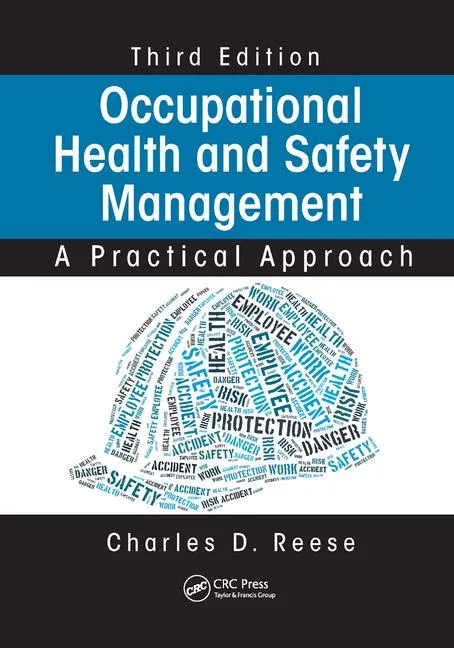
    Occupational Health and Safety Management: A Practical Approach, Third Edition

See More Products
×

Become a Leader in Safety Culture

Build your knowledge with ISHN, covering key safety, health and industrial hygiene news, products, and trends.

JOIN TODAY
  • RESOURCES
    • Advertise
    • Contact Us
    • Directories
    • Manufacturing Division
    • Store
    • Want More
  • SIGN UP TODAY
    • Create Account
    • eMagazine
    • Newsletters
    • Customer Service
    • Manage Preferences
  • SERVICES
    • Marketing Services
    • Reprints
    • Market Research
    • List Rental
    • Survey/Respondent Access
  • STAY CONNECTED
    • LinkedIn
    • Facebook
    • YouTube
    • X (Twitter)
  • PRIVACY
    • PRIVACY POLICY
    • TERMS & CONDITIONS
    • DO NOT SELL MY PERSONAL INFORMATION
    • PRIVACY REQUEST
    • ACCESSIBILITY

Copyright ©2026. All Rights Reserved BNP Media, Inc. and BNP Media II, LLC.

Design, CMS, Hosting & Web Development :: ePublishing