ISHN logo
search
cart
facebook twitter linkedin youtube
  • Sign In
  • Create Account
  • Sign Out
  • My Account
ISHN logo
  • NEWS
    • Today's News
    • Global Safety News
    • Government Regulations
  • PRODUCTS
    • Product Innovations
    • Featured Products
  • TOPICS
    • Environmental Health and Safety
    • Facility Safety
    • Workplace Health
    • Occupational Safety
    • PPE
    • More Topics
  • CONSTRUCTION
  • TECHNOLOGY
  • COLUMNS
    • Best Practices
    • Dave Johnson: What’s going on
    • Editorial Comments
    • Leading Safety
  • MULTIMEDIA
    • ISHN Podcast
    • Videos
    • Cold Stress Education Quiz
    • Webinars
    • White Papers
  • MORE
    • Buyer's Guide
    • Newsletters
    • Convention Companion
    • Polls
    • Events
    • ISHN Store
    • Sponsor Insights
  • EMAGAZINE
    • eMagazine
    • Archived Issues
    • Contact
    • Advertise
  • JOIN TODAY!
Occupational SafetyEnvironmental Health and SafetyIndustrial HygieneSafety & Health Best Practices Workplace Health

A NIOSH Science Blog post

Occupational exposure banding and workplace chemicals

By Thomas J. Lentz PhD, Melissa Seaton MS
October 28, 2019

For workers in a variety of industries, exposure to chemicals is commonplace. American workers handle, transport, or encounter thousands of chemicals every day, from cleaning products to industrial solvents. Although many of these chemicals have important uses, they can also be harmful to workers who are exposed to them.

Occupational exposure limits (OELs) are developed for hazardous chemicals to reduce the risk of adverse health effects for workers with potential exposures. Unfortunately, of the more than 85,000 chemicals manufactured, processed, or imported in the United States, only about 1,000 have an OEL. Likewise, the rate at which new chemicals are introduced into commerce significantly outpaces the rate at which new OELs are established. As a result, workers may not be adequately protected from many chemical exposures. To address this problem, NIOSH recently released a report on occupational exposure banding as a tool to assess chemical hazards in the workplace.

Occupational exposure banding is a voluntary process used to evaluate chemicals that have not been assigned an OEL. Users of the NIOSH occupational exposure banding process follow a detailed methodology to assign chemicals to one of five occupational exposure bands (OEBs). Intended users include public health agencies, practicing occupational health and safety professionals, employers, trade associations, labor organizations, and state-level programs who may share an interest in protecting workers from occupational exposures, in­juries, and illnesses.

Banding assignments reflect the potency of the chemical and the nature of the health effects associated with exposure. OEBs range from band A (least potent/reversible health effects) to band E (most potent/serious or irreversible health effects). Each OEB is associated with a range of exposure concentrations that can be used to target occupational control strategies.

The National Institute for Occupational Safety and Health (NIOSH) occupational exposure banding technical report lays out detailed instructions for assigning OEBs. Users collect easy-to-access hazard data from several publicly accessible databases. Qualitative and quantitative data are then compared to the NIOSH occupational exposure banding criteria to determine the appropriate band. The guidance provides enough detail for users to calculate OEBs by hand, but the process can be partially automated through the accompanying Occupational Exposure Banding e-Tool.

The e-Tool serves as a supplementary application that provides users with an automated means of linking to publicly available databases, collecting toxicological data, and calculating the OEB. Stakeholders and experts provided feedback to help NIOSH develop the banding strategy and e-Tool as a way to use knowledge about toxicology and risk assessment to inform risk management decisions.

NIOSH recognizes the need for updated, accurate, authoritative OELs for workplace chemicals. However, for the thousands of chemicals that have yet to be assigned an OEL, NIOSH believes that occupational exposure banding is a practical tool to guide risk management. To learn more, please visit the NIOSH Occupational Exposure Banding webpage. NIOSH would welcome feedback and suggestions from those who have used the occupational exposure banding process and the e-Tool. Additionally, you may click here to visit this blog post on the NIOSH website and leave comments below it.

KEYWORDS: OELs

Share This Story

Looking for a reprint of this article?
From high-res PDFs to custom plaques, order your copy today!

Thomas J. Lentz, PhD, is Chief of the Science Application Branch in the NIOSH Division of Science Integration.
Melissa Seaton, MS, is an Industrial Hygienist in the Science Application Branch in the NIOSH Division of Science Integration.

Recommended Content

JOIN TODAY
to unlock your recommendations.

Already have an account? Sign In

  • forklift safety

    Exploring the latest technologies in forklift safety

    With more staff and more stock in warehousing now more...
    Facility Safety
    By: Josh Cramer
  • welding

    All about welder’s flash or arc eye

    A flash burn is a painful inflammation of the cornea,...
    Environmental Health and Safety
  • dangerous jobs

    The 10 most dangerous jobs in the U.S.

    On-the-job deaths have been rising — hitting the highest...
    Construction Industry Safety and Health
    By: Benita Mehta
Manage My Account
  • eMagazine Subscriptions
  • ISHN Newsletter & Other Newsletter Alerts
  • Online Registration
  • Manage My Preferences
  • Subscription Customer Service

More Videos

Sponsored Content

Sponsored Content is a special paid section where industry companies provide high quality, objective, non-commercial content around topics of interest to the ISHN audience. All Sponsored Content is supplied by the advertising company and any opinions expressed in this article are those of the author and not necessarily reflect the views of ISHN or its parent company, BNP Media. Interested in participating in our Sponsored Content section? Contact your local rep!

close
  • man wearing the the Sundström SR200 Full Face Mask Respirator
    Sponsored byOHD

    5 Fit Testing Mistakes That Could Cost You

  • This image shows Magid AcuSpex polarized blue mirrored safety glasses.
    Sponsored byMagid Glove and Safety

    Construction PPE Guide: What Crews Need for Each Task

  • lone worker in confined space
    Sponsored byAlphasense Ltd.

    GET THE LEAD OUT of your Safety Oxygen Sensors!

Popular Stories

SpaceX 7 launch

OSHA Investigating Fatal Fall at SpaceX Starbase

Worker Impairment

How to Tell When a Co-Worker is Impaired? A Safety Pro’s Challenge

psychology in the workplace

Most Workplaces Measure Psychological Safety, Ignoring Psychosocial Risks

top 10 most dangerous jobs

Poll

Seasonal Readiness

With the federal heat stress prevention rule on the horizon, which area of your safety program needs the most attention?
View Results Poll Archive

Products

Surviving an OSHA Audit A Management Guide, 2nd Edition

Surviving an OSHA Audit A Management Guide, 2nd Edition

See More Products

ISHN Podcasts

Related Articles

  • Using occupational exposure banding to assess chemicals hazards in the workplace

    See More
  • NIOSH occupational exposure banding process moves forward

    See More
  • NIOSH speaker discusses Occupational Exposure Banding

    See More

Related Products

See More Products
  • 9781138749573.jpg

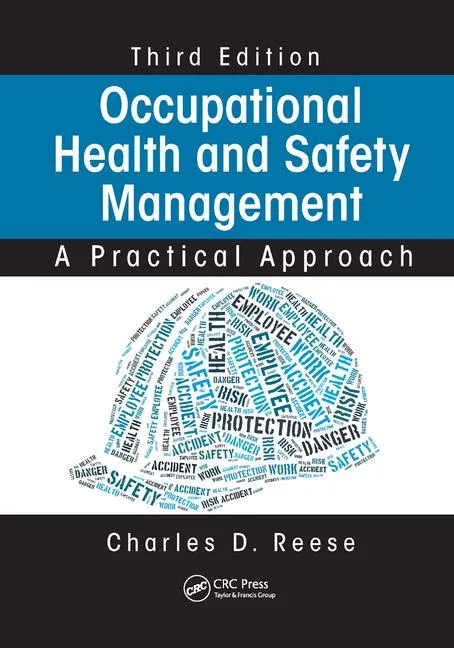
    Occupational Health and Safety Management: A Practical Approach, Third Edition

  • occup safety.jpg

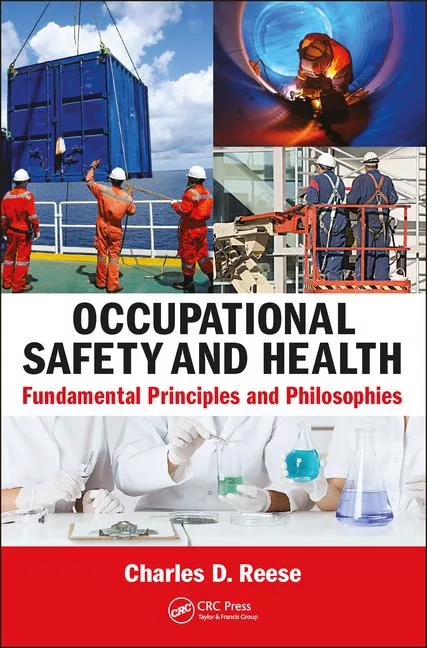
    Occupational Safety and Health: Fundamental Principles and Philosophies

  • global.jpg

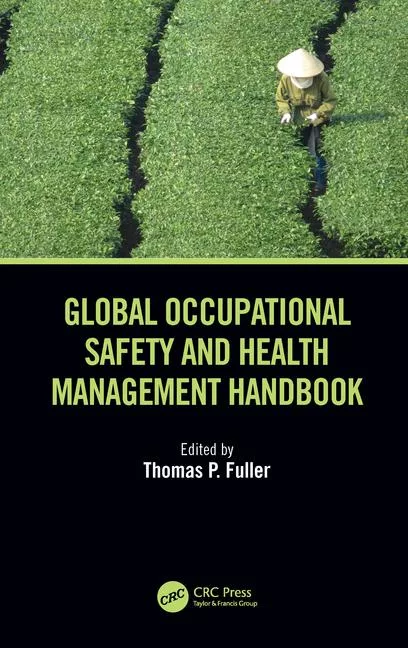
    Global Occupational Safety and Health Management Handbook

See More Products
×

Become a Leader in Safety Culture

Build your knowledge with ISHN, covering key safety, health and industrial hygiene news, products, and trends.

JOIN TODAY
  • RESOURCES
    • Advertise
    • Contact Us
    • Directories
    • Manufacturing Division
    • Store
    • Want More
  • SIGN UP TODAY
    • Create Account
    • eMagazine
    • Newsletters
    • Customer Service
    • Manage Preferences
  • SERVICES
    • Marketing Services
    • Reprints
    • Market Research
    • List Rental
    • Survey/Respondent Access
  • STAY CONNECTED
    • LinkedIn
    • Facebook
    • YouTube
    • X (Twitter)
  • PRIVACY
    • PRIVACY POLICY
    • TERMS & CONDITIONS
    • DO NOT SELL MY PERSONAL INFORMATION
    • PRIVACY REQUEST
    • ACCESSIBILITY

Copyright ©2026. All Rights Reserved BNP Media, Inc. and BNP Media II, LLC.

Design, CMS, Hosting & Web Development :: ePublishing