ISHN logo
search
cart
facebook twitter linkedin youtube
  • Sign In
  • Create Account
  • Sign Out
  • My Account
ISHN logo
  • NEWS
    • Today's News
    • Global Safety News
    • Government Regulations
  • PRODUCTS
    • Product Innovations
    • Featured Products
  • TOPICS
    • Environmental Health and Safety
    • Facility Safety
    • Workplace Health
    • Occupational Safety
    • PPE
    • More Topics
  • CONSTRUCTION
  • TECHNOLOGY
  • COLUMNS
    • Best Practices
    • Dave Johnson: What’s going on
    • Editorial Comments
    • Leading Safety
  • MULTIMEDIA
    • ISHN Podcast
    • Videos
    • Cold Stress Education Quiz
    • Webinars
    • White Papers
  • MORE
    • Buyer's Guide
    • Newsletters
    • Convention Companion
    • Polls
    • Events
    • ISHN Store
    • Sponsor Insights
  • EMAGAZINE
    • eMagazine
    • Archived Issues
    • Contact
    • Advertise
  • JOIN TODAY!
Today's Safety NewsOccupational SafetyFacility SafetyTransportation SafetyWorkplace Training Strategies

How to avoid load dock injury in the warehouse
By Emily Newton
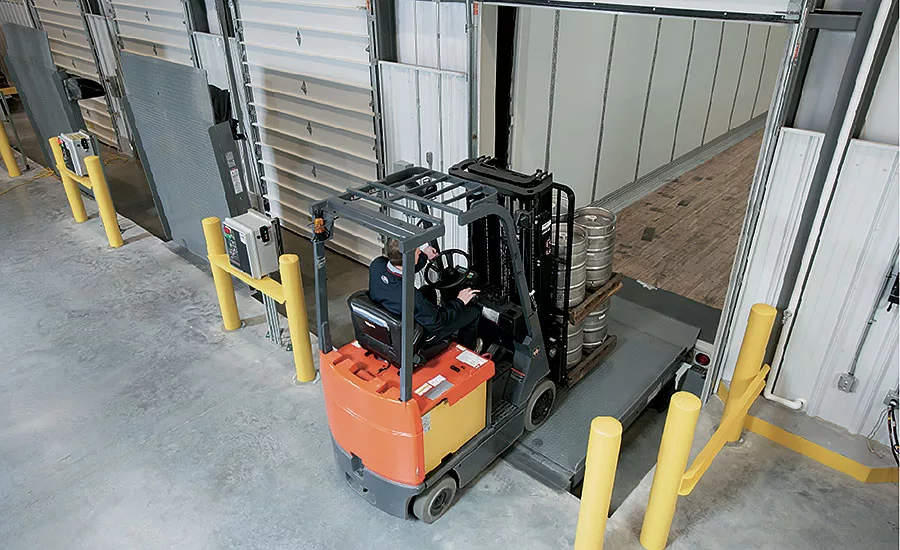
Automated loading dock equipment

Credit: LongHa2006 / Getty Images Plus

April 22, 2021

The combination of large vehicles, heavy machinery, uneven terrain and large loads make the loading dock dangerous for warehouse workers of all kinds. Dockworkers, truck drivers and employees that work elsewhere in the facility must exercise caution when in this area.

Around one-quarter of all warehouse injuries happen on the loading dock. Even with good warehouse safety practices, you’ll need a plan that manages the specific risks that come with this aspect of the job.

The right combination of loading dock safety strategies can go a long way in preventing injuries and keeping a facility’s dockworkers safe.


Common causes of load dock injury

  • Slips due to wet, slick or oily surfaces
  • Falls from and around the dock edge
  • Injury from forklifts or other warehouse equipment — for example, an employee is caught by a forklift’s rear swing
  • Trauma from delivery trucks
  • Musculoskeletal injuries (MSIs)


Mitigating these risks is the best way to prevent injuries on and around the loading dock.

In general, practices that make a warehouse safer will also help you reduce dock injuries. For example, teaching employees how to lift heavy boxes will help keep them from developing MSIs, whether working in the warehouse or on the dock.

However, warehouse safety training that also covers risks specific to the dock is also necessary. When developing or reviewing your curriculum, you should make sure it covers dock safety and potential loading dock hazards.

For example, a portion of the training may cover the hazards of working around large delivery trucks — and how mistakes like misplaced or loose vehicle restraints can lead to serious injury. Another might cover the risks of dock jumping.

Employees operating heavy machinery, like forklifts, should also be aware of the safety risks they can pose around the dock. There may be accidents in tight spaces or near ledges or hazards when backing up to the edge.


Improving dock safety with equipment

Safety equipment and simple upgrades to a dock can also make a major difference. For example, warehouse workers can fall due to a slippery surface, a lack of visual indicators that mark the edge or faulty equipment, like an unsecured dock plate.

Safety mats can help prevent falls by reducing the potential for slips due to the buildup of moisture or oil. Combined with regular cleaning of spills, these mats can help keep workers from falling. High-visibility tape, signage and other safety markings can make the edge of the dock clearer, reducing the risk that a worker doesn’t notice it.

More advanced safety solutions, like a restraint system that lets dock workers know when a vehicle isn’t secure, can provide additional protection.


Other safety considerations for warehouse managers

Winter weather and rain can also pose challenges for warehouses. These elements can lead to slippery surfaces that may cause falls and accidents involving forklifts and lift trucks. The reduced visibility that can come with shorter days and cloudy skies may also make the dock a more hazardous working environment.

To reduce the safety risks that winter weather and the elements can cause, try to minimize the amount of time dock doors are open. Equipment like safety mats, rain shrouds and air curtains can help reduce the potential for slips, falls and similar accidents.

Some warehouse safety managers also invest in fans that can keep moisture from building up or freezing on dock walkways.

If one or more loading docks in your warehouse are enclosed, you should also consider the risk for carbon monoxide poisoning. This gas can build up quickly and lead to headaches, dizziness, and sickness of death. Carbon monoxide poisoning is a major risk around docks due to the combination of exhaust from heavy machinery and large delivery trucks.

Building ventilation is key in keeping workers safe. Awareness of the signs of carbon monoxide poisoning will also be essential.

Regular maintenance of lift trucks and similar equipment can help keep their carbon monoxide emissions low or more manageable. Certain fuel additives and parts that manage a machine’s fuel/air ratio can also help.

In areas where carbon monoxide buildup is a concern, like poorly ventilated docks, the installation and maintenance of detectors can provide another valuable safeguard.


Preventing injury on and around load docks

Load docks are a common site for warehouse injury — and even if a warehouse has good general safety practices, certain risks may be overlooked. That’s why it’s vital to conduct regular safety inspections and ensure all workers are following protocol.

Preventing load dock injuries is possible with the right combination of practices and equipment. Awareness of common issues — like falls, slips and equipment accidents — can help any warehouse safety manager adopt the tools they need to keep workers safe.

KEYWORDS: loading dock equipment loading dock safety warehouse safety

Share This Story

Looking for a reprint of this article?
From high-res PDFs to custom plaques, order your copy today!

Emily newton

Emily Newton is the Editor-in-Chief of Revolutionized, an online magazine celebrating innovations in the industrial sector. Subscribe to our newsletter for industry updates.

Recommended Content

JOIN TODAY
to unlock your recommendations.

Already have an account? Sign In

  • forklift safety

    Exploring the latest technologies in forklift safety

    With more staff and more stock in warehousing now more...
    Workplace Training Strategies
    By: Josh Cramer
  • welding

    All about welder’s flash or arc eye

    A flash burn is a painful inflammation of the cornea,...
    Environmental Health and Safety
  • dangerous jobs

    The 10 most dangerous jobs in the U.S.

    On-the-job deaths have been rising — hitting the highest...
    Occupational Safety
    By: Benita Mehta
Manage My Account
  • eMagazine Subscriptions
  • ISHN Newsletter & Other Newsletter Alerts
  • Online Registration
  • Manage My Preferences
  • Subscription Customer Service

More Videos

Sponsored Content

Sponsored Content is a special paid section where industry companies provide high quality, objective, non-commercial content around topics of interest to the ISHN audience. All Sponsored Content is supplied by the advertising company and any opinions expressed in this article are those of the author and not necessarily reflect the views of ISHN or its parent company, BNP Media. Interested in participating in our Sponsored Content section? Contact your local rep!

close
  • man wearing the the Sundström SR200 Full Face Mask Respirator
    Sponsored byOHD

    5 Fit Testing Mistakes That Could Cost You

  • This image shows Magid AcuSpex polarized blue mirrored safety glasses.
    Sponsored byMagid Glove and Safety

    Construction PPE Guide: What Crews Need for Each Task

  • lone worker in confined space
    Sponsored byAlphasense Ltd.

    GET THE LEAD OUT of your Safety Oxygen Sensors!

Popular Stories

SpaceX 7 launch

OSHA Investigating Fatal Fall at SpaceX Starbase

Automated loading dock equipment

After March 2026 Rivian Death, Safety Managers Reassess Loading Dock Systems Under OSHA's Warehouse Emphasis Program

psychology in the workplace

Most Workplaces Measure Psychological Safety, Ignoring Psychosocial Risks

top 10 most dangerous jobs

Poll

Seasonal Readiness

With the federal heat stress prevention rule on the horizon, which area of your safety program needs the most attention?
View Results Poll Archive

Products

Surviving an OSHA Audit A Management Guide, 2nd Edition

Surviving an OSHA Audit A Management Guide, 2nd Edition

See More Products

ISHN Podcasts

Related Articles

  • How to avoid electrical shock in the home

    See More
  • MANAGING BEST PRACTICES: In hard times... Here's how to avoid the axe

    See More
  • smartglasses

    Using smartglasses in the warehouse has safety implications

    See More

Related Products

See More Products
  • Top Ten Pitfalls in OSHA Recordkeeping and How to Avoid Them

  • fearless world.jpg

    The Fearless World of Professional Safety in the 21st Century

See More Products

Related Directories

  • The Back School

    The Back School facilitates reducing work-related injuries; increasing employee productivity, safety, efficiency and job satisfaction; and reducing absenteeism.
×

Become a Leader in Safety Culture

Build your knowledge with ISHN, covering key safety, health and industrial hygiene news, products, and trends.

JOIN TODAY
  • RESOURCES
    • Advertise
    • Contact Us
    • Directories
    • Manufacturing Division
    • Store
    • Want More
  • SIGN UP TODAY
    • Create Account
    • eMagazine
    • Newsletters
    • Customer Service
    • Manage Preferences
  • SERVICES
    • Marketing Services
    • Reprints
    • Market Research
    • List Rental
    • Survey/Respondent Access
  • STAY CONNECTED
    • LinkedIn
    • Facebook
    • YouTube
    • X (Twitter)
  • PRIVACY
    • PRIVACY POLICY
    • TERMS & CONDITIONS
    • DO NOT SELL MY PERSONAL INFORMATION
    • PRIVACY REQUEST
    • ACCESSIBILITY

Copyright ©2026. All Rights Reserved BNP Media, Inc. and BNP Media II, LLC.

Design, CMS, Hosting & Web Development :: ePublishing