ISHN logo
search
cart
facebook twitter linkedin youtube
  • Sign In
  • Create Account
  • Sign Out
  • My Account
ISHN logo
  • NEWS
    • Today's News
    • Global Safety News
    • Government Regulations
  • PRODUCTS
    • Product Innovations
    • Featured Products
  • TOPICS
    • Environmental Health and Safety
    • Facility Safety
    • Workplace Health
    • Occupational Safety
    • PPE
    • More Topics
  • CONSTRUCTION
  • TECHNOLOGY
  • COLUMNS
    • Best Practices
    • Dave Johnson: What’s going on
    • Editorial Comments
    • Leading Safety
  • MULTIMEDIA
    • ISHN Podcast
    • Videos
    • Cold Stress Education Quiz
    • Webinars
    • White Papers
  • MORE
    • Buyer's Guide
    • Newsletters
    • Convention Companion
    • Polls
    • Events
    • ISHN Store
    • Sponsor Insights
  • EMAGAZINE
    • eMagazine
    • Archived Issues
    • Contact
    • Advertise
  • JOIN TODAY!
Safety Product InnovationsOccupational SafetyPPESafety TechnologyConstruction Industry Safety and Health

Bending and lifting can eventually add up to be a very expensive problem
By Matthew Marino, PT, MSPT, CPE
Herowear
July 15, 2021

America has a serious back pain problem – and it’s not just caused by heavy lifting.

Damage done to the back from common motions like bending and twisting can build up over time, especially for workers in active, physically demanding jobs like logistics, construction, and agriculture. The cumulative pounding of these movements can increase the risk of workers getting chronic back pain, or work-related musculoskeletal disorders (WMSDs).

More than 50 million adults in America suffer chronic back pain and the financial and physical toll it comes with is staggering:

Americans lose 264 million days of work a year because of back pain

Total costs for back pain in America exceed $100 billion per year

Many people know from personal experience that prolonged bending, twisting, and lifting can cause an achy back. However, chronic back pain not only prevents people from doing their job, it can also keep them from doing things they enjoy away from work.

But why are seemingly normal movements like bending and twisting so bad for your back?


The science behind back pain

The back functions like a lever (you know, like a see-saw) and the spine works as the fulcrum: your body weight and anything you’re holding are on one side, and your lower back muscles are on the other.

Even when you’re standing upright, muscles on the back pull downward to keep the front of your body upright for stability.

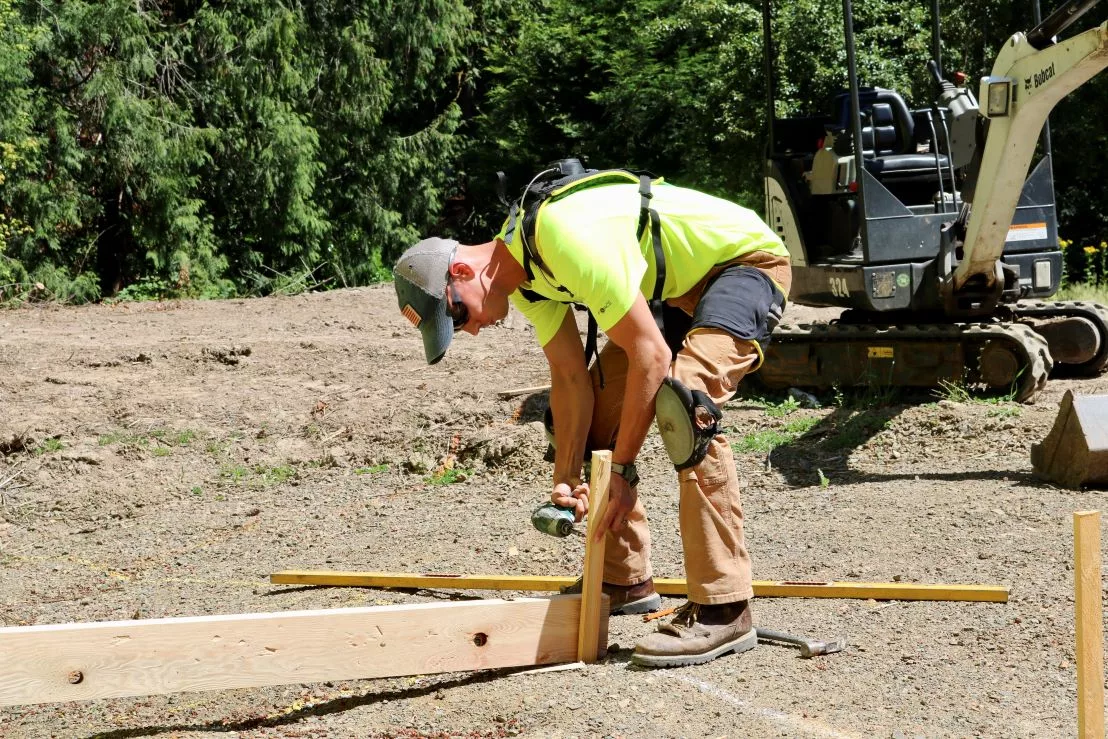
When you bend forward (even a couple of inches), muscles all along your back and legs engage and pull on your upper body with about 100 pounds of force so you don’t fall forward. Again, that’s slightly bending forward holding no extra weight.

When you bend all the way down to pick up a bag of dog food off a pallet, for example, there’s often 300-500 pounds of force pulling on the muscles and ligaments in the lower back.

Considering how much bending and lifting active workers do every day, it’s no wonder that back pain is so prevalent.


No, back pain is not the problem

Back pain is the result of the problem – not the problem itself. The actual problem is the strain, fatigue, and wear and tear from the frequent forces and awkward postures that the spine endures while performing these necessary movements.

So no, back pain is not only caused simply by heavy lifting.

While there definitely are sudden back injuries that occur from heavy lifting, movements like bending also play a major role in the chronic back pain crisis that plagues American workers.

But what can we do about it?


Finding strategies to fix the problem

There are strategies for addressing back pain in the workplace that are either:

Reactive measures (e.g. surgery, opioids, ibuprofen, physical therapy, massage therapy, hot packs, ice, etc.)

Unrealistic measures (e.g. having workers use perfect body mechanics every time across)

Proven to be ineffective measures for injury prevention (e.g. back belts)

Safe bending and lifting techniques or warming up before work do help and reactive interventions must be taken when injuries happen. Trying to prevent injuries and caring for people after they suffer a back injury should be part of any safety program.

However, we must strive to find ways that are better than simply helping a little bit or when it’s already too late. That’s especially true since previous injuries are an important factor in predicting a future injury – lower back injuries included.

The best strategy? Address back injuries before they happen.


New tools like exosuits can tackle old problems

Companies big and small across the globe have already embraced exosuit technology as a way to protect their workers. What makes some exosuits on the market practical is they can comfortably provide that much-needed assistance for workers without compromising freedom of movement.

With any kind of occupational wearable, mobility and comfort are critical. That’s why many exosuits are designed with that kind of lightweight, practical wearability in mind – offering workers significant assistance when they need it and getting out of their way when they don’t.

Sites like ExoskeletonReport.com offer balanced and digestible information for those interested in learning more about exosuits.

It’s clear that America has a back pain problem and it’s not just heavy lifting that’s causing it. The necessary movements for active jobs, such as lifting and bending, can put a target on workers’ backs and boost the risk of chronic back pain.

The good news? Exosuits can help companies fight this billion-dollar back pain problem while promoting a healthier and safer workforce.

KEYWORDS: back pain musculoskeletal disorders (MSDs)

Share This Story

Looking for a reprint of this article?
From high-res PDFs to custom plaques, order your copy today!

Matthew Marino, PT, MSPT, CPE, is Director of Ergonomics and Human Factors at HeroWear (www.herowearexo.com/EHS), a provider of exoskeleton technology for working men and women. He has been an active member of the ASTM F48 Committee on Exoskeletons and Exosuits since its inception and is a founding partner of the ASTM Exo Technology Center of Excellence.

Recommended Content

JOIN TODAY
to unlock your recommendations.

Already have an account? Sign In

  • forklift safety

    Exploring the latest technologies in forklift safety

    With more staff and more stock in warehousing now more...
    Facility Safety
    By: Josh Cramer
  • welding

    All about welder’s flash or arc eye

    A flash burn is a painful inflammation of the cornea,...
    Environmental Health and Safety
  • dangerous jobs

    The 10 most dangerous jobs in the U.S.

    On-the-job deaths have been rising — hitting the highest...
    Government Safety Regulations
    By: Benita Mehta
Manage My Account
  • eMagazine Subscriptions
  • ISHN Newsletter & Other Newsletter Alerts
  • Online Registration
  • Manage My Preferences
  • Subscription Customer Service

More Videos

Sponsored Content

Sponsored Content is a special paid section where industry companies provide high quality, objective, non-commercial content around topics of interest to the ISHN audience. All Sponsored Content is supplied by the advertising company and any opinions expressed in this article are those of the author and not necessarily reflect the views of ISHN or its parent company, BNP Media. Interested in participating in our Sponsored Content section? Contact your local rep!

close
  • man wearing the the Sundström SR200 Full Face Mask Respirator
    Sponsored byOHD

    5 Fit Testing Mistakes That Could Cost You

  • This image shows Magid AcuSpex polarized blue mirrored safety glasses.
    Sponsored byMagid Glove and Safety

    Construction PPE Guide: What Crews Need for Each Task

  • lone worker in confined space
    Sponsored byAlphasense Ltd.

    GET THE LEAD OUT of your Safety Oxygen Sensors!

Popular Stories

SpaceX 7 launch

OSHA Investigating Fatal Fall at SpaceX Starbase

Automated loading dock equipment

After March 2026 Rivian Death, Safety Managers Reassess Loading Dock Systems Under OSHA's Warehouse Emphasis Program

psychology in the workplace

Most Workplaces Measure Psychological Safety, Ignoring Psychosocial Risks

top 10 most dangerous jobs

Poll

Seasonal Readiness

With the federal heat stress prevention rule on the horizon, which area of your safety program needs the most attention?
View Results Poll Archive

Products

Surviving an OSHA Audit A Management Guide, 2nd Edition

Surviving an OSHA Audit A Management Guide, 2nd Edition

See More Products

ISHN Podcasts

Related Articles

  • MANAGING BEST PRACTICES: Want to be a consultant?

    See More
  • A+A

    A + A 2021 to be a hybrid trade fair experience

    See More
  • How to be a change agent

    See More

Related Products

See More Products
  • 111885960X.jpg

    Professional Rope Access: A Guide To Working Safely at Height

  • 0470387408.jpg

    Preparing for OSHA s Voluntary Protection Programs: A Guide to Success

See More Products

Related Directories

  • PowerPusher® Div. of TC Nu-Star Inc.

    PowerPusher® specializes in pedestrian-operated, battery-powered, motorized tugs that safely and efficiently move from 500 pounds up to 250,000 pounds with ease. If It Rolls . . . We Can Move It.
  • Advance Lifts Inc.

    Leading manufacturer of hydraulic dock lifts, scissors lifts, industrial turntables, container dumpers, industrial tilt tables and mezzanine access lifts. Durability matters and Advance Lifts has the best warranty in the industry.
×

Become a Leader in Safety Culture

Build your knowledge with ISHN, covering key safety, health and industrial hygiene news, products, and trends.

JOIN TODAY
  • RESOURCES
    • Advertise
    • Contact Us
    • Directories
    • Manufacturing Division
    • Store
    • Want More
  • SIGN UP TODAY
    • Create Account
    • eMagazine
    • Newsletters
    • Customer Service
    • Manage Preferences
  • SERVICES
    • Marketing Services
    • Reprints
    • Market Research
    • List Rental
    • Survey/Respondent Access
  • STAY CONNECTED
    • LinkedIn
    • Facebook
    • YouTube
    • X (Twitter)
  • PRIVACY
    • PRIVACY POLICY
    • TERMS & CONDITIONS
    • DO NOT SELL MY PERSONAL INFORMATION
    • PRIVACY REQUEST
    • ACCESSIBILITY

Copyright ©2026. All Rights Reserved BNP Media, Inc. and BNP Media II, LLC.

Design, CMS, Hosting & Web Development :: ePublishing