You need an industrial hygienist on your team
PeopleImages / Getty Images
Safety is the number one priority for any manufacturing company and, as such, your equipment should be safe to use and produce a high-quality product. But even if you're already keeping an eye on the condition of your manufacturing equipment, that might not be enough to keep your workers safe.
One of the top priorities needs to relate to keeping employees safe and healthy. However, safeguarding staff safety and health can be a tough task to be handled by a manager. This is where the expertise of an industrial hygienist can assist. Strong industrial hygiene and chemical safety programs can reduce dangers in the workplace and provides personnel with the tools and protection they need to stay safe in the unfortunate event that potential hazards might arise not to mention the fact that this builds employee trust, company professionalism, and also, helps save your company money on the long term.
What do industrial hygienists do?
An industrial hygienist’s job is to assure employee safety and health. Industrial hygienists are trained professionals who identify, evaluate, and control workplace dangers and contribute to the development and implementation of occupational safety and health standards by assessing employees' exposure to workplace risks.
The first step in the duty of an industrial hygienist is to identify the dangers or stresses that might endanger personnel. This includes:
- Ergonomics - injuries associated with bad posture, overuse of muscles, and repeated tasks
- Potentially harmful noise exposure
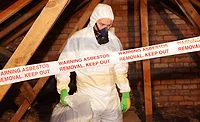
- Chemical or toxic exposure - this includes exposure to pesticides, herbicides, asbestos, PFAS, etc
- Indoor air quality - comprising pollutants from machines or equipment inside the structure, pollution from highways outside the building, specks of dust from mechanical processes, and gasses
- Radiation - non-ionizing radiation and ionizing radiation.
- Biological hazards - fungi, viruses, and bacteria
They often accomplish this by conducting a worksite assessment, in which they study a workplace and work to determine what needs to be changed to improve safety and health. Once the dangers in a workplace have been identified, industrial hygienists can begin to formulate a plan to eliminate or control these potential hazards.
Industrial hygienists are frequently involved in the establishment of worker protection standards, and they are frequently the ones who put up the field enforcement protocols and procedures to ensure workplaces are implementing and complying with those standards.
Why is industrial hygiene so important?
Industrial hygiene is absolutely critical because it protects workers from a variety of accidents and potential illnesses that may even develop years after they stop working and lead to fatal outcomes. Some of these include:
- Skin, lung, and gastrointestinal infections such as anthrax
- Hepatitis B and C which are common occupational hazards in medical settings and laboratories.
- Respiratory issues such as chronic bronchitis, asbestosis, and pneumonitis are typical in industries such as mining where dust inhalation is widespread.
- Skin infections such as dermatitis, eczema, rashes, and blisters can happen in industries where workers' skin comes into contact with toxic substances
- Poisoning can occur for those working with pesticides, herbicides, formaldehyde, or cleaning agents.
- Hearing loss can affect workers in construction and mining sites where detonations occur.
- Cancer, related to occupational toxic exposure to agents such as asbestos
Many processes demand harmful compounds in the workplace. Industrial cleaning fluids, testing chemicals, industrial processes, and other substances and conditions may represent a risk to people's and the environment's health. The IHP's job is to ensure that all procedures are safe and that all systems are operational. They ensure that staff has the necessary safety equipment and that all equipment is in good operating order. They may also be in charge of educating personnel on health and safety practices.
Industries for which an industrial hygienist is essential
Of course, industrial hygiene is extremely important in any type of industry and for any type of manufacturer, even if we’re talking about let’s say chocolate factories. This is because anytime there is manufacturing equipment that needs to be handled by workers, chemicals, repetitive tasks, or tasks that involve a lot of physical effort, there is the potential for health issues arising.
However, some of the more at risk industries where an industrial hygienist is essential includes:
- Construction
- Mining
- Oil Fields
- Trucking
- Chemical Refining
- Healthcare Facilities
- Hospitality
- Warehousing
- Machining
- Nuclear Power
- Demolition
While certain companies do not require industrial hygienists on staff, they may nevertheless hire industrial hygiene services for specialized duties, considering the numerous fields in which industrial hygiene overlaps. Temperature dangers, noise hazards, vibration hazards, mold hazards, ergonomic hazards, chemical hazards, and airborne hazards all necessitate the involvement of industrial hygiene professionals.
The economic benefits of having an industrial hygienist on your team
Nowadays, there are so many variables to consider such as new machinery and chemicals being introduced to the market all the time, as well as the growing number of unqualified personnel that apply and want to start a career in an industrial setting. Workplace hygiene has never been more critical.
Investing in industrial hygiene now can save important resources and money in healthcare expenses later on. Injuries have the highest potential for causing both short-term and long-term disability and are among the most expensive of all injuries from an economic standpoint.
Occupational hygiene has an impact on insurance premium rates, the volume of accident claims, and corporate healthcare package options. By establishing high standards, the industry can decrease risks and enhance working conditions – and thereby benefit in the long run.
Also, by making hygiene a priority, industries can reduce the number of workers forced to leave their positions due to accidents or disease. Employees being absent from work may cause a halt in output and necessitate the allocation of additional resources to hiring, training, and monitoring substitutes.
Occupational hygiene helps employees stay physically and mentally fit, giving them the energy and resources they need to focus on their work. Aside from physical discomfort, health difficulties can cause a slew of additional distractions, including stress, exhaustion, inattentiveness, and worry, making it difficult for a worker to be efficient at work. By removing such stressors, you can have a more focused and trustworthy employee.
Implementing strong safety standards will also result in better training for employees in occupational hazards. Such employees will be able to recognize and report risks in the workplace with confidence, thereby preventing future injuries. Having employees participate in overall workplace hygiene is a productive method to ensure that harmful circumstances do not go unnoticed or fall through the cracks, and above all, reassures employees that their health and safety is of the utmost importance to the ongoing success of the company.
Looking for a reprint of this article?
From high-res PDFs to custom plaques, order your copy today!