ISHN logo
search
cart
facebook twitter linkedin youtube
  • Sign In
  • Create Account
  • Sign Out
  • My Account
ISHN logo
  • NEWS
    • Today's News
    • Global Safety News
    • Government Regulations
  • PRODUCTS
    • Product Innovations
    • Featured Products
  • TOPICS
    • Environmental Health and Safety
    • Facility Safety
    • Workplace Health
    • Occupational Safety
    • PPE
    • More Topics
  • CONSTRUCTION
  • TECHNOLOGY
  • COLUMNS
    • Best Practices
    • Dave Johnson: What’s going on
    • Editorial Comments
    • Leading Safety
  • MULTIMEDIA
    • ISHN Podcast
    • Videos
    • Cold Stress Education Quiz
    • Webinars
    • White Papers
  • MORE
    • Buyer's Guide
    • Newsletters
    • Convention Companion
    • Polls
    • Events
    • ISHN Store
    • Sponsor Insights
  • EMAGAZINE
    • eMagazine
    • Archived Issues
    • Contact
    • Advertise
  • JOIN TODAY!
Government Safety RegulationsOccupational SafetyIndustrial Hygiene

OSHA takes action to reduce miners’ exposure to silica dust as work continues on an improved health standard
silica exposure
June 15, 2022

The U.S. Department of Labor’s Mine Safety and Health Administration has launched a new enforcement initiative to better protect the nation’s miners from health hazards resulting from repeated overexposure to respirable crystalline silica. MSHA reports silica dust affects thousands of miners each year and, without adequate protection, miners face risks of serious illnesses, many of which can be fatal.

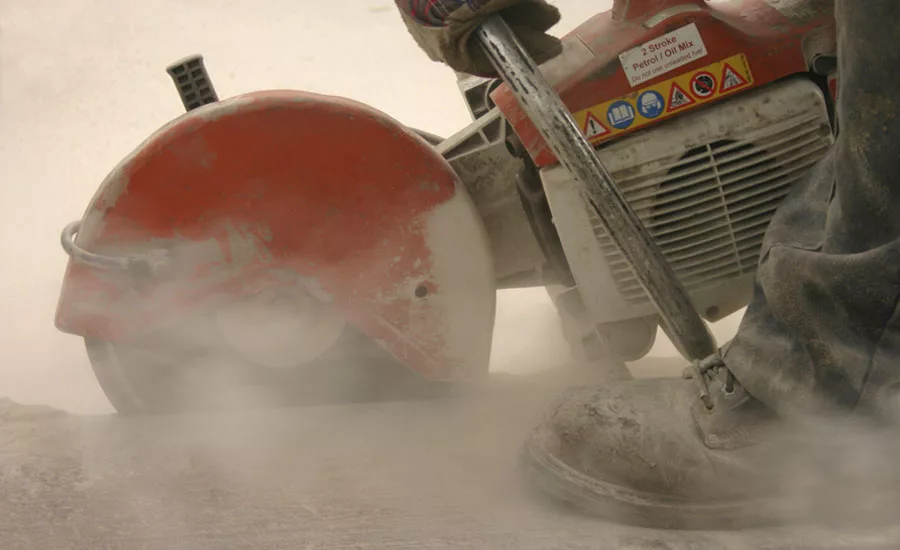
Crystalline silica is a common mineral found in the earth’s crust. Materials like sand, stone, concrete and mortar contain crystalline silica. Respirable crystalline silica – minute particles at least 100 times smaller than ordinary beach sand – becomes airborne during cutting, sawing, grinding, drilling, and crushing stone and rock.

Without proper protections and engineering controls in place, miners can be exposed to dangerous levels of crystalline silica particles, which increases their risk of developing serious silica-related diseases. These conditions include incurable lung diseases such as coal workers’ pneumoconiosis, commonly referred to as “black lung;” progressive massive fibrosis, the most severe form of black lung; silicosis; lung and other cancers; chronic obstructive pulmonary disease; and kidney disease.

“Simply put, protecting miners from unhealthy levels of silica cannot wait,” said Assistant Secretary for Mine Safety and Health Chris Williamson. “We are committed to using every tool in MSHA’s toolbox to protect miners from developing debilitating and deadly lung diseases that are entirely preventable. We have seen too many miners carrying oxygen tanks and struggling to breathe just to take a few steps or do the simplest of tasks after having their lungs destroyed by toxic levels of respirable dust.”

“Our agency is working hard and is committed to issuing a silica rule that will enhance health protections for all miners. The enforcement initiative that we are announcing today is a step we can take now while we continue the rulemaking process toward the development of an improved mandatory health standard,” Williamson added.

As part of the program, MSHA will conduct silica dust-related mine inspections and expand silica sampling at mines, while providing mine operators with compliance assistance and best practices to limit miners’ exposure to silica dust.

Specifically, the silica enforcement initiative will include:

  • Spot inspections at coal and metal nonmetal mines with a history of repeated silica overexposures to closely monitor and evaluate health and safety conditions.
  • Increased oversight and enforcement of known silica hazards at mines with previous citations for exposing miners to silica dust levels over the existing permissible exposure limit of 100 micrograms. For metal and nonmetal mines where the operator has not timely abated hazards, MSHA will issue a 104(b) withdrawal order until the silica overexposure hazard has been abated. For coal mines, MSHA will encourage changes to dust control and ventilation plans to address known health hazards.
  • Expanded silica sampling at metal and nonmetal mines to ensure inspectors’ samples represent the mines, commodities, and occupations known to have the highest risk for overexposure.
  • A focus on sampling during periods of the mining process that present the highest risk of silica exposure for miners. For coal mines, those processes include shaft and slope sinking, extended cuts and developing crosscuts, while metal and nonmetal sampling will focus on miners working to remove overburden.
  • Reminding miners about their rights to report hazardous health conditions, including any attempt to tamper with the sampling process.

In addition, Educational Field and Small Mine Services staff will provide compliance assistance and outreach to mine operators, unions and other mining community organizations to promote and advance protections for miners.

The recently launched MSHA initiative is intended to take immediate action to reduce the risks of silica dust exposure as the department’s development of a mining industry standard continues. 

Learn more about MSHA.

KEYWORDS: dust protection

Share This Story

Looking for a reprint of this article?
From high-res PDFs to custom plaques, order your copy today!

Recommended Content

JOIN TODAY
to unlock your recommendations.

Already have an account? Sign In

  • forklift safety

    Exploring the latest technologies in forklift safety

    With more staff and more stock in warehousing now more...
    Workplace Training Strategies
    By: Josh Cramer
  • welding

    All about welder’s flash or arc eye

    A flash burn is a painful inflammation of the cornea,...
    Environmental Health and Safety
  • dangerous jobs

    The 10 most dangerous jobs in the U.S.

    On-the-job deaths have been rising — hitting the highest...
    Transportation Safety
    By: Benita Mehta
Manage My Account
  • eMagazine Subscriptions
  • ISHN Newsletter & Other Newsletter Alerts
  • Online Registration
  • Manage My Preferences
  • Subscription Customer Service

More Videos

Sponsored Content

Sponsored Content is a special paid section where industry companies provide high quality, objective, non-commercial content around topics of interest to the ISHN audience. All Sponsored Content is supplied by the advertising company and any opinions expressed in this article are those of the author and not necessarily reflect the views of ISHN or its parent company, BNP Media. Interested in participating in our Sponsored Content section? Contact your local rep!

close
  • man wearing the the Sundström SR200 Full Face Mask Respirator
    Sponsored byOHD

    5 Fit Testing Mistakes That Could Cost You

  • This image shows Magid AcuSpex polarized blue mirrored safety glasses.
    Sponsored byMagid Glove and Safety

    Construction PPE Guide: What Crews Need for Each Task

  • lone worker in confined space
    Sponsored byAlphasense Ltd.

    GET THE LEAD OUT of your Safety Oxygen Sensors!

Popular Stories

SpaceX 7 launch

OSHA Investigating Fatal Fall at SpaceX Starbase

dust explosion

Tennessee OSHA Issues Record $3.1M Fine After Deadly Explosion at Munitions Plant

Worker Impairment

How to Tell When a Co-Worker is Impaired? A Safety Pro’s Challenge

top 10 most dangerous jobs

Poll

Seasonal Readiness

With the federal heat stress prevention rule on the horizon, which area of your safety program needs the most attention?
View Results Poll Archive

Products

Surviving an OSHA Audit A Management Guide, 2nd Edition

Surviving an OSHA Audit A Management Guide, 2nd Edition

See More Products

ISHN Podcasts

Related Articles

  • the Mine Safety and Health Administration

    OSHA announces proposed rule to reduce silica dust exposure, better protect miners’ health

    See More
  • DOL takes action to help workers, employers during coronavirus

    See More
  • MSHA issues final rule reducing miners’ exposure to respirable coal dust

    See More

Related Products

See More Products
  • industrial hy.jpg

    Industrial Hygiene: Improving Worker Health through an Operational Risk Approach

See More Products

Related Directories

  • Scientific Dust Collectors

    Scientific Dust Collectors (SDC) began in 1981 when our first patent for improving filter cleaning was issued. Our patented UniFlow Supersonic Nozzle -based cleaning system is where it all starts. Combined with our High Side Inlets, Wide Filter Spacing, and Inlet Baffling, we are able to guarantee performance, efficiency, and filter life. ASHRAE 199 Test Lab on site.
  • SonicAire

    SonicAire is the global leader in engineered solutions for combustible dust control. Our patented fan systems use BarrierAire™ technology to prevent dust from settling in overhead and hard-to-reach areas—helping facilities stay compliant with OSHA, NFPA, and insurance requirements. Thousands of manufacturers across wood products, food, grain, textiles, plastics, and more trust SonicAire to: Eliminate the risk of dust-related fires and explosions Automate housekeeping in overhead areas Protect worker health with improved air quality Reduce manual cleaning costs and production downtime Our systems are engineered for your facility, installed with precision, and backed by our Compliance Guarantee—because when it comes to safety, good enough is never enough. Create a cleaner, safer, and more compliant facility with SonicAire. ���� Visit www.SonicAire.com or call (336) 712-2437.
×

Become a Leader in Safety Culture

Build your knowledge with ISHN, covering key safety, health and industrial hygiene news, products, and trends.

JOIN TODAY
  • RESOURCES
    • Advertise
    • Contact Us
    • Directories
    • Manufacturing Division
    • Store
    • Want More
  • SIGN UP TODAY
    • Create Account
    • eMagazine
    • Newsletters
    • Customer Service
    • Manage Preferences
  • SERVICES
    • Marketing Services
    • Reprints
    • Market Research
    • List Rental
    • Survey/Respondent Access
  • STAY CONNECTED
    • LinkedIn
    • Facebook
    • YouTube
    • X (Twitter)
  • PRIVACY
    • PRIVACY POLICY
    • TERMS & CONDITIONS
    • DO NOT SELL MY PERSONAL INFORMATION
    • PRIVACY REQUEST
    • ACCESSIBILITY

Copyright ©2026. All Rights Reserved BNP Media, Inc. and BNP Media II, LLC.

Design, CMS, Hosting & Web Development :: ePublishing