Hot work, cool heads: Safety protocols for summer work sites

Photo credit: Getty Images
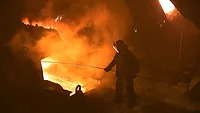
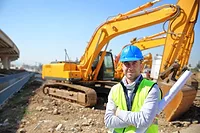
Physical laborers in industries ranging from construction to groundskeeping face an ever-increasing range of hazardous challenges, but especially so in the summer. Whether they're toiling under the scorching sun or laboring next to a blast furnace, the risks of heat-related illnesses and accidents are ever-present and growing.
Fortunately, employers are recognizing this reality, as is OSHA and even state regulatory bodies, and implementing protocols to keep their workers safe and productive. With practical strategies to ensure the safety and well-being of construction workers, both inside and outside, businesses can maintain productivity and achieve greater worker retention too.
The constant threat of heat-related hazards in the summer necessitates the creation, implementation, and standardization of a heat plan to keep physical workers safe during the extremes of summer heat, or any other temperature related occupation.
Working inside
Even indoors, physical workers are not immune to the heat or over-exertion in the workplace. Moreover, even inside without the sun beating down, if the air temperature is in the 80’s and the humidity is also high, then doing physical labor can push the body over the edge and into territory where it simply can’t sweat enough to cool itself down. When this happens, potentially fatal heat stroke is right around the corner. Prevention is the key when it come to working in the heat, inside or out.
Here are some of the best ways to prevent heat-related health effects while doing labor on job sites.
Stay hydrated
Hydration is key to combating heat-related illnesses, inside or outside. Workers should drink plenty of water throughout the day, even if they don't feel thirsty. Dehydration can sneak up quickly and present itself without a person ever even feeling thirsty at all, so it's essential to keep fluids flowing no matter how much a laborer desires a cool drink.
Dress appropriately
Lightweight, breathable clothing made of natural fibers like cotton are usually the best options when it comes to work clothes that can help you to beat the heat and still stay productive. This may not be possible on all work sites, especially those inside, but whenever possible, utilize this option as a resource for staying thermally regulated. Loose-fitting attire allows air to circulate, aiding in cooling by wicking away body heat. Avoid dark colors that absorb light rays and opt for whiter shades instead. The lighter colors will reflect the sun away from the body rather than absorbing it like dark colors do.
Take breaks
There’s a good chance that the culture of the worksite isn’t such that taking breaks randomly will be seen as a safety measure, but it is important to change this dynamic. Taking short breaks from the heat regularly can help to prevent the body from over-heating and going into stroke.
Working indoors doesn't mean people are exempt from heat breaks just because the sun isn’t a factor. Schedule regular intervals to rest and cool down. Supervisors should foster and shepherd this tactic to ensure that it becomes engrained in the work environment. During these breaks, laborers should use the time to hydrate and replenish lost fluids.
Utilize ventilation
Maximize airflow by using fans or opening windows where possible. Proper ventilation helps dissipate heat and humidity, creating a more comfortable and safe working environment. Ensure equipment like fans are in good working order to optimize their effectiveness. If the structure permits, install these fixtures permanently in places that direct the airflow to workers who are in each station to achieve the best results.
Working outside
Outdoor labor presents its own set of challenges, but with the right precautions, workers can stay safe and healthy even in extreme conditions.
Here are some of the most effective ways to prevent heat-related health hazards while doing labor on job sites outside.
Stay hydrated
It isn’t too complicated, but staying hydrated be it indoors or outside is critical to preventing heat-related health problems. Outdoor work increases the risk of dehydration significantly, so it's crucial to drink plenty of water throughout the day even when not thirsty.
Encouraging workers to carry water bottles and take regular breaks to rehydrate can not only help to prevent heat-related workplace issues, but it can also fundamentally increase productivity as well.
Wear sun protection
Shield yourself from the sun's damaging rays by wearing sunscreen with a high sun protection factor (SPF) rating. A wide-brimmed hat and sunglasses can also offer additional protection for the face and eyes. Lightweight, breathable clothing with UPF (Ultraviolet Protection Factor) will also provide sun protection in extreme conditions.
Take breaks
Working in extreme heat can quickly lead to heat exhaustion, heatstroke, or even fatalities. Schedule frequent breaks in shaded areas to rest and cool down, even if the crew isn’t interested in stopping the workflow. Encourage workers to listen to their bodies and take time out of the heat as is needed.
Each job site might be relatively similar, but if major changes between sites are common, then implementing a regular meeting to explain and illustrate heat-related concerns and solutions is important.
Seek shade
When possible, seek out shaded areas to escape the direct heat of the sun. If it’s possible to do the job completely out of the sun and then transport the finished product to where it needs to be, then this is ideal. Even if it’s only possible to do part of an operation out of the sun, it’s best to take advantage of every opportunity to avoid exposure.
Temporary shelters or canopies provide relief from the sun and help lower body temperatures too. Not all job sites will provide for this ability, but when possible erect a sun structure to prevent as much exposure as can be. Also, if possible, try to rotate tasks that need to be done in the sun between workers to minimize prolonged exposure for any one individual.
Physical laborers are not always aware of the significant challenges when working in extreme heat conditions, both indoors and outdoors, and it falls on the shoulders of management to ensure a safe workplace.
By staying hydrated, dressing appropriately, taking regular breaks, utilizing ventilation, wearing sun protection, and seeking shade when possible, workers can mitigate the risks of heat-related issues and accidents. Prioritizing safety and well-being ensures a productive and healthy workforce, even in the hottest of conditions.
Read more articles from our summer safety series
Heat’s hidden hazards
Think Beyond Heat to Other Summer-Related Safety Hazards
Employers Should Create a Summer Heat Shield
Looking for a reprint of this article?
From high-res PDFs to custom plaques, order your copy today!