Think beyond heat to other summer-related safety hazards
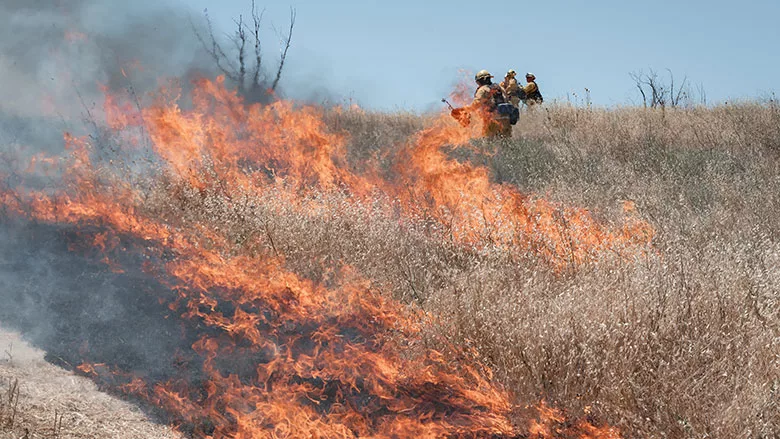
Photo credit: Toa55 / Getty Images
During the summer months, many workplaces find themselves dealing not only with excruciating heat, but destructive tornadoes, voracious hurricanes, and suffocating wildfire smoke. The potential for these seasonal hazards reinforces the importance of proactively implementing strong safety protocols. By addressing heat-related illness as well as various other summer-related weather dangers, employers can successfully mitigate risk and safeguard the health and safety of their workforce.
Heat stress
The term heat stress is used to describe a number of heat-related illnesses that occur when the body isn’t able to maintain a normal temperature. It can occur in both indoor and outdoor work settings. Indoor operations involving high air temperatures, radiant heat sources, heavy lifting, other strenuous physical activities, and direct physical contact with hot objects increase the potential for heat stress. Outdoor work during the hot summer months, especially activities that require workers to wear semipermeable or impermeable protective clothing, also increases the likelihood of heat stress.
Employees should be trained on how to identify the common signs and symptoms of serious heat-related illnesses and what to do in an emergency, including:
| Heat-related illness: | Signs and symptoms: | What to do: |
|---|---|---|
| Heat stroke | Confusion; slurred speech; unconsciousness; seizures; heavy sweating or hot, dry skin; very high body temperature; and/or rapid heart rate. | LIFE THREATENING; call 911; attempt to lower body temperature by moving the affected worker to a cool, dry area; and remove outer layer of clothing and wet the skin. |
| Heat exhaustion | Fatigue; irritability; thirst; nausea or vomiting; dizziness or lightheadedness; heavy sweating; and/or elevated body temperature or fast heart rate. | Move the affected worker to a cool area, remove outer clothing, and give cool fluids to drink. |
| Heat cramps | Muscle spasms or pain, usually in the legs, arms or trunk. | Move the affected worker to a cool area, provide cool fluids to drink, and gently stretch the cramped muscle(s). |
Although Federal OSHA doesn’t currently have a standard that specifically addresses employee exposure to heat stress, they have implemented a National Emphasis Program (CPL 03-00-024) to address outdoor and indoor heat-related hazards. The agency encourages employers to take steps to prevent heat-related illnesses, including:
- Having a written heat illness and injury program;
- Monitoring ambient temperature(s) and levels of work exertion;
- Providing unlimited cool water that is easily accessible to all employees;
- Requiring additional breaks for hydration;
- Scheduling rest breaks;
- Providing access to a shaded area;
- Allowing time for acclimatization of new and returning workers;
- Implementing a “buddy” system on hot days;
- Using administration controls (earlier start times, worker/job rotation) to limit heat exposure;
- Training workers on how to identify signs of heat illness, report signs and symptoms, administer first aid, contact emergency personnel, and prevent heat illness as well as the importance of hydration.
Tornadoes
They can occur with little to no warning, bringing intense and often destructive winds. While tornadoes are frequently observed in the Central Plains, the Midwest, and the Southeast, they’ve been reported in every state across the nation. Although OSHA is a Weather-Ready Nation Ambassador, working with the National Oceanic and Atmospheric Administration, they don’t have a standard specific to tornado-related hazards. Instead, they provide preparedness guidance for employers, which includes:
- Knowing the difference between a tornado watch (i.e., tornado activity is possible in your area) and tornado warning (i.e., a tornado has been sighted or indicated by radar, take shelter immediately);
- Developing emergency procedures as part of a facility emergency action plan (EAP);
- Identifying shelter locations such as a basement, interior room, or hallway on the lowest floor possible, away from windows, doors, and outside walls;
- Establishing an alarm system to warn workers;
- Accounting for workers, visitors, and customers as they arrive in the shelter;
- Equipping shelter locations with emergency supplies;
- Training workers to know what to do in case of an emergency;
- Practicing shelter-in-place plans on a regular basis; and
- Updating plans and procedures based on lessons learned from exercises.
Hurricanes
Ranging from Category 1 (minimal impact) to Category 5 (catastrophic), hurricanes are capable of causing severe damage to businesses and communities near the Atlantic Coast, the Gulf of Mexico, and parts of the Southwestern United States. Similar to tornadoes, OSHA doesn’t have a specific standard for hurricane-related hazards but rather provides preparedness guidance, including:
- Knowing the difference between a hurricane watch (i.e., a hurricane is possible) and a hurricane warning (i.e., a hurricane is expected within 24 hours);
- Having an evacuation plan as part of a facility EAP;
- Equipping shelter locations with emergency supplies (if unable to evacuate);
- Training workers to know what to do in case of an emergency;
- Practicing evacuation plans on a regular basis; and
- Updating plans and procedures based on lessons learned from exercises.
Wildfire smoke
Wildfires continue to be a major concern for much of the country. The resulting smoke can spread across state lines, filling the air with chemicals, gases, and soot. While Federal OSHA doesn’t have a wildfire smoke standard, the EPA has stated that harmful amounts of particulate matter occur when the air quality index (AQI) reaches 151 or higher. To reduce exposure to wildfire smoke, OSHA suggests the following protective measures:
- Frequently monitoring air-quality conditions;
- Relocating or rescheduling work tasks to smoke-free areas;
- Reducing levels of physical activity, especially strenuous and heavy work;
- Requiring and encouraging workers to take breaks in smoke-free places when possible;
- Making accommodations for employees to work inside with proper ventilation systems and high-efficiency air filters;
- Providing or allowing NIOSH-approved respirators for voluntary use when not otherwise required; and
- Ensuring that worker training, if any, is provided in a language that workers can understand.
Under the General Duty Clause, Section 5(a)(1) of the Occupational Safety and Health Act of 1970, employers are required to provide their employees with a place of employment that “is free from recognized hazards that are causing or likely to cause death or serious harm to employees.” This includes heat-related and severe weather-related hazards that are likely to cause death or serious bodily harm.
Read more articles from our summer safety series
Heat’s hidden hazards
Hot Work, Cool Heads: Safety Protocols for Summer Work Sites
Employers Should Create a Summer Heat Shield
Looking for a reprint of this article?
From high-res PDFs to custom plaques, order your copy today!