ISHN logo
search
cart
facebook twitter linkedin youtube
  • Sign In
  • Create Account
  • Sign Out
  • My Account
ISHN logo
  • NEWS
    • Today's News
    • Global Safety News
    • Government Regulations
  • PRODUCTS
    • Product Innovations
    • Featured Products
  • TOPICS
    • Environmental Health and Safety
    • Facility Safety
    • Workplace Health
    • Occupational Safety
    • PPE
    • More Topics
  • CONSTRUCTION
  • TECHNOLOGY
  • COLUMNS
    • Best Practices
    • Dave Johnson: What’s going on
    • Editorial Comments
    • Leading Safety
  • MULTIMEDIA
    • ISHN Podcast
    • Videos
    • Cold Stress Education Quiz
    • Webinars
    • White Papers
  • MORE
    • Buyer's Guide
    • Newsletters
    • Convention Companion
    • Polls
    • Events
    • ISHN Store
    • Sponsor Insights
  • EMAGAZINE
    • eMagazine
    • Archived Issues
    • Contact
    • Advertise
  • JOIN TODAY!
Environmental Health and SafetyFacility Safety

Best practices for safe chemical handling in parts washing processes
By Ellie Gabel
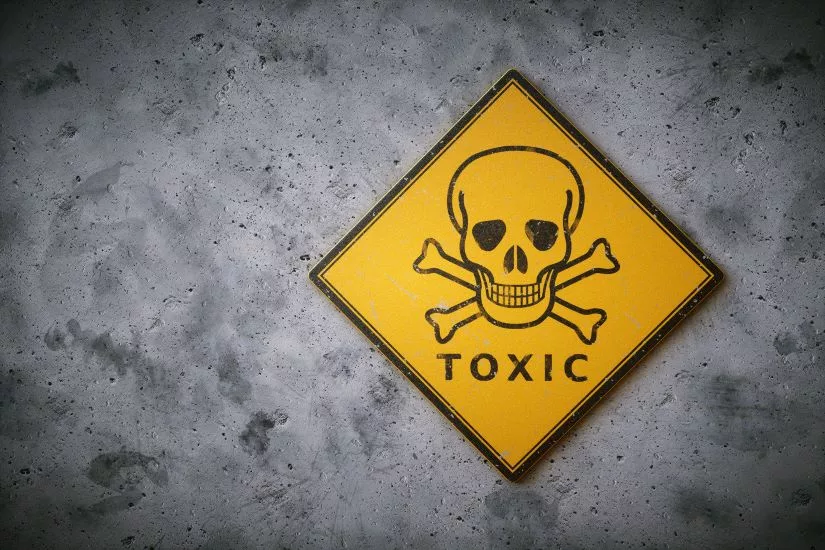
Toxic chemicals

Credit: Getty Images

August 29, 2024

Parts washers are essential assets to countless industries, providing quality automotive, medical and electronic equipment. However, these workers frequently handle dangerous chemicals, requiring the most attentive training and safety adherence. What are the best practices as output expectations and parts complexity increase?


Conducting a risk assessment

Risk assessments identify areas of opportunity to make parts washing safer. Without recognizing oversights, then complacency and quality concerns may arise.

First, washers should identify chemicals that are a part of the process, and outline their risk profiles. What are the hazards workers are most exposed to in the workplace? Environmental considerations are also crucial to mark.

Then, companies must implement controls and training programs to mitigate the most prominent safety threats. For example, hypochlorite fumes are more potent than others, whereas peracetic acid and other oxidizers should never be near water. Inspire emergency protocols based on these risks, providing first aid training to employees as needed.


Following Personal Protective Equipment (PPE) compliance

Assessing risk is a foundational requirement but so is adhering to PPE guidelines. Parts washers can interact with the world’s most dangerous chemicals with the right visors, gloves, suits and glasses. PPE is the mandatory shield for the rest of these best practices to fall behind. These frameworks are the most critical when discovering the latest industry-leading recommendations:

  • Automotive Industry Action Group (AIAG): Specifies guidance for auto parts cleaning.
  • Globally Harmonized System of Classification and Labeling: Classifies chemicals with Safety Data Sheets (SDS) and recommends PPE based on each.
  • Code of Federal Regulations: Advises respiratory, eye, face and general PPE in 40 CFR Part 262 and 29 CFR 1910.132-134 for parts washing processes during production, training and maintenance.
  • National Fire Protection Association: Details electrical risks near chemical and flammable components in code 70E.
  • International Safety Equipment Association: Decides what gloves, goggles, face shields and other garments are acceptable for chemical resistance.

All PPE should be accessible to parts washers in safe environments prior to interacting with chemicals. Adequate storage, maintenance and inspections solidify their integrity. Legislation is still coming out today, as the EPA just announced the most sweeping chemical safety rule in history, backed by the American Chemistry Council despite industrial opposition.


Installing top-tier ventilation

Local exhaust ventilation systems and filters considering novel pollutants at the smallest sizes are crucial for isolating fumes and removing health deterrents. Fumes hoods capture vapors near or at the creation point, preventing them from spreading to other parts of the washing area. Washers working with fast-spreading fumes should wear adequate face masks with reduced inhalation, but a facility’s greatest asset will be well-maintained vents.


Incorporate automation

Automation prevents employees from directly interacting with the most dangerous aspects of their job, especially with toxic chemical solvents like caustics and butyl cellosolve. This makes workplaces safer and optimizes for efficiency. High-volume washers reduce the number of wash cycles parts must undergo, saving resources and lessening risk by altering dilution ratios or incorporating neutralizers. 

Another perk is the minimal manual involvement, which keeps employees out of high-pressure, harsh environments. Industry 4.0 technologies for parts washers may also include water-based machinery, which decreases the frequency with which staff has to mess with hazardous, irritating chemicals like toluene and acetone. 

Automation tools, like the Internet of Things (IoT), can monitor chemical use and determine how frequent maintenance checks are necessary to prevent disruptions that could lead to more dangerous circumstances.


Implement spill response

Part of emergency protocols should be spill response plans. Chemical spills have the potential to harm more than washers — seepage into nature becomes a safety issue for wildlife and habitats. Spill kits should always be nearby as a precautionary measure, always containing adequate quantities of absorbent materials, neutralizers and specialized PPE for spreading chemicals. 

Washers will hopefully never encounter these circumstances, but should know how to react because regular drills are in place. Spill kits and proper training should be included in overall business continuity, preparing even the most recent staff for the worst-case scenario. 


Handling safety

Chemical handling for parts washers will only get more demanding as novel treatments and liquids enter the scene. Contaminant and debris removal and processing optimize if workers consider safety from start to finish. To make workplaces better and more sustainable for their employees, high expectations are vital for using chemicals on parts responsibly.

KEYWORDS: chemicals cleaning

Share This Story

Looking for a reprint of this article?
From high-res PDFs to custom plaques, order your copy today!

Ellie Gabel is a freelance writer passionate about keeping up with the latest innovations and advancements in science and technology and covering how they're impacting the world we live and work in. She’s also the associate editor of Revolutionized.com.

Recommended Content

JOIN TODAY
to unlock your recommendations.

Already have an account? Sign In

  • forklift safety

    Exploring the latest technologies in forklift safety

    With more staff and more stock in warehousing now more...
    Workplace Training Strategies
    By: Josh Cramer
  • welding

    All about welder’s flash or arc eye

    A flash burn is a painful inflammation of the cornea,...
    Environmental Health and Safety
  • dangerous jobs

    The 10 most dangerous jobs in the U.S.

    On-the-job deaths have been rising — hitting the highest...
    Transportation Safety
    By: Benita Mehta
Manage My Account
  • eMagazine Subscriptions
  • ISHN Newsletter & Other Newsletter Alerts
  • Online Registration
  • Manage My Preferences
  • Subscription Customer Service

More Videos

Sponsored Content

Sponsored Content is a special paid section where industry companies provide high quality, objective, non-commercial content around topics of interest to the ISHN audience. All Sponsored Content is supplied by the advertising company and any opinions expressed in this article are those of the author and not necessarily reflect the views of ISHN or its parent company, BNP Media. Interested in participating in our Sponsored Content section? Contact your local rep!

close
  • man wearing the the Sundström SR200 Full Face Mask Respirator
    Sponsored byOHD

    5 Fit Testing Mistakes That Could Cost You

  • This image shows Magid AcuSpex polarized blue mirrored safety glasses.
    Sponsored byMagid Glove and Safety

    Construction PPE Guide: What Crews Need for Each Task

  • lone worker in confined space
    Sponsored byAlphasense Ltd.

    GET THE LEAD OUT of your Safety Oxygen Sensors!

Popular Stories

SpaceX 7 launch

OSHA Investigating Fatal Fall at SpaceX Starbase

Automated loading dock equipment

After March 2026 Rivian Death, Safety Managers Reassess Loading Dock Systems Under OSHA's Warehouse Emphasis Program

psychology in the workplace

Most Workplaces Measure Psychological Safety, Ignoring Psychosocial Risks

top 10 most dangerous jobs

Poll

Seasonal Readiness

With the federal heat stress prevention rule on the horizon, which area of your safety program needs the most attention?
View Results Poll Archive

Products

Surviving an OSHA Audit A Management Guide, 2nd Edition

Surviving an OSHA Audit A Management Guide, 2nd Edition

See More Products

ISHN Podcasts

Related Articles

  • New research identifies 5 best practices for keeping contractors safe

    See More
  • Hazard communication standard

    Best Practices for Handling Medical Waste in Manufacturing Facilities

    See More
  • Oil and gas processing safety

    Best practices for proactive risk identification and mitigation

    See More

Related Directories

  • Safe Site Check In LLC

    Make Jobsite Management Easy(™). Safe Site Check In saves jobsite safety, super, project, and cost managers hours a day including: Digital badging, onboarding & training, Safety screening, Daily log creation Safety JSA, EAP, SDS Project management integration, Subcontractor management, Remote site monitoring, Worker profiles, Incident investigations.
×

Become a Leader in Safety Culture

Build your knowledge with ISHN, covering key safety, health and industrial hygiene news, products, and trends.

JOIN TODAY
  • RESOURCES
    • Advertise
    • Contact Us
    • Directories
    • Manufacturing Division
    • Store
    • Want More
  • SIGN UP TODAY
    • Create Account
    • eMagazine
    • Newsletters
    • Customer Service
    • Manage Preferences
  • SERVICES
    • Marketing Services
    • Reprints
    • Market Research
    • List Rental
    • Survey/Respondent Access
  • STAY CONNECTED
    • LinkedIn
    • Facebook
    • YouTube
    • X (Twitter)
  • PRIVACY
    • PRIVACY POLICY
    • TERMS & CONDITIONS
    • DO NOT SELL MY PERSONAL INFORMATION
    • PRIVACY REQUEST
    • ACCESSIBILITY

Copyright ©2026. All Rights Reserved BNP Media, Inc. and BNP Media II, LLC.

Design, CMS, Hosting & Web Development :: ePublishing