Safeguarding the invisible workforce
The crucial role of gas detection and safety monitoring for lone workers
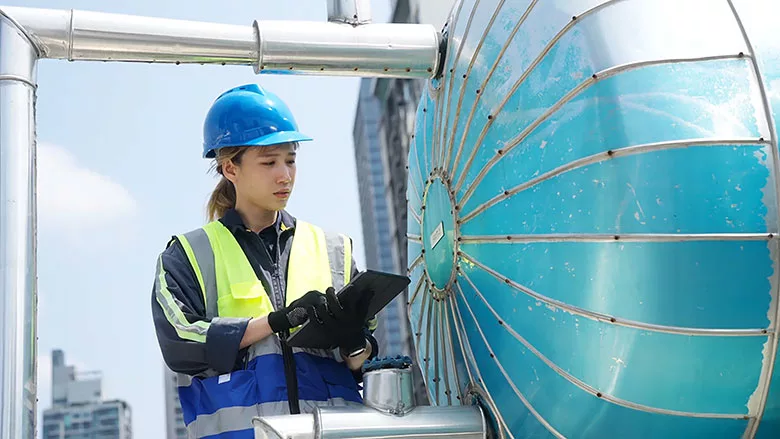
Photo credit: damircudic / E+ / Getty Images Plus
In the vast expanse of modern industry, there exists a workforce that often operates out of sight and out of mind: the lone worker. These lone workers, who perform their duties in remote locations or isolated environments, are essential to the functioning of various sectors, including oil and gas, utilities, construction, and wastewater management.
Despite their critical roles, lone workers face unique challenges that can compromise their safety and well-being. Among these challenges, exposure to hazardous gases and the lack of immediate assistance stand out as significant threats. In this context, advanced gas detection and safety monitoring solutions emerge as indispensable tools in safeguarding this invisible workforce.
The hidden perils of lone work
Lone workers are often at the mercy of their environments. Whether it's a utility worker maintaining power lines in a rural area, a construction worker inspecting a remote site, or a wastewater technician monitoring treatment processes, these individuals operate in conditions where help is not readily available. The isolation inherent in their work means that a minor incident can quickly escalate into a life-threatening situation.
The dangers are manifold: exposure to toxic gases, sudden medical emergencies, slips and falls, and even adverse weather conditions. In such scenarios, the absence of immediate support can delay emergency response, exacerbating the severity of the incident. This reality underscores the need for robust safety measures tailored specifically to the unique risks faced by lone workers.
The imperative of gas detection
One of the most insidious threats to lone workers is exposure to hazardous gases. Many industrial environments contain gases that are invisible and odorless, yet highly toxic or explosive. Hydrogen sulfide, carbon monoxide, methane, and chlorine are just a few examples of gases that pose significant risks. Without proper detection, workers can be unaware of the danger until it's too late.
Advanced gas detection devices, such as multi-gas monitors connected to cellular and satellite services, play a crucial role in mitigating these risks. These devices are designed to detect multiple gases simultaneously, providing real-time alerts to the worker and safety personnel. The integration of GPS technology ensures that the worker's exact location is known, allowing for swift and accurate emergency response.
Real-time safety monitoring: A lifeline for lone workers
While gas detection is vital, it is only one piece of the puzzle. Real-time safety monitoring solutions provide a comprehensive approach to lone worker safety. Several cloud-based platforms offer live monitoring of workers' status, including gas readings, location, and movement. Automatic alerts are sent to designated safety contacts via text or email, ensuring that any incident is immediately flagged and addressed.
The real-time nature of these alerts is a game-changer. In the event of a gas leak, fall, or medical emergency, the ability to instantly know a worker's status and location can expedite emergency response and potentially save lives. This level of visibility and responsiveness is crucial in environments where every second counts.
Seamless connectivity: Overcoming the limitations of remote work
Connectivity is a significant challenge for lone workers, especially those operating in remote areas with poor cellular coverage. In this instance, look for a vehicle-mounted device, which can address this issue by providing seamless connectivity through automatic switching between cellular and satellite networks. This ensures that workers’ personal monitors remain connected regardless of their location, allowing for continuous monitoring and real-time alerts.
These devices should also feature automatic failover connectivity, which is essential for maintaining communication in remote areas. It ensures that safety alerts are transmitted without interruption, providing a reliable lifeline for lone workers in even the most isolated environments.
Enhancing safety through data analytics
In addition to real-time monitoring and connectivity, data analytics play a critical role in enhancing lone worker safety. Some platforms provide comprehensive data analysis, allowing organizations to track safety metrics, identify trends, and make informed decisions. By leveraging data-driven insights, companies can continuously refine their safety strategies and address potential risks proactively.
The ability to analyze and interpret data from gas detectors and monitoring devices enables safety managers to identify patterns and prevent incidents before they occur. This proactive approach not only enhances worker safety but also improves overall operational efficiency.
Building a culture of safety
Implementing advanced gas detection and safety monitoring solutions is only part of the equation. To truly protect lone workers, organizations must foster a culture of safety that prioritizes continuous improvement and proactive risk management. This involves regular training, clear communication of safety protocols, and the adoption of best practices.
Many gas detection companies support this cultural shift by providing comprehensive training and support for their products. By empowering workers with the knowledge and tools they need to stay safe, organizations can create an environment where safety is ingrained in every aspect of the operation.
Conclusion: Out of sight shouldn’t mean out of mind
Lone workers are an essential yet vulnerable segment of the workforce. The unique challenges they face necessitate innovative solutions that go beyond traditional safety measures. Advanced gas detection devices, real-time monitoring platforms, and seamless connectivity solutions provide a comprehensive approach to lone worker safety.
By integrating these technologies, organizations can ensure that lone workers are never truly alone. The ability to detect hazards, monitor worker status in real-time, and respond swiftly to emergencies can significantly reduce the risks associated with lone work. As industries continue to evolve, the importance of protecting lone workers cannot be overstated. With the right tools and a commitment to safety, we can safeguard the unseen workforce and ensure their well-being in even the most challenging environments.
Looking for a reprint of this article?
From high-res PDFs to custom plaques, order your copy today!