Preventative respiratory protection: How to control and monitor airborne hazards
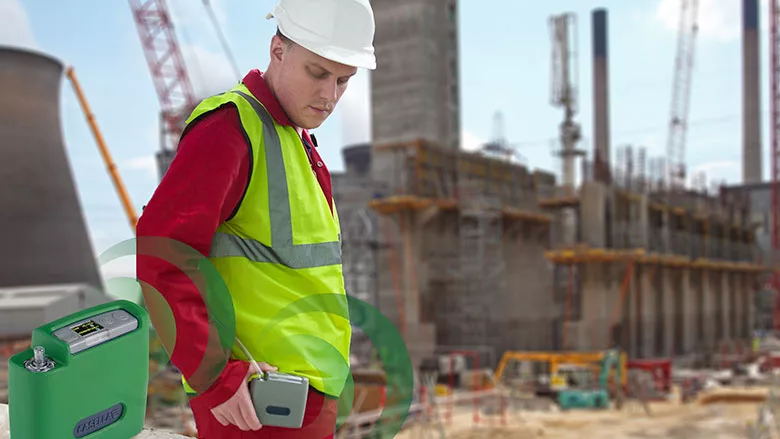
Photo courtesy of Casella; Art: megane / iStock / Getty Images Plus
Respiratory protection is often synonymous with respiratory protective equipment (RPE) but before employers provide RPE they can better protect workers through a properly implemented monitoring and control program. Exposure to airborne hazards in the workplace, such as gases, chemical vapors and dusts can cause chronic respiratory illnesses and chronic health issues. Approximately 30 million Americans are at risk of developing an occupational lung disease, with 30,000 annual deaths at least partially attributed to inhaled airborne hazards.1
Some hazardous airborne substances can cause immediate death when inhaled in small quantities, while the effects from others can take years to develop. These long-latency effects leave workers vulnerable to asthmatic and allergic reactions and longer-term illnesses such as cancer and cardiovascular, respiratory and nervous system disorders.
The Occupational Safety and Health Administration (OSHA) issues citations and penalties if businesses violate permissible exposure limits (PEL). PELs are legal limits designed to control employee exposure to hazardous substances in an 8-hour period to prevent health risks. However, 90% of OSHA’s prescribed limits have not been updated since the 1960s so it is recommended to monitor up-to-date advice from industrial hygiene experts.2
Due to this, OSHA may issue penalties for failing to adequately protect workers from airborne hazards under the general duty clause of the Occupational Safety and Health Act (OSH Act). Any kind of dust is hazardous to health when present, OSHA’s general PELs are 15 mg/m³ of inhalable dust or 5 mg/m³ of respirable dust, as measured over the equivalent of an 8-hour day. The more toxic a dust, the lower the exposure limit will be. Gasses and vapors have individual limits that can be found on the annotated tables of its website.3
Industrial hygiene methods are geared towards measuring personal exposure using personal air sampling pumps because the tried-and-tested method can quantify personal exposure and ensure compliance with regulatory limits. Employers can also opt to use real-time monitors that provide instant, continuous measurements, allowing for immediate feedback on exposure levels. However, for compliance with regulations, personal air sampling pumps are necessary. Real time instruments can give overall dust levels, but analysis of filters from air sampling pumps can provide the concentration of the dust components (e.g. differing metals in the air) which may themselves have individual exposure limits.
Control
When it comes to controlling the effects of exposure on employees, the usual hierarchy of control is applied. Employers should first remove all instances of the sources of airborne hazards. Where this is not reasonably practicable, employers should then opt to replace them with less dangerous alternatives. Monitoring of exposure can be used to quantify the risks, or after control measures have been put in place, make sure the residual risks are acceptable or ensure control measures continue to be effective. Exposure to any substance in the air should be kept to as low a level as is reasonably practicable; it’s not acceptable to get levels to just below exposure limits. RPE should be the last option for employers when protecting employees.
An air sampling pump is typically worn by a worker, often attached to a belt, with a sampling medium — such as a filter in a sampling head — placed in their breathing zone to collect air samples. This setup operates for a specified duration to accurately measure contaminant concentration levels, which are then compared with the PELs. Official guidelines prescribe the appropriate type of filter and sampling head (or a tube for vapors) for the particular hazardous substance, as well as the necessary flow rate and minimum sample duration to ensure valid results.
Air sampling pumps allow for samples to be collected over specific time intervals for a more targeted assessment of exposure levels. Once collected, the sample is sent to a lab for analysis which uses highly sensitive techniques to find levels of exposure. Pumps are required for regulatory compliance but are also a more cost-effective option when compared to real-time instruments.
Real-time assessments can be used to gauge immediate exposure levels, allowing for employers to take quick action to protect employees. While this cannot provide results in line with regulatory compliance, it is the quickest way to safeguard employee health. These instruments can continuously monitor the workplace environment, providing a dynamic picture of exposure levels over time, the ‘where and when’ an exposure occurred.
Both methods are suitable for monitoring airborne environments to protect workers from the risks associated with harmful substances. However, for compliance purposes, personal air sampling pumps should always be used and the data must be analyzed by competent individuals. Where this isn’t possible in an organization, it is recommended to seek external expertise.
Conclusion
A comprehensive and proactive approach to airborne hazard monitoring in workplaces is essential for safeguarding worker health. While real-time monitors provide a valuable immediate overview of exposure levels, especially in complex environments, personal air sampling pumps remain essential for regulatory compliance. Where possible, implement a regime that utilizes both to ensure employers remain compliant and can act quickly and effectively to change hazardous working practices. Furthermore, consistent monitoring not only helps employers stay well below permissible exposure limits (PELs) but also empowers them to mitigate risks effectively, ensuring long-term health benefits for their employees.
References
Looking for a reprint of this article?
From high-res PDFs to custom plaques, order your copy today!