Navigating OSHA Requirements During Hurricane Recovery Operations
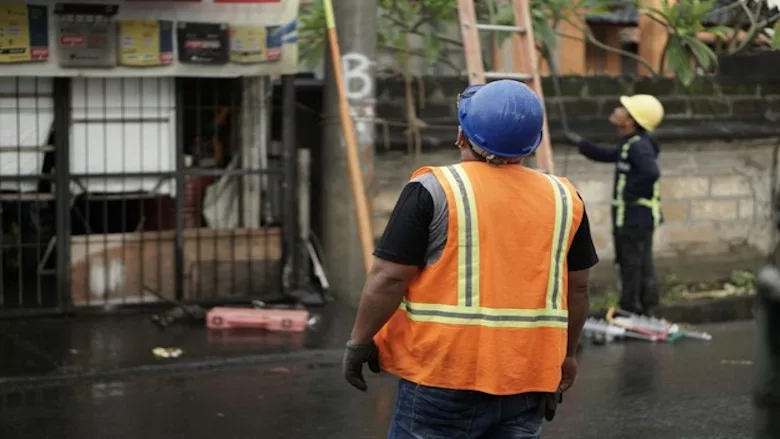
After a hurricane, businesses often face immense pressure to resume operations quickly. Still, safety professionals must navigate the delicate balance between urgency and compliance. Recovery demands fast decisions, yet moving too quickly can expose workers to hazards and open organizations to costly Occupational Safety and Health Administration (OSHA) violations.
This tension creates high stakes for safety leaders, who must protect employees while ensuring regulatory requirements are met in chaotic, high-risk environments. Their role goes beyond checking boxes. It involves guiding teams through recovery with speed and precision. This way, they can prove that compliance and efficiency coexist when approached with the right strategy.
Pre-Hurricane OSHA Compliance Planning
OSHA’s emergency response plan requirements emphasize the need for preparation before a storm hits, and recent history underscores why. In 2022, eight hurricanes struck the U.S., resulting in 78 deaths, reminding organizations how high the stakes can be. A well-documented plan supported by regular training ensures employees know evacuation routes, communication procedures and emergency roles, which reduces confusion when every second matters.
Proactive facility maintenance is also vital in hurricane preparedness and hazard mitigation. Regular landscape maintenance ensures your ramps, walkways, parking lots and public spaces are free of debris, fallen branches and large piles of leaves that could become dangerous projectiles during high winds. You can manage seasonal hazards, like snow and ice, with professional snow removal services to enhance safety, accessibility and business continuity. These preventive measures significantly reduce potential hazards and can minimize damage when a hurricane strikes.
Safety leaders must also update equipment and personal protective equipment (PPE) inventories. This approach keeps critical resources — from respirators and gloves to fall protection gear — available immediately after a storm. Investing in documentation, training and equipment readiness before disaster strikes builds a foundation of resilience that protects people and operations.
Immediate Post-Hurricane Safety Priorities
In the aftermath of a hurricane, hazard assessments ensure recovery work can proceed without putting employees in danger. Damaged facilities often conceal threats such as unstable structures, compromised foundations and roofs on the verge of collapse. Meanwhile, electrical hazards from exposed wiring or submerged equipment create life-threatening risks.
Contaminated water adds another layer of concern, carrying bacteria, chemicals and other pollutants that can harm workers’ health. OSHA emphasizes that emergency response teams must follow strict protection requirements, from using proper PPE and respiratory equipment to receiving training for post-disaster conditions. Conducting thorough hazard assessments and prioritizing worker protection can prevent additional tragedies and keep efforts moving forward.
OSHA Standards During Recovery Operations
During hurricane recovery, OSHA standards serve as a vital roadmap for protecting workers in unpredictable and hazardous conditions. From hazardous waste cleanup to fall protection, these regulations guide every step of safe and compliant operations.
1910.120
OSHA standard 1910.120 outlines the requirements for hazardous waste operations and emergency response, which are especially critical during hurricane recovery. Employers must develop and implement a written safety and health program that addresses hazard identification, training, medical surveillance and the proper use of protective equipment.
These measures are essential when workers face chemical spills, contaminated debris or storm-related waste that can pose serious health risks if mishandled. A well-prepared program ensures compliance and gives employees the knowledge and tools to respond safely. It keeps recovery efforts on track while protecting those on the front lines.
1926.501
OSHA standard 1926.501 highlights the importance of fall protection, especially during hurricane recovery when workers often repair roofs, scaffolding or other elevated structures. Falls remain one of the leading causes of construction site fatalities, and research shows that inadequate planning and poor risk assessment in the early stages of a project are major contributors.
To address this issue, OSHA requires employers to provide guardrails, safety nets or personal fall arrest systems. Clear training ensures workers understand how to use them effectively. Prioritizing fall protection from the start of projects can prevent life-threatening accidents and keep construction efforts moving forward confidently.
1926 Subpart P
OSHA’s 1926 Subpart P sets strict guidelines for excavation and trench safety, which become especially important when clearing storm debris or repairing underground infrastructure after a hurricane. Unstable soil, hidden water damage and heavy equipment create conditions where cave-ins and collapses can occur with little warning.
To protect workers, OSHA requires protective systems such as shoring, shielding or sloping, along with constant on-site inspections by a competent person. These precautions prevent life-threatening accidents and ensure crews can move debris and restore services efficiently without compromising safety.
1910.134
OSHA standard 1910.134 sets the foundation for respiratory protection in hurricane recovery, where airborne hazards are often unavoidable. Contaminants such as mold, dust, chemical fumes and sewage-related particles can quickly overwhelm workers without the right safeguards.
To reduce these risks, employers must implement a respiratory protection program that includes medical evaluations, fit testing and thorough training to ensure employees know how to use the equipment properly. These steps allow safety leaders to comply with OSHA requirements and keep operations efficient and sustainable.
Industry-Specific Considerations
Different industries face unique compliance challenges during hurricane recovery, which makes it essential to tailor safety strategies to specific environments. Manufacturing facilities must carefully recommission equipment to prevent hazards from flood damage or electrical surges.
Meanwhile, health care facilities must protect patients and staff by maintaining sterile environments and proper PPE use. Construction sites bring another layer of complexity. Demolition and rebuilding demand strict adherence to OSHA standards for fall protection, excavation and debris removal under fast-paced conditions.
Contractor Management Challenges
During hurricane recovery, worksites often involve multiple contractors and subcontractors, which introduces added complexity and heightened risks under OSHA’s multi-employer worksite rules. Subcontractors — inside or outside the main contractor’s workplace — face increased exposure to occupational injuries and diseases if oversight is lacking.
Employers must verify contractor qualifications during emergency hiring and confirm that workers have the training and certifications to operate safely in hazardous conditions. With operations moving at accelerated speeds, training verification becomes more critical to ensure every worker on-site understands and follows safety protocols. Maintaining clear oversight and accountability across all parties can reduce risks and keep operations compliant and efficient.
Strengthening Compliance Programs for Future Resilience
Building a resilient safety compliance program means planning beyond immediate recovery and preparing for the next storm before it arrives. Organizations should regularly update emergency response plans, train employees and protect critical documentation to ensure compliance holds under pressure. Investing in preparedness reduces risks, protects workers and keeps operations compliant no matter what future disasters bring.
Looking for a reprint of this article?
From high-res PDFs to custom plaques, order your copy today!