Rethinking Safety Footwear for the Modern Jobsite
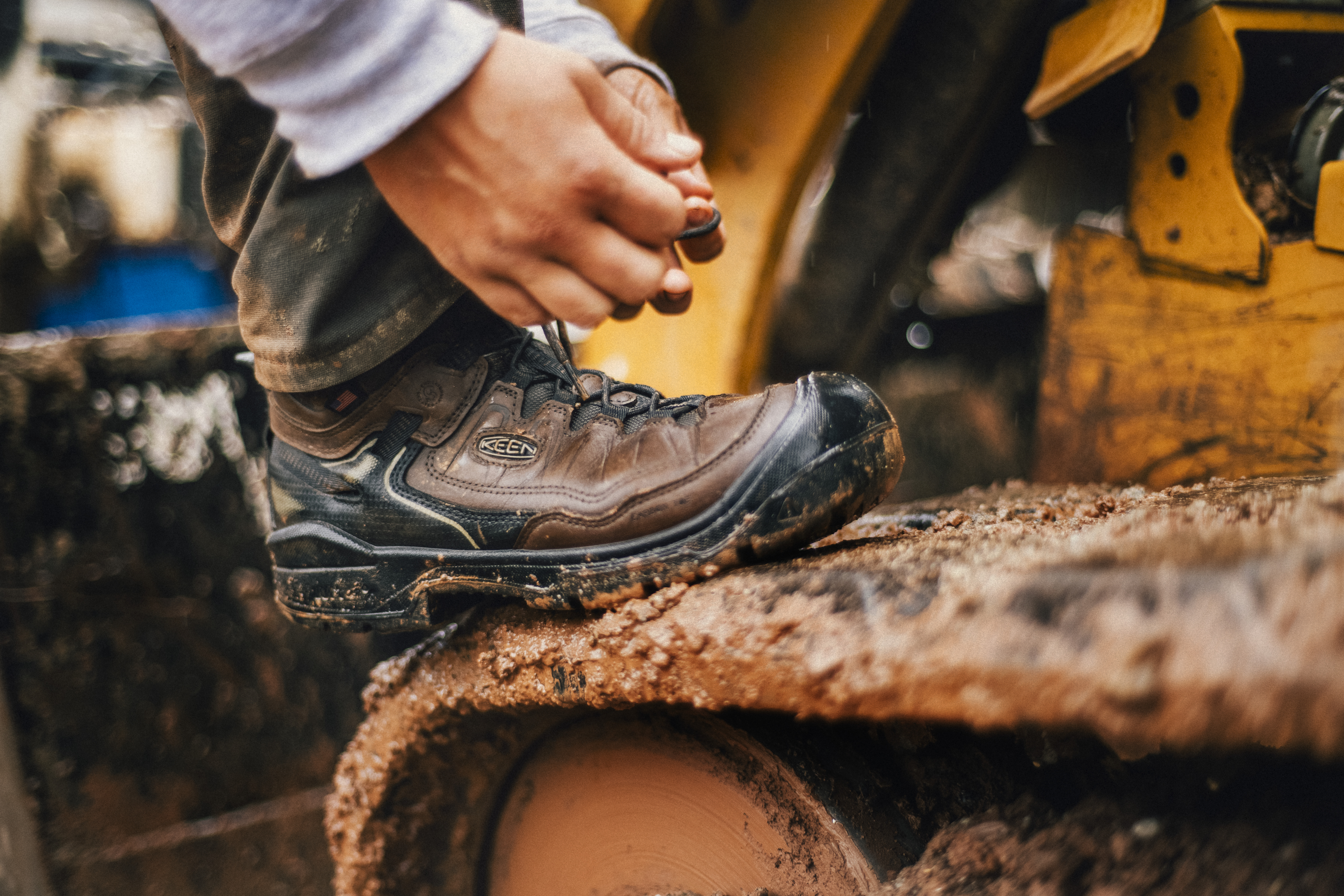
When it comes to jobsite preparedness, selecting the proper safety footwear is critical. According to the Bureau of Labor Statistics, U.S. employers reported 2.5 million workplace injuries in 2024.1 This serves as a stark reminder of how essential proper personal protective equipment (PPE), including footwear, truly can be for workers. However, navigating the market can be challenging due to the changing demands of an emerging workforce and the rapid technological innovations transforming the modern safety footwear landscape.
Every jobsite has its own unique safety requirements, so there is no universal solution for selecting work boots. However, by understanding new market trends, recognizing when to replace old footwear, and evaluating key features before buying, workers and safety managers can ensure they stay protected and comfortable all day long.
Emerging Trends in Safety Footwear
Safety footwear is often associated with work boots that are large, heavy, and bulky. However, as a new generation enters the workforce, expectations for safety footwear are evolving. Today's younger workers desire boots that deliver athletic agility, high performance, and all-day comfort without sacrificing essential protection needed for the jobsite.
Advances in performance materials and the evolving needs of a modern workforce have provided safety manufacturers new opportunities to innovate and deliver safety solutions that align with trends, consumer demands, and OSHA standards. The result is a new generation of safety footwear featuring a wide array of performance and safety enhancements designed to keep workers comfortable, energized, and safe each step of the day.
In response, manufacturers are rethinking traditional materials and designs. The result is footwear that blends the protection of a more traditional work boot with the lightweight fit and feel of an athletic sneaker. Often built with innovative mesh and high-performance textiles, this new wave of safety footwear enables breathability to keep feet cool and comfortable without sacrificing toughness in high-abrasion areas. These non-marring materials also help prevent accidental scratches and scuffs from the jobsite, keeping footwear looking presentable for longer. Additionally, this modern footwear is often designed with elements like TPU webbing, which can help with stability for a long day on your feet as well as protection from the outdoor elements.
Understanding When to Replace Your Footwear
Well-maintained safety footwear is a critical component of injury prevention; simply put, a compromised boot cannot adequately protect you. Beyond obvious structural damage, a worn-out boot loses its ability to deliver the comfort and performance enhancements required for a demanding workday. If you are questioning the lifespan of your current footwear, inspect them for these key indicators:
- Damaged Toe Caps: While safety toes can help protect against impact, any significant hit to them requires a replacement. Even if carbon-fiber or composite toe caps show no visible damage, they can develop internal micro-cracks that compromise their structural integrity. If your toe caps experience a blow, the boots should be replaced immediately.
- Delamination of the Outsole: Delamination occurs when the cement construction of a boot wears out due to exposure to caustic materials or aging glue. This separation can occur between the outsole and midsole or the midsole and the upper of a boot. Understanding the chemicals on your jobsite can help you choose the right construction—such as Goodyear welted boots for highly caustic environments or direct-injection boots for a more durable mechanical bond. Regardless of construction, if your outsole or midsole is starting to separate, it is time to replace the boot.
- Cracks, Holes and Split Seams: It is important to replace safety footwear that has any visible cracks, holes, or splitting. Dirt, mud, and harmful chemicals can enter through those openings, causing further degradation to the boot's structure or harm to the wearer.
Considerations Before Purchase
Because no two jobsites are the same, there is no one-size-fits-all approach to selecting safety footwear. Before purchasing new boots, it is key to understand what unique requirements are needed for the job from your company, as well as regulatory bodies such as OSHA. Consulting safety managers and supervisors is an excellent starting point for understanding these specific requirements. From there, here are a few considerations to look for when purchasing new safety footwear:
- Toe Protection: Often mandatory on jobsites, safety toes help to reduce the chances of crush and impact injuries. Historically, these caps have been made from materials such as steel or aluminum. Although these are still excellent choices, carbon toe caps have become an increasingly popular alternative in recent years. Carbon toe caps are about 15% lighter than a traditional steel toe, and while that difference may seem slight, it adds up over the course of an entire workday. As an added benefit, carbon toes are non-conductive to heat or cold and are completely non-metallic, which is an appealing choice for workers who may have to pass through metal detectors during a shift. Some brands now also offer asymmetrical safety toe caps that better reflect the shape of your foot, offering a more natural and unobtrusive fit without sacrificing safety.
- Slip Resistance: In 2024, approximately 16% of work-related fatalities were the result of slips, trips, and falls.2 Slip-resistant outsoles can minimize the risk of these injuries through material compounds featured in the outsole, as well as tread patterns designed to maximize surface area and disperse liquids quickly. To ensure the right boot for your underfoot environment, look for footwear specifically labeled slip-resistant.
- Cushioning: Proper cushioning is essential for workers who spend long hours on their feet. Because every step places significant force on your lower body, selecting the right midsole is critical. Seek out footwear featuring high-rebound cushioning; this technology provides excellent energy return and resists compression over time. Additionally, a well-supported arch reduces foot and leg fatigue while ensuring your body stays properly aligned over a long shift.
- Seasonality: While some boots will be a fit for year-round weather, the climate you’ll be working in is still an important consideration. For example, insulated work boots are an appealing option to keep your feet warm and dry if you work outside in colder winter months. Conversely, a lighter safety footwear option that offers more breathability can help feet stay cool in warmer months.
Equipped for the Day Ahead
When it comes to safety footwear, there is no universal answer. Finding the right boots comes down to a few key factors:
- Know Your Work Environment: Always select boots that align with the specific hazards and compliance rules of your daily work.
- Embrace New Footwear Innovations: There are more safety footwear options than ever currently on the market, which deliver unprecedented levels of safety, performance, and comfort features to help you over the course of a long workday.
- Protect Your Foundation: Safety footwear is an investment in yourself that combats daily fatigue, provides safety, and sustains your productivity.
Equipping yourself with the right tools—starting with your footwear—ensures you are ready for whatever the day brings. True workplace safety and comfort always begin from the ground up.
References
1. https://www.bls.gov/opub/ted/2026/2-5-million-workplace-injuries-and-illnesses-in-private-industry-in-2024-down-3-1-percent-from-2023.htm
2. https://www.bls.gov/news.release/cfoi.htm
Looking for a reprint of this article?
From high-res PDFs to custom plaques, order your copy today!