ISHN logo
search
cart
facebook twitter linkedin youtube
  • Sign In
  • Create Account
  • Sign Out
  • My Account
ISHN logo
  • NEWS
    • Today's News
    • Global Safety News
    • Government Regulations
  • PRODUCTS
    • Product Innovations
    • Featured Products
  • TOPICS
    • Environmental Health and Safety
    • Facility Safety
    • Workplace Health
    • Occupational Safety
    • PPE
    • More Topics
  • CONSTRUCTION
  • TECHNOLOGY
  • COLUMNS
    • Best Practices
    • Dave Johnson: What’s going on
    • Editorial Comments
    • Leading Safety
  • MULTIMEDIA
    • ISHN Podcast
    • Videos
    • Cold Stress Education Quiz
    • Webinars
    • White Papers
  • MORE
    • Buyer's Guide
    • Newsletters
    • Convention Companion
    • Polls
    • Events
    • ISHN Store
    • Sponsor Insights
  • EMAGAZINE
    • eMagazine
    • Archived Issues
    • Contact
    • Advertise
  • JOIN TODAY!

Steelcase plant nears 'impossible' goal

By Janette Hough
May 31, 2000
In 1990, Steelcase, Inc., an office furniture manufacturer, gave each of its plants five years to improve safety and reduce accidents by 90 percent. At the time, the Western Division plant in Tustin, Calif., had an injury rate of 105 per 100 employees, including first aid cases. To some at the Tustin plant, the goal seemed impossible, says Peter J. Zande, supervisor, safety and employee services. Fast forward to 1995. The Tustin plant has reduced injuries by 70 percent, only 20 percent away from the "impossible" goal. Behaviors and attitudes of workers have turned around. The plant has won the Steelcase Achievement Award for Continuous Improvement in Loss Prevention four years in a row. Top execs introduced, and presented to Tustin, the Leadership in Safety Award after realizing the plant had become an exemplary guide for others in the company. Zande and his crew of two point to five key factors behind this success story: Ownership: The safety staff stays away from being OSHA cops, says Zande. "We think of ourselves as a support group. We provide customer service to plant employees as safety consultants." They delegate responsibility- and safety ownership- to superintendents and supervisors. Supers oversee daily safety activities. They conduct inspections, safety training, accident investigations, and maintain equipment and facilities. Quarterly safety meetings include progress updates, training, and rewards for the best supers. Goals are based on job activities and affect incentive plans. Performance is measured monthly, as it relates to individual ability, says Jennie Ghear, manufacturing superintendent at the Western Division. Delegating safety responsibility extends to workers. Employees are taught the reasoning behind safety rules. They understand their responsibilities and the consequences of not following guidelines. Now, says Zande, he sees workers stretching and exercising when they would have previously been sitting and drinking coffee. The strategy is to show workers that OSHA compliance is not the end goal- sensible safety is. Workers rebel against top-down control, but given a good explanation and shown a good example, they will pursue safety on their own, says Mike Reed, former plant manager and now director of quality assurance. Zande says Reed was essential to changing worker behavior. He set a good example of self-responsibility by showing himself as an involved individual, not just a plant manager who commits to the program but leaves all action to the safety staff. "Mike took ownership of the five-year goal," says Zande. Goals: Safety staffers and plant management set up the '96 Goal Team, consisting of five supervisors, at the program's start. The supers' own teams drive the safety measures within their areas. "They held our feet to the fire and suggested new things we could do," says Reed. JSAs and patience: Patience is also a factor. Everyone involved took on the project as a five-year goal to fix the problems at the root; quick fixes are not the norm. Supervisors, trained by the safety department, completed JSAs (job safety analysis) on every task. They identified possible hazards and suggested corrective actions to management. Ergo team: Cumulative trauma injuries were a major concern and needed an aggressive approach, says Zande. Before the new program started, 40 to 50 percent of the injuries were CTDs. An ergonomic team, made up of an engineer, a supervisor, and an hourly employee, performs risk assessments in the plant. After a full day of additional ergonomic training, team members were given the freedom to act on their own initiatives, using the safety staff as consultants. Safety staffers helped with tougher job evaluations and in the prioritization process, says Zande. Steelcase implemented quick fixes but used the prioritized project list for long-term planning and budgeting. Exercise: "Stretch for Safety" was first designed for spray painters, but has grown into a plant-wide health and wellness program. At start-up time, supervisors lead a five-minute work warm-up. There is also a stretching and strengthening room, equipped with a dozen weightlifting machines. Zande says warm-up time is good for getting workers to focus on safety. "With a warm-up, workers have safety on their minds all day," he says.

Share This Story

Looking for a reprint of this article?
From high-res PDFs to custom plaques, order your copy today!

Recommended Content

JOIN TODAY
to unlock your recommendations.

Already have an account? Sign In

  • forklift safety

    Exploring the latest technologies in forklift safety

    With more staff and more stock in warehousing now more...
    Facility Safety
    By: Josh Cramer
  • welding

    All about welder’s flash or arc eye

    A flash burn is a painful inflammation of the cornea,...
    Environmental Health and Safety
  • dangerous jobs

    The 10 most dangerous jobs in the U.S.

    On-the-job deaths have been rising — hitting the highest...
    Occupational Safety
    By: Benita Mehta
Manage My Account
  • eMagazine Subscriptions
  • ISHN Newsletter & Other Newsletter Alerts
  • Online Registration
  • Manage My Preferences
  • Subscription Customer Service

More Videos

Sponsored Content

Sponsored Content is a special paid section where industry companies provide high quality, objective, non-commercial content around topics of interest to the ISHN audience. All Sponsored Content is supplied by the advertising company and any opinions expressed in this article are those of the author and not necessarily reflect the views of ISHN or its parent company, BNP Media. Interested in participating in our Sponsored Content section? Contact your local rep!

close
  • man wearing the the Sundström SR200 Full Face Mask Respirator
    Sponsored byOHD

    5 Fit Testing Mistakes That Could Cost You

  • This image shows Magid AcuSpex polarized blue mirrored safety glasses.
    Sponsored byMagid Glove and Safety

    Construction PPE Guide: What Crews Need for Each Task

  • lone worker in confined space
    Sponsored byAlphasense Ltd.

    GET THE LEAD OUT of your Safety Oxygen Sensors!

Popular Stories

SpaceX 7 launch

OSHA Investigating Fatal Fall at SpaceX Starbase

Worker Impairment

How to Tell When a Co-Worker is Impaired? A Safety Pro’s Challenge

psychology in the workplace

Most Workplaces Measure Psychological Safety, Ignoring Psychosocial Risks

top 10 most dangerous jobs

Poll

Seasonal Readiness

With the federal heat stress prevention rule on the horizon, which area of your safety program needs the most attention?
View Results Poll Archive

Products

Surviving an OSHA Audit A Management Guide, 2nd Edition

Surviving an OSHA Audit A Management Guide, 2nd Edition

See More Products

ISHN Podcasts

Related Articles

  • Safety excellence planning

    Safety excellence requires a deep dive into goal-setting

    See More
  • Engineered nanoparticles: "It remains impossible to quantify the risks for workers" (8/10)

    See More
  • They achieved the impossible

    See More

Related Products

See More Products
  • human resources.jpg

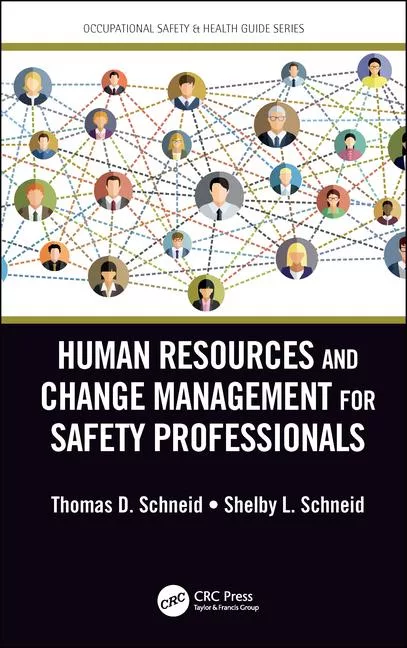
    Human Resources and Change Management for Safety Professionals

  • 9781498773416.jpg

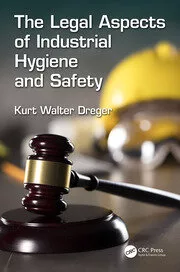
    The Legal Aspects of Industrial Hygiene and Safety

  • 1119906652.webp

    Alive and Well at the End of the Day: The Supervisor's Guide to Managing Safety in Operations, 2E

See More Products

Related Directories

  • Eckel Industries

    Eckel manufactures machinery enclosures for the protection of plant personnel working in the vicinity of loud, noisy equipment and machinery. Eckel also manufactures acoustic wall and ceiling panels to improve acoustics in plant spaces where loud machinery is operating.
×

Become a Leader in Safety Culture

Build your knowledge with ISHN, covering key safety, health and industrial hygiene news, products, and trends.

JOIN TODAY
  • RESOURCES
    • Advertise
    • Contact Us
    • Directories
    • Manufacturing Division
    • Store
    • Want More
  • SIGN UP TODAY
    • Create Account
    • eMagazine
    • Newsletters
    • Customer Service
    • Manage Preferences
  • SERVICES
    • Marketing Services
    • Reprints
    • Market Research
    • List Rental
    • Survey/Respondent Access
  • STAY CONNECTED
    • LinkedIn
    • Facebook
    • YouTube
    • X (Twitter)
  • PRIVACY
    • PRIVACY POLICY
    • TERMS & CONDITIONS
    • DO NOT SELL MY PERSONAL INFORMATION
    • PRIVACY REQUEST
    • ACCESSIBILITY

Copyright ©2026. All Rights Reserved BNP Media, Inc. and BNP Media II, LLC.

Design, CMS, Hosting & Web Development :: ePublishing