ISHN logo
search
cart
facebook twitter linkedin youtube
  • Sign In
  • Create Account
  • Sign Out
  • My Account
ISHN logo
  • NEWS
    • Today's News
    • Global Safety News
    • Government Regulations
  • PRODUCTS
    • Product Innovations
    • Featured Products
  • TOPICS
    • Environmental Health and Safety
    • Facility Safety
    • Workplace Health
    • Occupational Safety
    • PPE
    • More Topics
  • CONSTRUCTION
  • TECHNOLOGY
  • COLUMNS
    • Best Practices
    • Dave Johnson: What’s going on
    • Editorial Comments
    • Leading Safety
  • MULTIMEDIA
    • ISHN Podcast
    • Videos
    • Cold Stress Education Quiz
    • Webinars
    • White Papers
  • MORE
    • Buyer's Guide
    • Newsletters
    • Convention Companion
    • Polls
    • Events
    • ISHN Store
    • Sponsor Insights
  • EMAGAZINE
    • eMagazine
    • Archived Issues
    • Contact
    • Advertise
  • JOIN TODAY!
Today's Safety News

Health care workers warned of dangers of handling hazardous drugs (4/11)

April 11, 2011


In a letter sent to U.S. hospitals last week, the National Institute for Occupational Safety and Health (NIOSH), the Occupational Safety and Health Administration (OSHA), and The Joint Commission reminded hospital and health care employers that hazardous drugs such as antineoplastic drugs can pose serious job-related health risks to workers if proper precautions are not used in handling the drugs.

Drugs used for chemotherapy, antiviral treatments, hormone regimens, and other applications have potential for serious adverse occupational health effects, the agencies said. Irreversible effects from work-related exposures even at low levels, without taking appropriate precautions, can include cancer, reproductive and developmental problems, allergic reactions, and others.

"Potent therapy drugs can have great benefit for patients when used in proper regimens, where doses are controlled and risks are minimized. But they can also have serious consequences to the workers who handle, dispense, mix, apply, and dispose of them without proper controls and training," said NIOSH Director John Howard, M.D. "We are pleased to join with our partners to remind hospital employers that protecting the health of their employees is vitally important."

“Substances that present a potential health hazard to workers must be included in an employer's hazard communication program, and it should be readily available and accessible to all including temporary workers, contractors, and trainees, said David Michaels Ph.D., MPH, Assistant Secretary of Labor for OSHA. “We encourage employers to address safe drug handling by committing their management staff to taking a leadership role identifying and remediating hazards, offering employee training, and evaluating workplace injury and illness prevention programs for continuous improvement.”

“Protecting employees from the risks associated with handling hazardous drugs is a critical ingredient in creating a culture of safety in a health care organization,” said Paul M. Schyve, M.D., Senior Vice President Healthcare Improvement, The Joint Commission.

In their letter to hospital employers, NIOSH, OSHA, and The Joint Commission encouraged employers to:
  • Commit their management staffs to taking a leadership role in worker safety and health.
  • Offer opportunities for meaningful employee participation in efforts to identify and remediate hazards, develop and offer training, and evaluate the hospital's injury and illness program for continuous improvement.
A list of hazardous drugs can be found in a NIOSH document, "NIOSH List of Antineoplastic and Other Hazardous Drugs in Healthcare Settings, 2010" (www.cdc.gov/niosh/docs/2010-167/). The list was updated as part of an earlier document, "NIOSH Alert: Preventing Occupational Exposures to Antineoplastic and Other Hazardous Drugs in Healthcare Settings," which provides guidance on protecting healthcare employees from hazardous exposures (www.cdc.gov/niosh/docs/2004-165/).

More information on identifying hazards, determining appropriate controls, and applying safe practices can be found in a NIOSH webpage on hazardous drug exposures in healthcare (www.cdc.gov/niosh/topics/hazdrug/) and an OSHA webpage on hazardous drug safety and health at www.cdc.gov/niosh.

With the Occupational Safety and Health Act of 1970 Congress created the Occupational Safety and Health Administration (OSHA) to ensure safe and healthful working conditions for working men and women by setting and enforcing standards and by providing training, outreach, education and assistance.

Founded in 1951, The Joint Commission seeks to continuously improve health care for the public, in collaboration with other stakeholders, by evaluating health care organizations and inspiring them to excel in providing safe and effective care of the highest quality and value.

Share This Story

Looking for a reprint of this article?
From high-res PDFs to custom plaques, order your copy today!

Recommended Content

JOIN TODAY
to unlock your recommendations.

Already have an account? Sign In

  • forklift safety

    Exploring the latest technologies in forklift safety

    With more staff and more stock in warehousing now more...
    Workplace Training Strategies
    By: Josh Cramer
  • welding

    All about welder’s flash or arc eye

    A flash burn is a painful inflammation of the cornea,...
    Environmental Health and Safety
  • dangerous jobs

    The 10 most dangerous jobs in the U.S.

    On-the-job deaths have been rising — hitting the highest...
    Transportation Safety
    By: Benita Mehta
Manage My Account
  • eMagazine Subscriptions
  • ISHN Newsletter & Other Newsletter Alerts
  • Online Registration
  • Manage My Preferences
  • Subscription Customer Service

More Videos

Sponsored Content

Sponsored Content is a special paid section where industry companies provide high quality, objective, non-commercial content around topics of interest to the ISHN audience. All Sponsored Content is supplied by the advertising company and any opinions expressed in this article are those of the author and not necessarily reflect the views of ISHN or its parent company, BNP Media. Interested in participating in our Sponsored Content section? Contact your local rep!

close
  • man wearing the the Sundström SR200 Full Face Mask Respirator
    Sponsored byOHD

    5 Fit Testing Mistakes That Could Cost You

  • This image shows Magid AcuSpex polarized blue mirrored safety glasses.
    Sponsored byMagid Glove and Safety

    Construction PPE Guide: What Crews Need for Each Task

  • lone worker in confined space
    Sponsored byAlphasense Ltd.

    GET THE LEAD OUT of your Safety Oxygen Sensors!

Popular Stories

SpaceX 7 launch

OSHA Investigating Fatal Fall at SpaceX Starbase

Worker Impairment

How to Tell When a Co-Worker is Impaired? A Safety Pro’s Challenge

Automated loading dock equipment

After March 2026 Rivian Death, Safety Managers Reassess Loading Dock Systems Under OSHA's Warehouse Emphasis Program

top 10 most dangerous jobs

Poll

Seasonal Readiness

With the federal heat stress prevention rule on the horizon, which area of your safety program needs the most attention?
View Results Poll Archive

Products

Surviving an OSHA Audit A Management Guide, 2nd Edition

Surviving an OSHA Audit A Management Guide, 2nd Edition

See More Products

ISHN Podcasts

Related Articles

  • OSHA: protect workers from dangers of handling fireworks

    See More
  • Drugs used to treat patients can harm health care workers

    See More
  • Calif. passes bill to protect health care workers from toxic drugs

    See More

Related Products

See More Products
  • 0470074876vol4.jpg

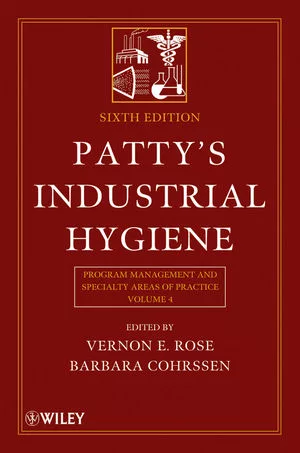
    Patty's Industrial Hygiene, Volume 4, Program Management and Specialty Areas of Practice , 6th Edition

See More Products

Related Directories

  • SafetyLine Lone Worker

    SafetyLine Lone Worker helps companies monitor the status of workers who are remote, alone, or working in hazardous situations. We are an automated check-in monitoring and emergency notification service. SafetyLine uses its communications infrastructure to ensure that workers have comprehensive monitoring, 24/7, without the need for costly monitoring centers.
  • e-Hazard

    E-Hazard is dedicated to building an electrical safety culture with you. Our electrical engineering services and training will prepare your team for any electrical safety needs or concerns. E-Hazard can help with electrical training, arc flash studies, electrical audits, electrical safety programs, LOTO, infrared scanning, NFPA 70B, consulting and much more.
×

Become a Leader in Safety Culture

Build your knowledge with ISHN, covering key safety, health and industrial hygiene news, products, and trends.

JOIN TODAY
  • RESOURCES
    • Advertise
    • Contact Us
    • Directories
    • Manufacturing Division
    • Store
    • Want More
  • SIGN UP TODAY
    • Create Account
    • eMagazine
    • Newsletters
    • Customer Service
    • Manage Preferences
  • SERVICES
    • Marketing Services
    • Reprints
    • Market Research
    • List Rental
    • Survey/Respondent Access
  • STAY CONNECTED
    • LinkedIn
    • Facebook
    • YouTube
    • X (Twitter)
  • PRIVACY
    • PRIVACY POLICY
    • TERMS & CONDITIONS
    • DO NOT SELL MY PERSONAL INFORMATION
    • PRIVACY REQUEST
    • ACCESSIBILITY

Copyright ©2026. All Rights Reserved BNP Media, Inc. and BNP Media II, LLC.

Design, CMS, Hosting & Web Development :: ePublishing