Stay safe and bright
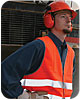
It might be hard to part with your most comfortable hi-vis sweatshirt or the hi-vis vest that’s kept you safe through a particularly close call, but high visibility safety apparel needs to replaced on a regular basis in order to keep you safe on the jobsite and protect those around you.
Safety you can see
Today’s road workers face a number of challenges in a potentially dangerous environment of motorists and moving vehicles, which are sometimes moving at incredibly fast speeds. According to the Federal Highway Administration (FHWA), one work zone fatality occurs every 10 hours (2.3 per day), and one work zone injury occurs every 13 minutes (110 per day). Increased awareness and visibility in work zones helps protect the safety of everyone on the road, and this is exactly what high-visibility apparel aims to do.
Today, the use of hi-vis apparel is mandatory for those who work in the right-of-way areas of all roads open to public travel, including private property. In 2010, the FHWA implemented highly anticipated, updated guidelines regarding high-visibility standards for garments worn by road workers. Labeled ANSI/ SEA 107-2010, the guidelines regulate component materials, colors and placement of reflective material, among other specifications. The update required a larger amount of reflective material in the shoulder area to provide increased visibility of the worker at more angles (like when they are bending down). In order to comply with ANSI/SEA 107-2010, all high-visibility garments must be tested by an independent, accredited third-party laboratory or selfcertify through the use of the Apparel and Headwear Compliance Certificate.
These updates affect everyone from highway construction and maintenance crews to engineering personnel and survey crews who are all required to wear high-visibility apparel on the job. Depending on the environment, working conditions as well as state and local guidelines, road workers need to wear either Class 2 or Class 3 garments.
Class 2 includes vests and T-shirts, and is intended for greater visibility during inclement weather or work environments in close proximity to approaching traffic with speeds of 25 mph or greater. School crossing guards, law enforcement personnel directing traffic, roadway construction, utility and railroad workers as well as trash and recycling operators commonly wear Class 2 garments.
Class 3 garments include high-visibility pants, jackets, coveralls and rainwear, providing reflective coverage not only to the torso, but also to the arms and/ or legs. Class 3 garments offer the highest level of visibility and are intended for workers who face serious hazards and traffic exceeding 50 mph. Roadway construction personnel, utility workers and emergency response personnel are commonly required to wear Class 3 garments.
All new hi-vis apparel, Class 2 and 3, should have vivid color contrast, high reflectivity and bright background color in order to best protect workers and motorists. And it should be visible from 1,000 feet away, day or night.
The useful life of hi-vis apparel
Although it may be comfortable and broken in, the American Traffic Safety Services Association (ATSSA) recommends that high-visibility apparel be replaced whenever it becomes dirty, soiled, faded, torn or defaced, which could happen quite often in hazardous jobs. A high-visibility garment with any of these characteristics will not serve its intended purposed of enhancing the visibility of road workers to increase their safety and the safety of motorists.
The exact useful life a high-visibility garment will vary with the type of work an individual is performing in the clothing. However, with everyday use, high-visibility apparel should be replaced at least every six months or once it reaches its maximum number of washes, which is usually referenced on the product’s label.
The ATSSA and the FHWA outline specific factors that may cause high-visibility clothing to wear out more quickly, including:
- Higher elevations, which increase exposure to ultra-violet rays that cause bright colors to fade.
- Hot climates.
- The nature of the work done while wearing the apparel. Some jobs involve more strenuous labor or dirty work conditions, which mean the clothing is more likely to get soiled or torn.
- The care of the apparel. How the apparel is washed and stored will affect its useful life. The labels inside all high-visibility garments include care instructions that will help best preserve the garment.
If the garment is not worn every day, it can last as long as three years. However, faded, torn or dirty highvisibility apparel will no longer meet regulations and risks the health and safety of everyone on the road. If high-visibility clothing is in questionable condition, it should be replaced.
When selecting new work wear, workers should first confirm with their employer what apparel is required. In addition to specific requirements by the government and the employer, it’s important to consider what the working conditions will be on the job. Shirts and vests made with quick-drying mesh that keep the wearer cool are ideal for hot weather, while high-visibility insulated jackets, rain jackets and rain suits protect workers from relentless weather while maintaining visibility. Many brands offer a wide variety of hi-vis apparel appropriate for any work environment. By replacing hi-vis apparel when necessary, you can protect your life, as well as the well-being of your fellow road workers and motorists.
(Sources include the American Traffic Safety Services Association, the Federal Highway Administration and the International Safety Equipment Association.)
Looking for a reprint of this article?
From high-res PDFs to custom plaques, order your copy today!


