ISHN logo
search
cart
facebook twitter linkedin youtube
  • Sign In
  • Create Account
  • Sign Out
  • My Account
ISHN logo
  • NEWS
    • Today's News
    • Global Safety News
    • Government Regulations
  • PRODUCTS
    • Product Innovations
    • Featured Products
  • TOPICS
    • Environmental Health and Safety
    • Facility Safety
    • Workplace Health
    • Occupational Safety
    • PPE
    • More Topics
  • CONSTRUCTION
  • TECHNOLOGY
  • COLUMNS
    • Best Practices
    • Dave Johnson: What’s going on
    • Editorial Comments
    • Leading Safety
  • MULTIMEDIA
    • ISHN Podcast
    • Videos
    • Cold Stress Education Quiz
    • Webinars
    • White Papers
  • MORE
    • Buyer's Guide
    • Newsletters
    • Convention Companion
    • Polls
    • Events
    • ISHN Store
    • Sponsor Insights
  • EMAGAZINE
    • eMagazine
    • Archived Issues
    • Contact
    • Advertise
  • JOIN TODAY!
Today's Safety NewsFacility Safety

New ways to battle high-rise fires

A “huge problem” in U.S., rest of world
April 23, 2013

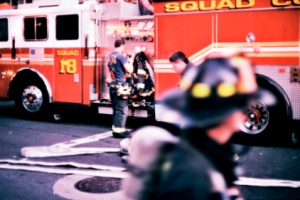
firefightersThe results of a landmark study on high-rise fires and the best ways to battle them were released at the 2013 Metropolitan Fire Chiefs Conference in Phoenix, Ariz. last week, prompting many fire departments throughout the United States to re-examine the ways they deal with fires in tall buildings.

The study – conducted by the National Institute of Standards and Technology (NIST) and funded by the Federal Emergency Management Agency (FEMA) – worked with 13 Washington, D.C.-area fire departments to determine ways to improve the fire-fighting process for high-rise incidents. The results indicated that crew size plays the biggest role in the ability to extinguish fires quickly; simply adding two additional members to a three- or four-person team of firefighters can have a drastic impact on the time it takes to extinguish a fire, the study found.

"Unlike most house fires, high-rise fires are high-hazard situations that pose unique operational challenges to fire service response," said Jason Averill, a NIST fire protection engineer who served as a lead researcher on the study. "How big a fire gets and how much danger it poses to occupants and firefighters are largely determined by crew size and how personnel are deployed at the scene."

New best practices in the works

The National Fire Protection Association (NFPA) plans to formulate new best-practice standards based on the study, while individual fire companies in the country can take the results and custom-tailor them to their departments in the most effective ways possible.

"Rather than providing a one-size-fits-all answer, our study provides a scientific basis for discussions in communities as they consider matching resources deployed to their particular risk levels," Averill added.

According to the NFPA:

  • 41 percent of high-rise office buildings, 45 percent of high-rise hotels, and 54 percent of high-rise apartment buildings in the U.S. do not have sprinkler systems to slow the spread of fire.
  • Even when sprinkler systems are in place, they fail once every 14 fires.
  • There are around 43 high-rise fires in the United States each day.
  • Over 50 civilians die in high-rise fires each year while over 500 more are injured

With high-rise fires so difficult to extinguish (seven-story buildings are too high for most fire ladders to reach), the study provided a much-needed examination of the techniques and strategies used for fighting skyscraper fires.  Upon its release on April 10, industry leaders in the fire and rescue field from all across the county lauded the study for taking a closer look at such an important issue.

Civilians must be aware, too

"High-rise fires are a huge problem, not only in the U.S., but throughout the entire world," said Lou Krupkin, a fire safety expert with SkySaver. "It's great to see researchers tackle this issue in a scientific fashion. The results should save many lives."

"Sometimes it's up to the individual to ensure their safety."

While the nation's fire departments are now armed with important new knowledge from the study, it's also important for civilians to be aware of the danger and work to improve their safety, too, Krupkin said.

"High-rise fire safety is an ongoing process that calls for diligence on the part of fire departments and civilians alike," he explained. "First responders are constantly working to improve their processes, but sometimes, it's up to the individual to ensure their safety. If you live or work in a high-rise building, always plan ahead and try to have a pre-determined escape plan."

KEYWORDS: firefighting National Fire Protection Association

Share This Story

Looking for a reprint of this article?
From high-res PDFs to custom plaques, order your copy today!

Recommended Content

JOIN TODAY
to unlock your recommendations.

Already have an account? Sign In

  • forklift safety

    Exploring the latest technologies in forklift safety

    With more staff and more stock in warehousing now more...
    Facility Safety
    By: Josh Cramer
  • welding

    All about welder’s flash or arc eye

    A flash burn is a painful inflammation of the cornea,...
    Environmental Health and Safety
  • dangerous jobs

    The 10 most dangerous jobs in the U.S.

    On-the-job deaths have been rising — hitting the highest...
    Government Safety Regulations
    By: Benita Mehta
Manage My Account
  • eMagazine Subscriptions
  • ISHN Newsletter & Other Newsletter Alerts
  • Online Registration
  • Manage My Preferences
  • Subscription Customer Service

More Videos

Sponsored Content

Sponsored Content is a special paid section where industry companies provide high quality, objective, non-commercial content around topics of interest to the ISHN audience. All Sponsored Content is supplied by the advertising company and any opinions expressed in this article are those of the author and not necessarily reflect the views of ISHN or its parent company, BNP Media. Interested in participating in our Sponsored Content section? Contact your local rep!

close
  • man wearing the the Sundström SR200 Full Face Mask Respirator
    Sponsored byOHD

    5 Fit Testing Mistakes That Could Cost You

  • This image shows Magid AcuSpex polarized blue mirrored safety glasses.
    Sponsored byMagid Glove and Safety

    Construction PPE Guide: What Crews Need for Each Task

  • lone worker in confined space
    Sponsored byAlphasense Ltd.

    GET THE LEAD OUT of your Safety Oxygen Sensors!

Popular Stories

SpaceX 7 launch

OSHA Investigating Fatal Fall at SpaceX Starbase

dust explosion

Tennessee OSHA Issues Record $3.1M Fine After Deadly Explosion at Munitions Plant

Worker Impairment

How to Tell When a Co-Worker is Impaired? A Safety Pro’s Challenge

top 10 most dangerous jobs

Poll

Seasonal Readiness

With the federal heat stress prevention rule on the horizon, which area of your safety program needs the most attention?
View Results Poll Archive

Products

Surviving an OSHA Audit A Management Guide, 2nd Edition

Surviving an OSHA Audit A Management Guide, 2nd Edition

See More Products

ISHN Podcasts

Related Articles

  • High-rise fires cause quarter billion dollars of property damage a year

    See More
  • Construction industry ready to battle as safety bills hit NYC council floor

    See More
  • Teens finding new ways of using tobacco

    See More

Related Directories

  • New Pig

    The world leader in absorbent products, New Pig provides innovative products to help maintain cleaner, safer, more productive work environments.
×

Become a Leader in Safety Culture

Build your knowledge with ISHN, covering key safety, health and industrial hygiene news, products, and trends.

JOIN TODAY
  • RESOURCES
    • Advertise
    • Contact Us
    • Directories
    • Manufacturing Division
    • Store
    • Want More
  • SIGN UP TODAY
    • Create Account
    • eMagazine
    • Newsletters
    • Customer Service
    • Manage Preferences
  • SERVICES
    • Marketing Services
    • Reprints
    • Market Research
    • List Rental
    • Survey/Respondent Access
  • STAY CONNECTED
    • LinkedIn
    • Facebook
    • YouTube
    • X (Twitter)
  • PRIVACY
    • PRIVACY POLICY
    • TERMS & CONDITIONS
    • DO NOT SELL MY PERSONAL INFORMATION
    • PRIVACY REQUEST
    • ACCESSIBILITY

Copyright ©2026. All Rights Reserved BNP Media, Inc. and BNP Media II, LLC.

Design, CMS, Hosting & Web Development :: ePublishing