ISHN logo
search
cart
facebook twitter linkedin youtube
  • Sign In
  • Create Account
  • Sign Out
  • My Account
ISHN logo
  • NEWS
    • Today's News
    • Global Safety News
    • Government Regulations
  • PRODUCTS
    • Product Innovations
    • Featured Products
  • TOPICS
    • Environmental Health and Safety
    • Facility Safety
    • Workplace Health
    • Occupational Safety
    • PPE
    • More Topics
  • CONSTRUCTION
  • TECHNOLOGY
  • COLUMNS
    • Best Practices
    • Dave Johnson: What’s going on
    • Editorial Comments
    • Leading Safety
  • MULTIMEDIA
    • ISHN Podcast
    • Videos
    • Cold Stress Education Quiz
    • Webinars
    • White Papers
  • MORE
    • Buyer's Guide
    • Newsletters
    • Convention Companion
    • Polls
    • Events
    • ISHN Store
    • Sponsor Insights
  • EMAGAZINE
    • eMagazine
    • Archived Issues
    • Contact
    • Advertise
  • JOIN TODAY!
Today's Safety NewsOccupational Safety

2012 had lowest fatality rate in history of U.S. mining industry

Violations down by 18 percent
July 12, 2013

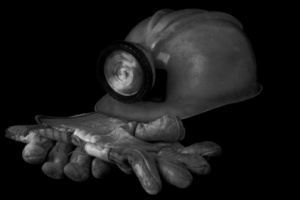
miningFigures released Wednesday by the Mine Safety and Health Administration (MSHA) revealed that 2012 had the lowest fatality and injury rates in the history of U.S. mining, along with the lowest rate of contractor fatalities since the agency began calculating those rates in 1983.

Thirty-six miners died on the job last year. Five contractors died in mining accidents, compared to 11 in 2011, nearly half the lowest number ever recorded.

"In the right direction"

Joseph A. Main, assistant secretary of labor for mine safety and health, attributed the numbers to actions taken by MSHA and the mining community. “While more needs to be done to protect the nation's miners, we are moving mine safety in the right direction.”

Compliance with the Federal Mine Safety and Health Act of 1977 also continued to improve in 2012, with an 18 percent reduction in violations cited by MSHA since 2010. As a result, penalties for violations dropped. Although the number of mines in the United States decreased slightly (from 14,176 in 2011 to 14,093 in 2012), the number of miners increased from 381,209 to 387,878.

In 2012, the fatality rate was .0110 deaths per 200,000 hours worked. The rate of reported injuries was 2.56 per 200,000 hour worked. These reductions replace the prior year’s record historical low rates.

The number of citations and orders MSHA issued fell from 156,802 in 2011 to 139,770 in 2012, an 11 percent decrease. Penalty assessments dropped from $160.8 million in 2011 to $120.5 million in 2012.

In coal mining, 20 miners died in on-the-job accidents in 2012, the second lowest number ever. The fatality rate was .0159 deaths per 200,000 hours worked, also the second lowest ever recorded. The rate of reported injuries was 3.16 per 200,000 hours worked, the lowest ever recorded. The number of citations and orders issued declined, from 93,330 in 2011 to 79,250 in 2012, a 15 percent reduction.

Decrease in mines, production

The coal industry saw decreases in the number of mines (from 1,973 to 1,871) and in production (from 1,095 to 1,018 million tons) between 2011 and 2012. While the number of coal miners also decreased from a decades-long high of 143,437 in 2011 to 137,650 in 2012, it was the second highest for any year since 1994.

In metal and nonmetal mining, the record-low fatality rate was .0079 deaths per 200,000 hours worked. Sixteen miners died in on-the-job accidents, equaling the record low set in 2011. The reported injury rate of 2.19 per 200,000 hours worked also was a record low. Citations and orders issued dropped from 63,472 in 2011 to 60,520 in 2012, a 5 percent reduction. While the number of metal and nonmetal mines remained steady in 2012, at 12,193, the number of miners increased from 237,772 in 2011 to 250,228 in 2012.

For updated information on number of inspections, violations, mines and miners, as well as injury and fatality rates, go to
“MSHA at a Glance” at http://www.msha.gov, under “Fact Sheets.”

KEYWORDS: mining industry MSHA serious injuries & fatalities (SIFs)

Share This Story

Looking for a reprint of this article?
From high-res PDFs to custom plaques, order your copy today!

Recommended Content

JOIN TODAY
to unlock your recommendations.

Already have an account? Sign In

  • forklift safety

    Exploring the latest technologies in forklift safety

    With more staff and more stock in warehousing now more...
    Facility Safety
    By: Josh Cramer
  • welding

    All about welder’s flash or arc eye

    A flash burn is a painful inflammation of the cornea,...
    Environmental Health and Safety
  • dangerous jobs

    The 10 most dangerous jobs in the U.S.

    On-the-job deaths have been rising — hitting the highest...
    Construction Industry Safety and Health
    By: Benita Mehta
Manage My Account
  • eMagazine Subscriptions
  • ISHN Newsletter & Other Newsletter Alerts
  • Online Registration
  • Manage My Preferences
  • Subscription Customer Service

More Videos

Sponsored Content

Sponsored Content is a special paid section where industry companies provide high quality, objective, non-commercial content around topics of interest to the ISHN audience. All Sponsored Content is supplied by the advertising company and any opinions expressed in this article are those of the author and not necessarily reflect the views of ISHN or its parent company, BNP Media. Interested in participating in our Sponsored Content section? Contact your local rep!

close
  • man wearing the the Sundström SR200 Full Face Mask Respirator
    Sponsored byOHD

    5 Fit Testing Mistakes That Could Cost You

  • This image shows Magid AcuSpex polarized blue mirrored safety glasses.
    Sponsored byMagid Glove and Safety

    Construction PPE Guide: What Crews Need for Each Task

  • lone worker in confined space
    Sponsored byAlphasense Ltd.

    GET THE LEAD OUT of your Safety Oxygen Sensors!

Popular Stories

SpaceX 7 launch

OSHA Investigating Fatal Fall at SpaceX Starbase

Worker Impairment

How to Tell When a Co-Worker is Impaired? A Safety Pro’s Challenge

psychology in the workplace

Most Workplaces Measure Psychological Safety, Ignoring Psychosocial Risks

top 10 most dangerous jobs

Poll

Seasonal Readiness

With the federal heat stress prevention rule on the horizon, which area of your safety program needs the most attention?
View Results Poll Archive

Products

Surviving an OSHA Audit A Management Guide, 2nd Edition

Surviving an OSHA Audit A Management Guide, 2nd Edition

See More Products

ISHN Podcasts

Related Articles

  • New BLS stats show lowest workplace fatality rate (8/13)

    See More
  • How to reduce the high fatality rate in oil & gas

    See More
  • Mining industry reminded of the increased risk of roof falls during summer months (6/3)

    See More

Related Products

See More Products
  • 1119906652.webp

    Alive and Well at the End of the Day: The Supervisor's Guide to Managing Safety in Operations, 2E

  • fearless world.jpg

    The Fearless World of Professional Safety in the 21st Century

See More Products
×

Become a Leader in Safety Culture

Build your knowledge with ISHN, covering key safety, health and industrial hygiene news, products, and trends.

JOIN TODAY
  • RESOURCES
    • Advertise
    • Contact Us
    • Directories
    • Manufacturing Division
    • Store
    • Want More
  • SIGN UP TODAY
    • Create Account
    • eMagazine
    • Newsletters
    • Customer Service
    • Manage Preferences
  • SERVICES
    • Marketing Services
    • Reprints
    • Market Research
    • List Rental
    • Survey/Respondent Access
  • STAY CONNECTED
    • LinkedIn
    • Facebook
    • YouTube
    • X (Twitter)
  • PRIVACY
    • PRIVACY POLICY
    • TERMS & CONDITIONS
    • DO NOT SELL MY PERSONAL INFORMATION
    • PRIVACY REQUEST
    • ACCESSIBILITY

Copyright ©2026. All Rights Reserved BNP Media, Inc. and BNP Media II, LLC.

Design, CMS, Hosting & Web Development :: ePublishing