ISHN logo
search
cart
facebook twitter linkedin youtube
  • Sign In
  • Create Account
  • Sign Out
  • My Account
ISHN logo
  • NEWS
    • Today's News
    • Global Safety News
    • Government Regulations
  • PRODUCTS
    • Product Innovations
    • Featured Products
  • TOPICS
    • Environmental Health and Safety
    • Facility Safety
    • Workplace Health
    • Occupational Safety
    • PPE
    • More Topics
  • CONSTRUCTION
  • TECHNOLOGY
  • COLUMNS
    • Best Practices
    • Dave Johnson: What’s going on
    • Editorial Comments
    • Leading Safety
  • MULTIMEDIA
    • ISHN Podcast
    • Videos
    • Cold Stress Education Quiz
    • Webinars
    • White Papers
  • MORE
    • Buyer's Guide
    • Newsletters
    • Convention Companion
    • Polls
    • Events
    • ISHN Store
    • Sponsor Insights
  • EMAGAZINE
    • eMagazine
    • Archived Issues
    • Contact
    • Advertise
  • JOIN TODAY!
Today's Safety NewsWorkplace Health

Playing college football linked with high blood pressure risk

More than half of first-year players developed high blood pressure during the season

August 2, 2013

heart healthCollege football players, especially linemen, may develop high blood pressure over the course of their first season, according to a small study in the American Heart Association’s journal Circulation.

Researchers documented higher blood pressure levels among 113 first-year college players. Only one player had already been diagnosed with hypertension before the season and 27 percent had a family history of hypertension. At post-season, researchers noted:

  • 47 percent of players were considered pre-hypertensive, while
  • 14 percent had stage 1 hypertension.

While previous studies indicate blood pressure elevation during adolescence and young adulthood can increase heart disease and heart-related death later in life, the unique findings of this study suggest early careful monitoring of young football players and timely treatment could improve their heart health later in life.

“High blood pressure is not a good thing at any point in life, but especially during the first two decades,” said the study’s senior investigator, Aaron L. Baggish, M.D.

"Shouldn't scare players"

“The findings shouldn’t scare players,” said Baggish, associate director of the Cardiovascular Performance Program at Massachusetts General Hospital. “The earlier in life we can identify and begin treating it the better, and identifying special at-risk groups, like these players, is essential.”

From 2006-11, researchers at Massachusetts General Hospital, Harvard Medical School, and Harvard Department of Athletics tracked blood pressure changes among players on the Harvard University team, before and after their first season. Researchers also examined changes in endurance-trained competitive rowers, but found no corresponding increase in blood pressure, suggesting the phenomenon may be related to periodic episodes of intense exertion such as football, Baggish said.

Overall, blood pressure levels averaged 116/64 millimeters of mercury (mm Hg) – which is normal – before the season, but afterward rose to an average 125/66 mm Hg, which is pre-hypertensive.

Players on the offensive or defensive line who gain weight during the season and have a family history of high blood pressure were most likely to have post-season hypertension.

Heart changes, too

Researchers also noted structural changes in players’ left ventricle, the heart’s main pumping chamber, which can be a potential indicator of worsening heart health since it can grow thicker if the chamber is overworked. In this study, left ventricle thickening (left ventricular hypertrophy) was more prevalent among football players than endurance athletes, and it was significantly greater among linemen.

“Importantly, left ventricular hypertrophy among football players was strongly associated with resting blood pressure suggesting that heart remodeling in some athletes may be due to what happens off the playing field,” he said.

More studies needed

“Considering the popularity of football in the United States, I believe this knowledge of an association with enhanced prevalence of prehypertension and stage 1 hypertension after one season in some players is extremely important,” said American Heart Association spokesperson Ernesto Schiffrin, M.D., Ph.D., who is not affiliated with the study. “However, the study should not be interpreted to mean that playing football causes hypertension. Instead, it suggests increased surveillance particularly in those most susceptible: those with a family history of hypertension or playing on the offensive or defensive line.”

Professional football players tend to have higher rates of both hypertension and premature death from heart disease, especially linemen, Baggish noted. He and his colleagues are continuing to monitor players identified as at-risk to gain a better understanding of hypertension and heart disease, if and when it develops, as they age.

Co-authors are Rory B. Weiner, M.D.; Adolph M. Hutter, Jr., M.D.; Rajeev Malhotra, M.D.; Jonathan H. Kim, M.D.; Michael H. Picard, M.D.; Stephanie K. Isaacs; Thomas J. Wang, M.D.; Francis Wang, M.D. and Brant Berkstresser.

KEYWORDS: heart attack risk high blood pressure

Share This Story

Looking for a reprint of this article?
From high-res PDFs to custom plaques, order your copy today!

Recommended Content

JOIN TODAY
to unlock your recommendations.

Already have an account? Sign In

  • forklift safety

    Exploring the latest technologies in forklift safety

    With more staff and more stock in warehousing now more...
    Workplace Training Strategies
    By: Josh Cramer
  • welding

    All about welder’s flash or arc eye

    A flash burn is a painful inflammation of the cornea,...
    Environmental Health and Safety
  • dangerous jobs

    The 10 most dangerous jobs in the U.S.

    On-the-job deaths have been rising — hitting the highest...
    Construction Industry Safety and Health
    By: Benita Mehta
Manage My Account
  • eMagazine Subscriptions
  • ISHN Newsletter & Other Newsletter Alerts
  • Online Registration
  • Manage My Preferences
  • Subscription Customer Service

More Videos

Sponsored Content

Sponsored Content is a special paid section where industry companies provide high quality, objective, non-commercial content around topics of interest to the ISHN audience. All Sponsored Content is supplied by the advertising company and any opinions expressed in this article are those of the author and not necessarily reflect the views of ISHN or its parent company, BNP Media. Interested in participating in our Sponsored Content section? Contact your local rep!

close
  • man wearing the the Sundström SR200 Full Face Mask Respirator
    Sponsored byOHD

    5 Fit Testing Mistakes That Could Cost You

  • This image shows Magid AcuSpex polarized blue mirrored safety glasses.
    Sponsored byMagid Glove and Safety

    Construction PPE Guide: What Crews Need for Each Task

  • lone worker in confined space
    Sponsored byAlphasense Ltd.

    GET THE LEAD OUT of your Safety Oxygen Sensors!

Popular Stories

SpaceX 7 launch

OSHA Investigating Fatal Fall at SpaceX Starbase

Worker Impairment

How to Tell When a Co-Worker is Impaired? A Safety Pro’s Challenge

Automated loading dock equipment

After March 2026 Rivian Death, Safety Managers Reassess Loading Dock Systems Under OSHA's Warehouse Emphasis Program

top 10 most dangerous jobs

Poll

Seasonal Readiness

With the federal heat stress prevention rule on the horizon, which area of your safety program needs the most attention?
View Results Poll Archive

Products

Surviving an OSHA Audit A Management Guide, 2nd Edition

Surviving an OSHA Audit A Management Guide, 2nd Edition

See More Products

ISHN Podcasts

Related Articles

  • produce

    Healthy diet may reduce high blood pressure risk in pregnancy-related diabetes

    See More
  • Studies link noise levels with increased high blood pressure

    See More
  • Studies link noise levels with increased high blood pressure

    See More

Related Products

See More Products
  • industrial hy.jpg

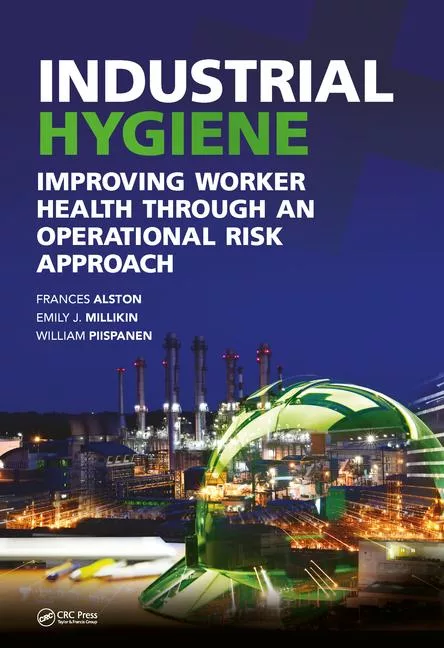
    Industrial Hygiene: Improving Worker Health through an Operational Risk Approach

  • 1118911040.jpg

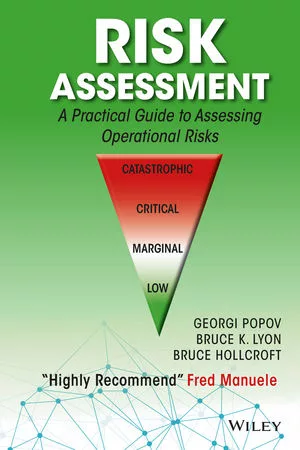
    Risk Assessment: A Practical Guide to Assessing Operational Risks

See More Products
×

Become a Leader in Safety Culture

Build your knowledge with ISHN, covering key safety, health and industrial hygiene news, products, and trends.

JOIN TODAY
  • RESOURCES
    • Advertise
    • Contact Us
    • Directories
    • Manufacturing Division
    • Store
    • Want More
  • SIGN UP TODAY
    • Create Account
    • eMagazine
    • Newsletters
    • Customer Service
    • Manage Preferences
  • SERVICES
    • Marketing Services
    • Reprints
    • Market Research
    • List Rental
    • Survey/Respondent Access
  • STAY CONNECTED
    • LinkedIn
    • Facebook
    • YouTube
    • X (Twitter)
  • PRIVACY
    • PRIVACY POLICY
    • TERMS & CONDITIONS
    • DO NOT SELL MY PERSONAL INFORMATION
    • PRIVACY REQUEST
    • ACCESSIBILITY

Copyright ©2026. All Rights Reserved BNP Media, Inc. and BNP Media II, LLC.

Design, CMS, Hosting & Web Development :: ePublishing