ISHN logo
search
cart
facebook twitter linkedin youtube
  • Sign In
  • Create Account
  • Sign Out
  • My Account
ISHN logo
  • NEWS
    • Today's News
    • Global Safety News
    • Government Regulations
  • PRODUCTS
    • Product Innovations
    • Featured Products
  • TOPICS
    • Environmental Health and Safety
    • Facility Safety
    • Workplace Health
    • Occupational Safety
    • PPE
    • More Topics
  • CONSTRUCTION
  • TECHNOLOGY
  • COLUMNS
    • Best Practices
    • Dave Johnson: What’s going on
    • Editorial Comments
    • Leading Safety
  • MULTIMEDIA
    • ISHN Podcast
    • Videos
    • Cold Stress Education Quiz
    • Webinars
    • White Papers
  • MORE
    • Buyer's Guide
    • Newsletters
    • Convention Companion
    • Polls
    • Events
    • ISHN Store
    • Sponsor Insights
  • EMAGAZINE
    • eMagazine
    • Archived Issues
    • Contact
    • Advertise
  • JOIN TODAY!
Workplace Safety Culture

Gaining executive level sponsorship for changes to your safety culture

By Dominic Cooper Ph.D., Lucas Finley MS
October 28, 2013

Web ExclusiveEditor’s note: This ISHN web exclusive is reprinted with the permission of B-Safe Management Solutions from the white paper, “Strategic Safety Culture Roadmap.” Contact BSMS at (317) 736 8980 or info@bsms-inc.com

Without clear, strong sponsorship from executive leadership and other management teams, a change process is unlikely to [a] secure the necessary resources, [b] have the means to obtain and retain the support of others, and/or [c] overcome the tendency of many to resist change.

Sponsors’ roles mean they accept overall responsibility for achieving the change process goal and benefits. This means sponsors must: [a] be people with the authority to make the change(s) happen; [b] have direct authority over those who will implement the action or change; [c] have access to and/or control over the resources (money, time and people) needed to implement the change(s); and [d] have a clear vision, identified goals and measurable outcomes for the change initiative. Planning who you want to be sponsors, and to do what is needed when necessary, is vital for success.

Inevitably, any changes to a company’s safety culture can have a profound impact on the way that company does business. Without the buy-in of the executive leadership team, any changes are unlikely to succeed. This means those promoting the change (i.e. change agents) have to build a compelling business case for the need for change and the benefits that can be realized, to obtain the buy-in of the executive leadership team.

Usually, this means considering the [a] financial aspects (e.g. how much we can reduce our operating costs, avoid property damage and reduce workers’ compensation costs from injuries, versus the costs of doing so); [b] reputational aspects (e.g. how our safety culture and safety performance compare to others in the industry); and [c] internal process aspects (e.g. how safely and efficiently we currently perform our tasks, and how much better we can be). Ideally, consideration has also been given to who the owners and sponsors of the change(s) will be, and the scale and scope of the change(s) (e.g. organization-wide or only certain business units).

Think about the best way to present a case to the executive leadership team in a compelling way, in the minimum time possible, to get the desired results. To help develop and present a sound business case and get the desired results, it is best to:

  1. be clear about the reasons for the change
  2. be clear about the outcome or result that you want
  3. specify the different options there are for resolving the issues identified from the safety assessments / data-mining exercises
  4. identify the pros and cons of each option
  5. identify and justify the benefits of your preferred options
  6. identify the risks of your preferred options and how you will minimize them
  7. contrast the benefits and risks contained in your proposal against each other to understand possible objections
  8. estimate the costs involved and include a “just in case” contingency
  9. estimate the timescales involved
  10. address any key objections
  11. try to identify key individuals who are highly committed to safety and likely to support your proposals
  12. re-evaluate everything to make sure you have covered all your bases
KEYWORDS: leadership

Share This Story

Looking for a reprint of this article?
From high-res PDFs to custom plaques, order your copy today!

Cooper is the CEO of B-Safe Management Solutions. With more than 25 years practical hands-on experience, and a past Professor of Safety and I/O Psychology at Indiana University, Bloomington he is an award winning author, a Chartered Psychologist, Associate Fellow of the British Psychological Society (BPS), Chartered Fellow of the Institute of Occupational Safety & Health (IOSH), a Member of the American Society of Safety Engineers (ASSE) and a Member of the Society of Petroleum Engineers (SPE). Dominic has written extensively on the measurement of safety performance and safety culture in both academic and practitioner journals. A world renowned behavior-based safety expert with some 160 publications to his credit, he works as a professional advisor and as a project manager for single and multi-site projects on safety culture improvement initiatives.

Finley is a senior project manager at B-Safe Management Solutionswith many years academic and practical field experience. Lucas has conducted primary research into human behaviour, safety culture and safety leadership, and obtained professional experience within the construction, healthcare, logistics, oil & gas, pharmaceutical, rail, steel and utility industries in the Americas, Europe, and the Middle East.

Recommended Content

JOIN TODAY
to unlock your recommendations.

Already have an account? Sign In

  • forklift safety

    Exploring the latest technologies in forklift safety

    With more staff and more stock in warehousing now more...
    Workplace Training Strategies
    By: Josh Cramer
  • welding

    All about welder’s flash or arc eye

    A flash burn is a painful inflammation of the cornea,...
    Environmental Health and Safety
  • dangerous jobs

    The 10 most dangerous jobs in the U.S.

    On-the-job deaths have been rising — hitting the highest...
    Transportation Safety
    By: Benita Mehta
Manage My Account
  • eMagazine Subscriptions
  • ISHN Newsletter & Other Newsletter Alerts
  • Online Registration
  • Manage My Preferences
  • Subscription Customer Service

More Videos

Sponsored Content

Sponsored Content is a special paid section where industry companies provide high quality, objective, non-commercial content around topics of interest to the ISHN audience. All Sponsored Content is supplied by the advertising company and any opinions expressed in this article are those of the author and not necessarily reflect the views of ISHN or its parent company, BNP Media. Interested in participating in our Sponsored Content section? Contact your local rep!

close
  • man wearing the the Sundström SR200 Full Face Mask Respirator
    Sponsored byOHD

    5 Fit Testing Mistakes That Could Cost You

  • This image shows Magid AcuSpex polarized blue mirrored safety glasses.
    Sponsored byMagid Glove and Safety

    Construction PPE Guide: What Crews Need for Each Task

  • lone worker in confined space
    Sponsored byAlphasense Ltd.

    GET THE LEAD OUT of your Safety Oxygen Sensors!

Popular Stories

SpaceX 7 launch

OSHA Investigating Fatal Fall at SpaceX Starbase

dust explosion

Tennessee OSHA Issues Record $3.1M Fine After Deadly Explosion at Munitions Plant

Worker Impairment

How to Tell When a Co-Worker is Impaired? A Safety Pro’s Challenge

top 10 most dangerous jobs

Poll

Seasonal Readiness

With the federal heat stress prevention rule on the horizon, which area of your safety program needs the most attention?
View Results Poll Archive

Products

Surviving an OSHA Audit A Management Guide, 2nd Edition

Surviving an OSHA Audit A Management Guide, 2nd Edition

See More Products

ISHN Podcasts

Related Articles

  • Develop policies & strategies to support the culture-building (or repair) partnership

    See More
  • Developing a “Just and Fair” culture

    See More
  • How to develop a culture of safety competency

    See More

Related Products

See More Products
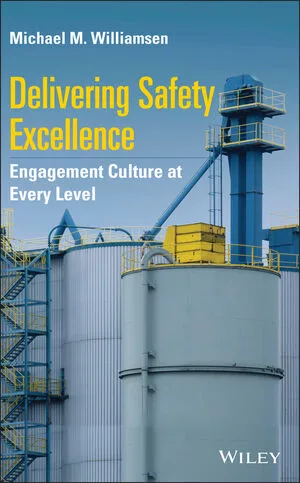
  • 1119772133.jpg

    Delivering Safety Excellence: Engagement Culture at Every Level

See More Products
×

Become a Leader in Safety Culture

Build your knowledge with ISHN, covering key safety, health and industrial hygiene news, products, and trends.

JOIN TODAY
  • RESOURCES
    • Advertise
    • Contact Us
    • Directories
    • Manufacturing Division
    • Store
    • Want More
  • SIGN UP TODAY
    • Create Account
    • eMagazine
    • Newsletters
    • Customer Service
    • Manage Preferences
  • SERVICES
    • Marketing Services
    • Reprints
    • Market Research
    • List Rental
    • Survey/Respondent Access
  • STAY CONNECTED
    • LinkedIn
    • Facebook
    • YouTube
    • X (Twitter)
  • PRIVACY
    • PRIVACY POLICY
    • TERMS & CONDITIONS
    • DO NOT SELL MY PERSONAL INFORMATION
    • PRIVACY REQUEST
    • ACCESSIBILITY

Copyright ©2026. All Rights Reserved BNP Media, Inc. and BNP Media II, LLC.

Design, CMS, Hosting & Web Development :: ePublishing