On October 1, the National Occupational Research Agenda (NORA) enters its third decade. Unveiled in 1996, NORA is a partnership program to stimulate innovative research and improved workplace practices. Through NORA, diverse parties come together to create a research framework for the nation, including stakeholders from universities, large and small businesses, professional societies, government agencies, and worker organizations. NIOSH is proud to continue its role as steward of NORA.
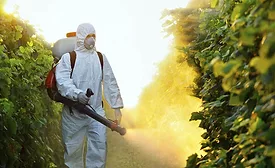
New research from North Carolina State University connects several pesticides commonly used by farmers with both allergic and non-allergic wheeze, which can be a sensitive marker for early airway problems.
In the agricultural industry, excessive dust is a fuel that can cause serious and sometimes deadly explosions and fires - as was the case at a Georgia chicken feed mill where an explosion killed a 25-year-old man and injured five others in February 2016, federal workplace safety inspectors have found.
A Florida company that transports both agricultural workers and fresh produce failed to ensure that its bus drivers were actually licensed, according to the Federal Motor Carrier Safety Administration (FMCSA), which has ordered its fleet off the road.
A tougher agricultural worker protection rule is inching closer to becoming a reality, now that the EPA has sent it to the Department of Agriculture for review.
A go-team from the National Transportation Safety Board (NTSB) is en route to Florida to investigate a bus accident Saturday that killed five people and injured 25.
The EPA is taking aim at a widely-used weed control herbicide in the U.S. in an effort to safeguard workers from exposure to it and to stop poisonings caused by accidental ingestion of it.
Wants improved training, minimum age requirements for certified applicators
August 6, 2015
The U.S. Environmental Protection Agency (EPA) is proposing stronger standards for pesticide applicators who apply “restricted-use” pesticides. These pesticides are not available for purchase by the general public, require special handling, and may only be applied by a certified applicator or someone working under his or her direct supervision.