OSHA has just announced a delay in the enforcement of compliance regarding the recently released changes to the standards for electric power generation, transmission and distribution installations (1910.269 & Subpart V).
An essential element for electrical safety and reducing electrical accidents is to ensure any electrical equipment is in an electrically safe condition before work begins.
NTSB names blame in Asiana crash, Europe surveys its aging workforce about hours and the stiffer penalties for texting while driving are favored. These were among the top EHS-related stories featured on ISHN.com this week.
ESFI releases results of industry-wide counterfeiting survey
June 25, 2014
U.S. seizures of counterfeit products have increased more than 325% over the past decade, according to the 2014 Counterfeit Electrical Products Survey by the the Electrical Safety Foundation International (ESFI), which says the counterfeits endanger everyone who uses electricity.
The Tennessee General Assembly has enacted a marina safety law intended to protect state residents from electric shock injuries and drowning deaths near marinas and boat docks.
Hazards at Boston Bridge & Steel Inc. include fall, electrical, chemical and mechanical hazards
June 11, 2014
A 46-year-old worker at a Boston steel fabrication shop died on Dec. 9, 2013, when a 12,000-pound steel bridge arch beam that he was spray painting fell and crushed him. An investigation by OSHA found that his employer, Boston Bridge & Steel Inc., failed to ensure that the fallen beam and three similar beams were adequately braced or supported to prevent them from falling while workers painted them.
OSHA cites Mass. Contractor for violations following arc blast
June 5, 2014
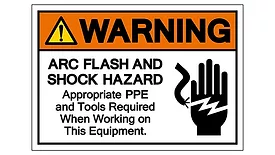
OSHA in 2012 cited Interstate Electrical Services, a North Billerica, Mass., electrical contractor, for alleged willful and serious violations following a November 2011 arc flash blast at an Andover jobsite. Two workers installing electrical service were seriously burned when a piece of equipment made contact with an energized part of an electrical panel, resulting in the arc flash.
National Fire Protection Association, National Safety Council, and Bureau of Labor Statistics data indicate that 10 arc flash accidents happen every day in the U.S. More than 3,600 disabling electrical contact injuries happen every year. Last year in Oregon two workers were seriously burned in arc flash incidents:
Why did OSHA decide to modify its standards for electric power generation, transmission, and distribution work? OSHA last issued rules for the construction of transmission and distribution installations in 1972. Those provisions were out of date and inconsistent with the more recently promulgated general industry standard covering the operation and maintenance of electric power generation, transmission, and distribution lines and equipment.
It is a widely held belief that an arc flash incident is rare. Not so. Check out these statistics compiled from various sources and pertaining to arc flash incidents in the U.S.: