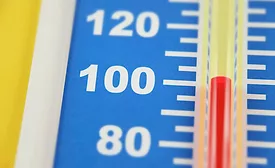
The statistics are shocking. On average, one child dies from heatstroke in a vehicle nearly every 10 days in the United States. Since 1998, there have been 760 pediatric vehicular heatstroke deaths – including 18 already this year.
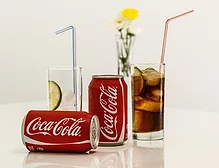
The American Heart Association (AHA) is sharply critical of a bill passed last week in California that prevents local communities in the state from adopting any new local sugary drink taxes for the next 12 years. The AHA calls Assembly Bill 1838 “a last-minute, backroom deal negotiated and written in secret by beverage industry lobbyists and their allies” and warns that it is a significant step backwards in the ongoing effort to reduce overconsumption of sugary drinks.
Add to the growing body of research on the dangers of prolonged sitting a new American Cancer Society (ACS) study which links sitting time with a higher risk of death from all causes. And- exercise doesn’t help offset that risk.
When you’re jet skiing on a hot summer day, are you thinking about hearing loss? You should be, according to the National Center for Environmental Health (NCEH) at the Centers for Disease Control and Prevention. Jet skiing is only one of the popular summertime activities that harbor hazards to your hearing.
With the 4th of July just around the corner, the National Institute for Alcohol Abuse and Alcoholism (NIAAA) wants you to have fun – but avoid risky drinking.
“Drinking impairs both physical and mental abilities, and it also decreases inhibitions—which can lead to tragic consequences on the water, on the road, and in the great outdoors,” says the NIAAA.
Foot injuries are among the most prevalent incidents in the workplace, with overexertion listed as the No. 11 most frequently reported injury, and slips and trips as the second. The effects are staggering.
The Philadelphia City Council has passed a law requiring chain restaurants operating within the city to have sodium warning labels on its menu for high-sodium items – and the American Heart Association (AHA) couldn’t be happier about it.
What is the monetary value of a person’s life? Vanderbilt economist W. Kip Viscusi says putting a price tag on the value of a person’s life makes people and products safer.
Viscusi defines the “value of statistical life” or VSL as the dollar amount that people are willing to pay to avoid an expected death tied to a faulty product or job-related accident. His current estimate of the value of statistical life is $10 million.
The U.S. Department of Labor (DOL) says its new Association Health Plans (AHP) rule will enable small companies to more easily afford to offer health insurance to their employees. The AHP – which stems from an Executive Order by President Trump, will allow small businesses, including self-employed workers, to band together by geography or industry to obtain healthcare coverage as if they were a single large employer.
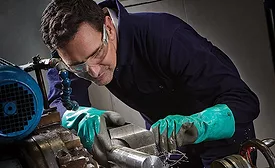
Regular laceration injuries in the workplace continue to make a compelling claim for adequate cut protection. In 2016, the Bureau of Labor Statistics showed cuts, lacerations and punctures were a leading cause of days away from work due to injury.
 RSS
RSS