With a large swath of the nation in the grip of icy cold temperatures, frostbite is a very real hazard for anyone who must spend time outdoors.
Frostbite is a serious condition that’s caused by exposure to extremely cold temperatures - a bodily injury caused by freezing that results in loss of feeling and color in affected areas.
Up to 650,000 deaths annually are associated with respiratory diseases from seasonal influenza, according to new estimates by the United States Centers for Disease Control and Prevention (CDC), WHO and global health partners.
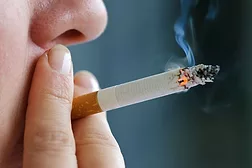
In 2015, about 49 million (one in five) U.S. adults used tobacco products every day or some days. Cigarettes were the most commonly used product. About 9.5 million adults used two or more tobacco products.
About one in five U.S. adults used some form of tobacco product in 2015, according to data published by the Centers for Disease Control and Prevention and the U.S. Food and Drug Administration’s (FDA) Center for Tobacco Products.
Lung function is a predictor of mortality in the general population, as well as in patients with lung disease, even in those who have never smoked. Maintaining lung function is an important goal in the prevention of chronic respiratory diseases and a major public health objective; yet, smoking cessation remains the main target to reduce the burden of these diseases.
If you have gone to the doctor recently with flu-like symptoms, your doctor may have advised you to stay home from work until you have recovered. But, do you know if your doctor and other health care workers also follow that advice?
In women with heart disease, constriction of peripheral vessels during mental stress affects the heart circulation more than men’s, potentially raising women’s risk of heart-related events and death, according to new research in Arteriosclerosis, Thrombosis and Vascular Biology, an American Heart Association (AHA) journal.
In most people, mental stress causes peripheral vessels to constrict. In people with heart disease, this effect can cause a reduction in blood supply to the heart muscle called “ischemia.”
From December 25 to January 1, the South Central, Mid-Atlantic, Southwest, and Southeast regions will get hit harder by the flu and colds than other regions of the country, according to projections by WebMD, a leading source of online health information.
Using a combination of geo-location data and self-reported information from consumers experiencing influenza-like symptoms such as fever, sore throat, and cough, identified the top five cities expected to be hardest hit: Austin, TX; Baltimore, MD; Fort Smith, AR/ Fayetteville, AR/ Springdale, OK/ Rogers, OK; San Diego, CA; and Charleston, SC.
The American Public Health Association (APHA) is warning that tax legislation approved by Congress “will create a dangerous environment for public health in which millions fewer Americans are insured, key health programs and agencies are desperately underfunded and income inequality is dramatically worsened.”
In a statement, the APHA said the legislations’s repeal of the individual health insurance mandate will cause deep automatic cuts to key health programs like Medicare and the Prevention and Public Health Fund.
While opioid overdose rates remain high among adults, American teens are misusing opioid pain medications less than they did a decade ago. That’s the good news from the 2017 Monitoring the Future (MTF) survey of eighth, 10th and 12th graders in schools nationwide. The bad news? More kids are “vaping” – and they’re not really sure what’s in that mist that they’re inhaling.
In the early 1900s, a young dentist named Frederick McKay moved to a Colorado town where the residents’ teeth — though in some cases stained chocolate brown — had far less decay than was typical back then. He and other researchers eventually linked the phenomenon to fluoride in the town’s drinking water – a eureka moment that would usher in what is often called one of the 10 great public health achievements of the 20th century.
 RSS
RSS