Research by J. J. Keller & Associates, Inc. has revealed that 87% of environmental health and safety (EHS) professionals have some environmental responsibilities.
Growing productivity has come with an increasing waste problem for manufacturing and heavy industry. The industrial sector produces more garbage than ever, and the task of disposing of it is often difficult, unsafe and inefficient. Failing to manage refuse properly can also come with significant consequences — fines, environmental damage and long-term health problems.
OSHA’s Hazardous Waste Operations and Emergency Response (HAZWOPER 29 CFR 1910.120, 1926.65, EPA 40 CFR 311), aims at preventing or minimizing worker exposure to hazards during operations and emergency response to unplanned events such as releases or spills. It mandates training for various categories of workers including the First Responder.
The United States produces around 265 million metric tons of hazardous waste every year. With ongoing incidents, hazardous waste containment and disposal have become an increasing concern in recent times.
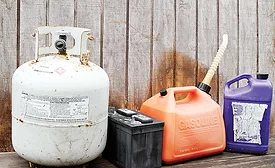
Throwing household waste such as small batteries, cleaning products, and light bulbs in the trash may not be environmentally friendly behavior, but in most cases, it’s not against the law. However, businesses face many more limitations and regulations on what can and can’t be thrown away.
To help EHS professionals keep up with major changes to the US EPA’s hazardous waste regulations, Lion Technology this week launched the live, interactive Hazardous Waste Generator Improvements Rule Webinar.
In early August, an error by personnel supervised by the EPA caused millions of gallons of mine waste to pour into a Colorado river that provides drinking water for thousands of nearby residents.