Since 2016, General Motors has fought orders to replace allegedly defective Takata airbags in over six million of its pickup trucks and SUVs, arguing in a series of petitions that the recall is unnecessary because the airbags are safe. Four years after receiving the first of the petitions, the National Highway Traffic Safety Administration (NHTSA) has yet to rule on them, leaving owners of the vehicles in limbo.
U.S. transportation officials are seeking to ease deployment of driverless cars by amending certain safety standards, drawing strong protest from groups who say the move is premature because the safety of self-driving technology is unproven.
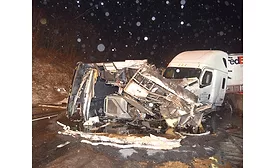
The National Transportation Safety Board (NTSB) has determined the sequence of events involved in a spectacular multi-vehicle crash on the Pennsylvania Turnpike last month – one that killed five people and injured dozens more.
The deadly chain reaction occurred on Jan. 5 in the westbound lanes of Interstate 70 near Mount Pleasant, Westmoreland County, Pennsylvania, amid light snow (the roadway had been treated).
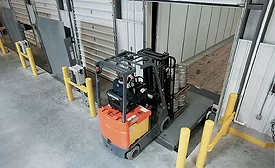
America’s workforce is aging. According to AARP, nearly half of new jobs in the U.S. last year were filled by workers 55 years or older. Due largely to ongoing labor shortages, this disproportionately small demographic accounted for more than 1.4 million of the 2.9 million new jobs in 2018, many of them in the fast-growing sector of warehousing and distribution centers.
Federal agencies propose changes to regulations meant to avoid trucker fatigue and silica exposure; napping at work becomes more popular and researchers uncover a link between insomnia and heart disease. These were among the top occupational safety and health stories featured on ISHN.com this week.
The U.S. Department of Transportation’s Federal Transit Administration (FTA) is making up to $55 million in grants available to local transit agencies that bring American-made technologies like battery electric power and hydrogen fuel cells into their bus services.
Three years ago, General Motors chief executive Mary Barra admitted that for years the automaker had concealed an ignition-switch defect, which has now been linked to at least 124 deaths. And she assured federal regulators that there would be a new pro-safety and pro-consumer attitude at the company.