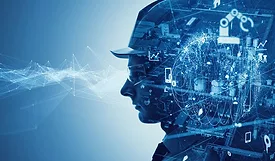
A performer is anything in the system that can take action, influence outcomes, and introduce variability. Historically, that performer has been human. Now, it isn’t only human.
Documentation satisfies compliance requirements, but it rarely gives safety leaders a clear view of where risk is building across sites, shifts, or assets.
Phil Molé, an EHS and Sustainability Expert at VelocityEHS, delves into the pitfalls of injury and illness recordkeeping and how organizations can shift from a "compliance checkbox" mentality to a proactive, risk-focused strategy.
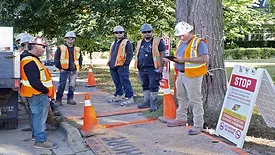
OSHA 1926.651 specifically addresses excavation requirements for underground utility installation projects. Here’s an overview of how to ensure compliance.
ISHN recently interviewed Mark Katchen, MBA, MS, CIH, founder and CEO of The Phylmar Group, on the ethical consequences of EHS budget cuts and low levels of trust and engagement in organization.
High-hazard work doesn’t get safer by accident. It gets safer because crews pause, think together, and agree on how to control energy and uncertainty before any work begins. That’s the job of the pre-job brief.
In high-risk industries such as energy, utilities, construction, and industrial services, verification should be treated as a capability that directly improves operational outcomes.
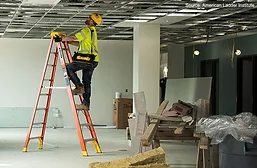
The American Ladder Institute (ALI) offers free online ladder safety training that can make the professional lives of EHS managers/safety directors much easier.
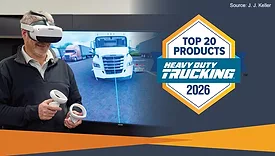
The editors of Heavy Duty Trucking have named the Virtual Reality Training Solution from J. J. Keller & Associates, Inc. as a Heavy Duty Trucking (HDT) 2026 Top 20 Product, honoring the best new or significantly improved products introduced to the trucking industry in 2025.
 RSS
RSS