OSHA Cold-Weather Compliance: Safety Protocols for Equipment Operators in Sub-Freezing Conditions
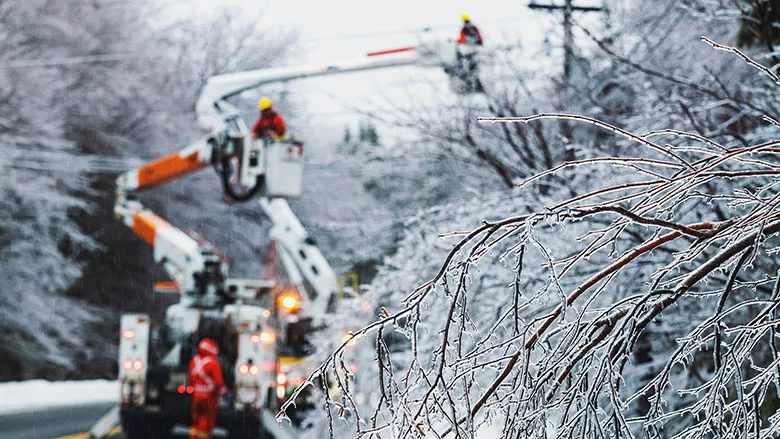
Photo credit: shaunl / E+ / Getty Images Plus
As a safety manager, you understand that OSHA cold weather compliance is the baseline in sub-freezing environments. Overseeing crews of heavy equipment operators means implementing a dynamic safety strategy to anticipate and neutralize compounded risks. If you have strong policies in place, you fortify personnel and machinery. Here is a guide to winter safety protocols for heavy equipment.
How to Ensure OSHA Cold Weather Compliance
Demonstrating compliance involves an auditable framework of documented and enforced protocols. When you have a foundational layer, you ensure on-the-ground action and verifiable records. These five strategies can help build an OSHA-compliant infrastructure for your heavy equipment operators.
1. Recognizing Cold Stress
Protecting workers starts with recognizing cold stress, which causes your body to lose heat faster. OSHA says employers must protect workers from recognized hazards that cause death or serious physical harm. Cold stress is included under the OSH Act of 1970, so it is wise to understand prevention. Here are a few strategies to protect employees:
- Provide snacks that fuel the body while working on heavy machinery.
- Serve hot beverages and avoid alcoholic drinks.
- Schedule frequent short breaks.
- Assign work in pairs.
- Work during the warmest time of day.
2. Properly Training Workers
Supervisors should train their employees on cold-weather equipment operator hazards. First, focus on physiological signs and the associated risks. For example, your workers could experience frostbite if they stay in freezing temperatures for too long. Symptoms include reddening skin and white patches on fingers. You should also teach them about environmental hazards, such as slippery surfaces and reduced visibility.
3. Implementing Safe Practices
Safety is essential year-round, though practices change during the wintertime. Operators should prioritize PPE to heighten insulation, especially considering it’s an OSHA standard. Waterproof and wind-resistant clothing is the standard, even if temperatures are above freezing. Safe practices also apply to equipment handling, as employees should use three points of contact — keep at least two feet and one hand on the machinery when mounting and dismounting.
4. Providing Engineering Controls
OSHA says sub-freezing equipment operation requires teaching engineering controls. This step is necessary to isolate workers from hazards and protect them from the cold. Examples include providing heated enclosures during breaks and fully heated cabs during operation. Jobsites should have warming stations and shelters to minimize the impact of wind chill. Supervisors could also use radiant heaters to thaw icy work surfaces.
5. Dressing in Proper Clothing
Hypothermia can occur even if temperatures are above 40° Fahrenheit, so warm clothing is essential to prevent cold stress. Heavy equipment operators should wear multiple layers, with at least one made to wick moisture. While warmth is a priority, avoid tight-fitting clothes because they can reduce circulation. Encourage all workers to bring extra clothes in case their usual work garments get wet.
Heavy Equipment Winter Safety Protocols
Operating heavy equipment in the winter introduces mechanical challenges that can impact site safety and productivity. Extreme weather can affect machines and the people who use them. Follow these five tips to comply with OSHA and protect your workers.
Using the Proper Fuel
Operators must use high-quality winter diesel once cold weather arrives. Experts recommend matching conditioners and fuel type and ensuring manufacturer approval. Blending No. 1 and No. 2 diesel is standard for heavy equipment operators and for winter construction safety standards. This strategy lowers the paraffin wax content and the cloud point.
Checking Battery Health
Batteries must be stored between 40° Fahrenheit and 70° Fahrenheit — otherwise, you risk damage. These components rely on thin electrolyte fluids, though cold weather makes them thicker. Safety managers must conduct daily inspections of terminals and casings. Operators should bring voltmeters and load testers to test high-current loads, such as during engine start.
Inspecting the Fluids
Winter safety protocols should also include inspecting fluids in heavy equipment. Besides the fuel type, safety managers must check the engine oil’s viscosity as the temperature drops. Prioritize 5W-40 or 0W-40 oil because these types flow better in cold weather. Coolant and hydraulic fluid are other essential benchmarks due to their tendency to thicken. These components must have the proper viscosity before placing machines under working loads.
Protecting Lights
OSHA cold weather compliance involves following all rules regarding automobiles. For example, 1926.6001(a)(1) says operators must provide lights or reflectors on unattended equipment at night. This rule is essential to prevent these machines from shifting or falling during icy conditions. Rain or snow can create unstable surfaces and increase the risk of damage to equipment.
Deicing All Surfaces
Another relevant OSHA rule regarding sub-freezing equipment operation is 1926.600(a)(5). The agency says all cabs must have safety glass without visible distortion. Operators must be able to see clearly in the winter, so defrosters and wipers are necessary. They also need a comfortable cab to protect their extremities and maintain focus while using heavy equipment.
Why Winter Construction Safety Standards Are Essential
Weather experts say the U.S. experiences around 19 blizzards annually, emphasizing the need for safe working conditions. Protecting workers from frostbite is the top priority, as it can lead to severe health conditions. Hypothermia and frostbite can occur more quickly than people realize, so following OSHA guidance is essential. Follow standards for deicing, clearing pathways and improving traction.
Safety managers must be conscious of OSHA rules year-round, especially in winter. The Bureau of Labor Statistics said construction accounted for 20% of workplace deaths, with 38.4% of those deaths caused by falls, trips and slips. Ice and snow create treacherous conditions for workers, which can lead to injuries. Combine that with safe equipment operations to avoid catastrophic events stemming from battery issues and braking problems.
Protecting workers is essential to morale and productivity. If your employees are safe, they feel more comfortable performing their jobs. A 2022 survey said 90% of American workers believe their organization must protect employees from unnecessary harm. Safe workplaces benefit from lower insurance premiums and liability. They are also at a lower risk for OSHA fines and stop-work orders.
Understanding OSHA Cold Weather Compliance in Construction
Strategic foresight is necessary to conquer sub-freezing conditions and protect heavy equipment operators. Workers benefit from a strong, comprehensive safety culture. Effective safety programs support personnel from the physiological threats and mechanical vulnerabilities. Robust training, engineering controls and detailed protocols are the basis of a proactive approach in the winter.
Looking for a reprint of this article?
From high-res PDFs to custom plaques, order your copy today!