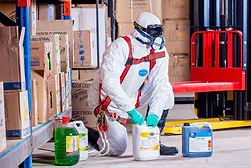
According to OSHA statistics, 5,333 people died on the job in 2019 alone due to a workplace accident. With numbers like these, addressing accessibility and safety concerns in industrial spaces is vital.
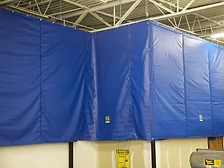
Loud noises from machinery, tools and assembly processes are an inherent part of many industrial workplaces. However, neither the short- nor long-term consequences of prolonged noise exposure are something employees should accept.
Today, when thinking about safety footwear, it is essential to consider comfort and fit along with protection against common hazards like slips, trips, falls and puncture wounds.
People are working longer for many reasons, including the need or desire to continue generating income and the inability to afford early retirement.. Regardless of their motivation, these employees have decades of experience, and it shows in the wear and tear on their bodies and joints.
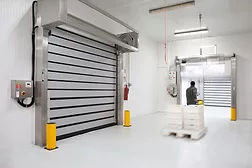
When managing a cold storage warehouse, the top priority is keeping the goods within the required temperature range to avoid spoilage that could sicken consumers and upset clients. That’s a crucial aim, but it’s also vital to protect the workers and the building itself. Here are some practical ways to do that.
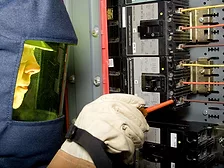
NFPA 70E® training protects employees from electrical hazards in the workplace. Training is required for both “qualified persons” and “non-qualified persons.” However, many facility managers and line supervisors are uncertain or confused by these definitions.
Industrial employers trying to keep frontline workers safe and healthy on the job during the pandemic are getting a boost from innovations in connected technology like wearables. These Wifi-enabled devices are collecting new data points and enabling actionable insights that help streamline and target workplace safety measures.
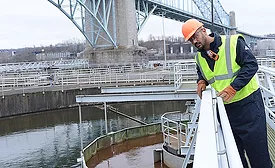
Wastewater plants are full of confined spaces, like recirculation pits, clarifier tanks, and wet wells. These spaces alone can be hazardous, and the danger only increases when you consider the gases that can permeate the air at wastewater treatment facilities.
Digital transformation of the industrial workforce is also driving greater efficiencies and ultimately will lead to a more prescriptive approach to plant and worker safety.
 RSS
RSS