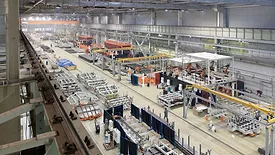
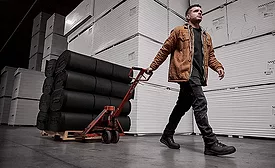
Applying anti-slip coatings on the flooring in a warehouse is a proactive way to help people stay safe. These facilities typically have high-traffic areas, and appropriate flooring ensures individuals have the traction needed to move efficiently through the space.
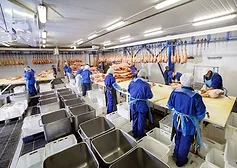
A lawsuit by meat plant workers against the Occupational Health and Safety Administration, claiming the agency failed to protect them from COVID-19, has been dismissed by a Pennsylvania federal judge.
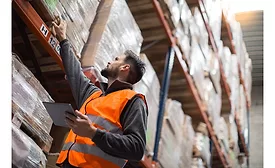
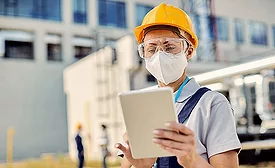
As the pandemic continues, warehouse workers are still adapting. In particular, social distancing is essential to prevent the spread of the virus, keep employees safe, and maintain operations.
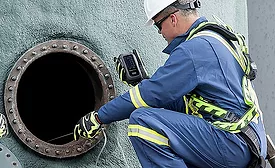
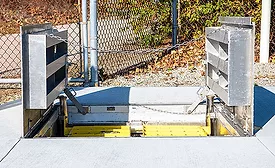
Testing for hazardous gases can be a challenge in the workplace. Invisible, odorless gases can be difficult to detect, which is why it’s important to test the air before entering the space.
Indoor manufacturing, warehousing and distribution environments tend to be fast-paced, with often long hours of standing and movement. Flat, hard surfaces may lead to foot fatigue, as well as knee and back pain.
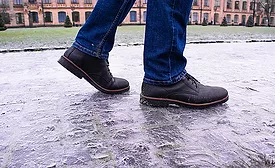
Changing seasons can bring a plethora of hazards to a workplace, especially when it comes to winter weather. Some of the most common accidents that can occur as a result of winter conditions are slips, trips and falls.
Employees working at water treatment plants face danger every day. The work is inherently treacherous, as water makes every step potentially hazardous, and sometimes even life-threatening.
Last March, even the most experienced safety professionals couldn’t have foreseen what construction job sites would look like today. Along with the introduction of even more stringent safety protocols came a slew of new technologies.
Despite two severe amputation injuries in 2018 and 2020 on the same machine at a Lakewood, New Jersey, ice cream manufacturing plant, a recent federal safety and health inspection found the company continued to ignore protocols designed to prevent other workers from suffering similar injuries.
The COVID-19 pandemic has affected nearly every aspect of our lives, as well as virtually every industry on Earth. For starters, we’ve seen numerous disruptions to the food supply chain, in addition to increased reports of contaminated meat and poor working conditions in factory farms.
 RSS
RSS