ISHN logo
search
cart
facebook twitter linkedin youtube
  • Sign In
  • Create Account
  • Sign Out
  • My Account
ISHN logo
  • NEWS
    • Today's News
    • Global Safety News
    • Government Regulations
  • PRODUCTS
    • Product Innovations
    • Featured Products
  • TOPICS
    • Environmental Health and Safety
    • Facility Safety
    • Workplace Health
    • Occupational Safety
    • PPE
    • More Topics
  • CONSTRUCTION
  • TECHNOLOGY
  • COLUMNS
    • Best Practices
    • Dave Johnson: What’s going on
    • Editorial Comments
    • Leading Safety
  • MULTIMEDIA
    • ISHN Podcast
    • Videos
    • Cold Stress Education Quiz
    • Webinars
    • White Papers
  • MORE
    • Buyer's Guide
    • Newsletters
    • Convention Companion
    • Polls
    • Events
    • ISHN Store
    • Sponsor Insights
  • EMAGAZINE
    • eMagazine
    • Archived Issues
    • Contact
    • Advertise
  • JOIN TODAY!

When industrial hygiene meets human resources

May 18, 2000
I used to think that once an employer improved working conditions to meet minimum OSHA requirements, primarily through proper material selection and engineering controls, an industrial hygienist’s job was mostly done. After all, why would an employer need an industrial hygienist if all the occupational health hazards are under control? But the fact of the matter is that what OSHA expects and what an employee expects are two distinct issues. OSHA’s expectations are mostly directed at health hazards with adverse physical and pathological impacts on employees. An employee’s expectations for a healthy work environment weigh heavily toward the psychological impact. What an employee thinks about his or her work environment is most important in whether or not you’ll hear complaints.

Not long ago I met with a group of manufacturing employees who were concerned about the amount of metalworking fluid in the air. I first looked at metalworking fluid exposure, such as oil mist, at this facility about ten years ago. Back then, I’d classify the work areas as typical: dull color on walls, floors, and machines; marginal lighting with shadows; somewhat dirty surfaces; spotty and often poorly designed exhaust ventilation at the machining operations; and so on. Oil mist was found back then to be just below OSHA’s limit of 5 mg/m3.

Fast forward to today. The manufacturing areas are brightly painted, the floor shines, work areas are well illuminated, all machines have very good local exhaust, and the amount of metalworking fluid in the air is now less than 0.1 mg/m3. The work area is neat and clean with no observable health hazards. But are the employees happy? In a word, no. Over the years they saw continual improvement in their work environment, so it’s natural they should expect and seek more improvement. But what do they want? Talking one-on-one with each of them and putting the pieces together, I believe they want what any office worker would want – a clean, odor-free, controlled temperature and humidity work area; natural lighting where possible; and it’s not too farfetched to even have pictures, flowers, and plants nearby. Why shouldn’t someone working in a manufacturing environment have not only healthy but aesthetically pleasing surroundings?

If this case was unique I wouldn’t get too excited. But it’s not. I see it happening more and more, and so do other health and safety professionals. There are many reasons for this trend, not the least of which is hiring and retaining good workers. Given the option, and all else being equal, almost every employee would choose to work in a neat and clean environment as opposed to a dirty one.

The new reality

So how does an industrial hygienist meet the rising occupational health expectations of employees in manufacturing? Here are a few thoughts: ·
  • First of all, this trend should remind health and safety professionals that OSHA standards and consensus guidelines are a beginning and not an end. Improvement is a continual process with ever-higher expectations. ·
  • Classical industrial hygienists should spend more time learning new indoor air quality sampling and improvements, such as found in offices, and apply them to manufacturing settings where practical. Sampling will have to be more sensitive because measurements for many chemicals will be near the limit of analytical detection. ·
  • A better understanding of heating, ventilating, and air conditioning (HVAC) systems will be needed. ·
  • Odor control will need to be better understood. ·
  • Safety and health professionals will have to pay more attention to employee psychological factors. Why aren’t employees happy with the work environment? What would make them happier? Are their requests reasonable? Would the request be unreasonable if it was made by an office worker? ·
  • Selling management on workplace improvements when you don’t have the force of law behind you will require better business and negotiating skills. How much less productive is an unhappy employee? Is an unhappy employee more likely to miss work, produce bad parts, leave and create turnover problems? ·
  • A line may need to be drawn somewhere. If OSHA standards are no longer meaningful, what standards should your company adopt, if any? Limits that are one-half of OSHA’s permissible exposures? One-third? One-tenth? What about workplace standards for environmental factors that OSHA does not enforce, such as the color of walls? ·
  • Measuring employee satisfaction with working conditions may be more important than environmental measures. ·
  • Be ready to work more in gray areas regarding "acceptable" working conditions. Specific limits will have less meaning. Certainly some people will contend that minimum compliance with OSHA health standards is enough -- if an employee doesn’t like the look or "feel" of the work environment, perhaps it’s best if they find work elsewhere. Modern management and manufacturing methods, though, view the employee as a customer, and the employee’s satisfaction in all matters is important.

    More and more, employees will expect and demand pleasing work environments, not just ones free of health hazards. With all the things you’re required to do at work, I bet you never thought your job description would someday include helping to make sure that employees are happy with their work environment.

Share This Story

Looking for a reprint of this article?
From high-res PDFs to custom plaques, order your copy today!

Recommended Content

JOIN TODAY
to unlock your recommendations.

Already have an account? Sign In

  • forklift safety

    Exploring the latest technologies in forklift safety

    With more staff and more stock in warehousing now more...
    Facility Safety
    By: Josh Cramer
  • welding

    All about welder’s flash or arc eye

    A flash burn is a painful inflammation of the cornea,...
    Environmental Health and Safety
  • dangerous jobs

    The 10 most dangerous jobs in the U.S.

    On-the-job deaths have been rising — hitting the highest...
    Occupational Safety
    By: Benita Mehta
Manage My Account
  • eMagazine Subscriptions
  • ISHN Newsletter & Other Newsletter Alerts
  • Online Registration
  • Manage My Preferences
  • Subscription Customer Service

More Videos

Sponsored Content

Sponsored Content is a special paid section where industry companies provide high quality, objective, non-commercial content around topics of interest to the ISHN audience. All Sponsored Content is supplied by the advertising company and any opinions expressed in this article are those of the author and not necessarily reflect the views of ISHN or its parent company, BNP Media. Interested in participating in our Sponsored Content section? Contact your local rep!

close
  • man wearing the the Sundström SR200 Full Face Mask Respirator
    Sponsored byOHD

    5 Fit Testing Mistakes That Could Cost You

  • This image shows Magid AcuSpex polarized blue mirrored safety glasses.
    Sponsored byMagid Glove and Safety

    Construction PPE Guide: What Crews Need for Each Task

  • lone worker in confined space
    Sponsored byAlphasense Ltd.

    GET THE LEAD OUT of your Safety Oxygen Sensors!

Popular Stories

SpaceX 7 launch

OSHA Investigating Fatal Fall at SpaceX Starbase

Automated loading dock equipment

After March 2026 Rivian Death, Safety Managers Reassess Loading Dock Systems Under OSHA's Warehouse Emphasis Program

psychology in the workplace

Most Workplaces Measure Psychological Safety, Ignoring Psychosocial Risks

top 10 most dangerous jobs

Poll

Seasonal Readiness

With the federal heat stress prevention rule on the horizon, which area of your safety program needs the most attention?
View Results Poll Archive

Products

Surviving an OSHA Audit A Management Guide, 2nd Edition

Surviving an OSHA Audit A Management Guide, 2nd Edition

See More Products

ISHN Podcasts

Related Articles

  • Industrial Scientific welcomes Lisa Brooks as Vice President of Human Resources

    See More
  • Can safety learn from human resources?

    See More
  • AIHA to issue lists of resources, contacts for industrial hygiene aid in Haiti (1/19)

    See More

Related Products

See More Products
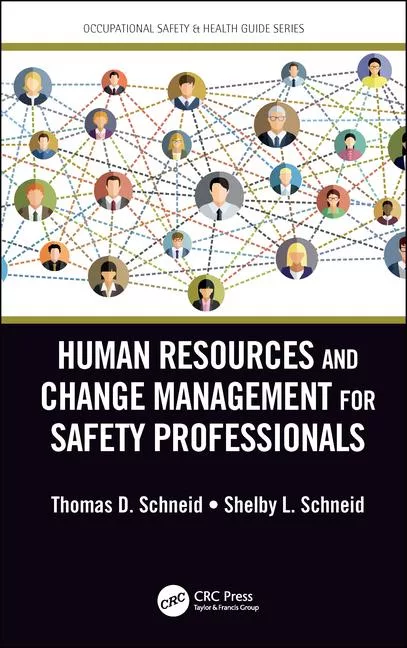
  • human resources.jpg

    Human Resources and Change Management for Safety Professionals

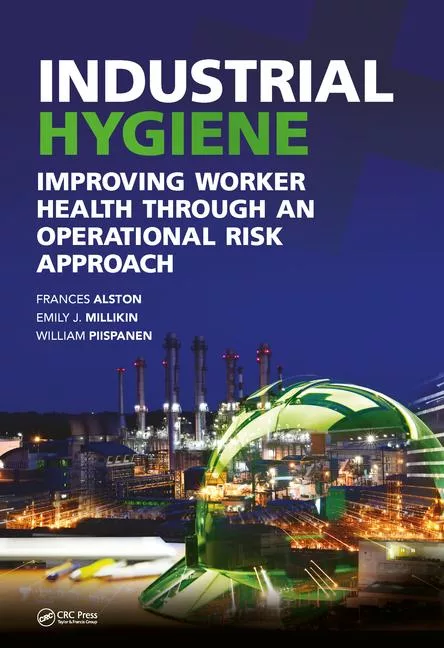
  • industrial hy.jpg

    Industrial Hygiene: Improving Worker Health through an Operational Risk Approach

  • ISHN Instrument & Controls Industrial Hygiene Buyers Guide

See More Products

Related Directories

  • American Industrial Hygiene Assn. (AIHA)

    AIHA is the association for scientists and professionals committed to preserving and ensuring occupational and environmental health and safety in the workplace and community. We support our members with our expertise, networks, comprehensive education programs, and other products and services that help them maintain the highest professional and competency standards.
×

Become a Leader in Safety Culture

Build your knowledge with ISHN, covering key safety, health and industrial hygiene news, products, and trends.

JOIN TODAY
  • RESOURCES
    • Advertise
    • Contact Us
    • Directories
    • Manufacturing Division
    • Store
    • Want More
  • SIGN UP TODAY
    • Create Account
    • eMagazine
    • Newsletters
    • Customer Service
    • Manage Preferences
  • SERVICES
    • Marketing Services
    • Reprints
    • Market Research
    • List Rental
    • Survey/Respondent Access
  • STAY CONNECTED
    • LinkedIn
    • Facebook
    • YouTube
    • X (Twitter)
  • PRIVACY
    • PRIVACY POLICY
    • TERMS & CONDITIONS
    • DO NOT SELL MY PERSONAL INFORMATION
    • PRIVACY REQUEST
    • ACCESSIBILITY

Copyright ©2026. All Rights Reserved BNP Media, Inc. and BNP Media II, LLC.

Design, CMS, Hosting & Web Development :: ePublishing