ISHN logo
search
cart
facebook twitter linkedin youtube
  • Sign In
  • Create Account
  • Sign Out
  • My Account
ISHN logo
  • NEWS
    • Today's News
    • Global Safety News
    • Government Regulations
  • PRODUCTS
    • Product Innovations
    • Featured Products
  • TOPICS
    • Environmental Health and Safety
    • Facility Safety
    • Workplace Health
    • Occupational Safety
    • PPE
    • More Topics
  • CONSTRUCTION
  • TECHNOLOGY
  • COLUMNS
    • Best Practices
    • Dave Johnson: What’s going on
    • Editorial Comments
    • Leading Safety
  • MULTIMEDIA
    • ISHN Podcast
    • Videos
    • Cold Stress Education Quiz
    • Webinars
    • White Papers
  • MORE
    • Buyer's Guide
    • Newsletters
    • Convention Companion
    • Polls
    • Events
    • ISHN Store
    • Sponsor Insights
  • EMAGAZINE
    • eMagazine
    • Archived Issues
    • Contact
    • Advertise
  • JOIN TODAY!

Is your brain healthy?

This quick test may help you determine your stroke risk

December 23, 2014

Struggling to balance on one leg for 20 seconds or longer was linked to an increased risk for small blood vessel damage in the brain and reduced cognitive function in otherwise healthy people with no clinical symptoms, according to new research in the American Heart Association’s journal Stroke.
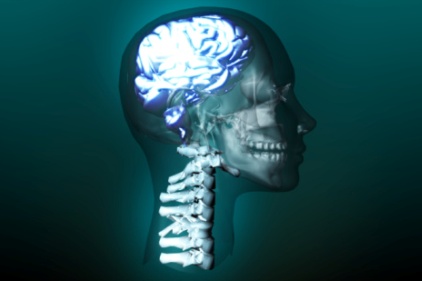
brain“Our study found that the ability to balance on one leg is an important test for brain health,” said Yasuharu Tabara, Ph.D., lead study author and associate professor at the Center for Genomic Medicine at Kyoto University Graduate School of Medicine in Kyoto, Japan. “Individuals showing poor balance on one leg should receive increased attention, as this may indicate an increased risk for brain disease and cognitive decline.”

The study consisted of 841 women and 546 men, average age of 67. To measure one-leg standing time, participants stood with their eyes open and raised one leg. The maximum time for keeping the leg raised was 60 seconds. Participants performed this examination twice and the better of the two times was used in the study analysis. Cerebral small vessel disease was evaluated using brain magnetic resonance imaging.

Researchers found that the inability to balance on one leg for longer than 20 seconds was associated with cerebral small vessel disease, namely small infarctions without symptoms such as lacunar infarction and microbleeds. They noted that:

  • 34.5 percent of those with more than two lacunar infarction lesions had trouble balancing.
  • 16 percent of those with one lacunar infarction lesion had trouble balancing.
  • 30 percent of those with more than two microbleed lesions had trouble balancing.
  • 15.3 percent one microbleed lesion had trouble balancing.

Some risk factors

Overall, those with cerebral diseases were older, had high blood pressure and had thicker carotid arteries than those who did not have cerebral small vessel disease. However, after adjustment for these covariates, people with more microbleeds and lacunar infarctions in the brain had shorter one-legged standing times. Short one-legged standing times were also independently linked with lower cognitive scores.

Although previous studies have examined the connection between gait and physical abilities and the risk of stroke, this is among the first study to closely examine how long a person can stand on one leg as an indication of their overall brain health.

“One-leg standing time is a simple measure of postural instability and might be a consequence of the presence of brain abnormalities,” said Tabara.

Age played a part

Small vessel disease occurs due to microangiopathy of arterioles in the brain, making these arteries less flexible, which can interfere with blood flow. Small vessel disease typically increases with age. Loss of motor coordination, including balance, as well as cognitive impairment has been suggested to represent subclinical brain damage. Tabara and colleagues also found a strong link between struggling to stand on one leg and increased age, with marked shorter one-leg standing time in patients age 60 and over.

Although the study did not assess participants’ histories of falling or physical fitness issues, such as how fast they could walk or any gait abnormalities, Tabara said the one-leg standing test is an easy way to determine if there are early signs of being at risk for a stroke and cognitive impairment and whether these patients need additional evaluation.

Co-authors areYoko Okada, M.D., Ph.D.; Maya Ohara, M.D.; Eri Uetani, M.D., Ph.D.; Tomoko Kido, M.D., Ph.D.; Namiko Ochi, M.D., Ph.D.; Tokihisa Nagai, M.D., Ph.D.; Michiya Igase, M.D., Ph.D.; Tetsuro Miki, M.D., Ph.D.; Fumihiko Matsuda, Ph.D.; and  Katsuhiko Kohara, M.D., Ph.D.

KEYWORDS: American Heart Association (AHA)

Share This Story

Looking for a reprint of this article?
From high-res PDFs to custom plaques, order your copy today!

Recommended Content

JOIN TODAY
to unlock your recommendations.

Already have an account? Sign In

  • forklift safety

    Exploring the latest technologies in forklift safety

    With more staff and more stock in warehousing now more...
    Facility Safety
    By: Josh Cramer
  • welding

    All about welder’s flash or arc eye

    A flash burn is a painful inflammation of the cornea,...
    Environmental Health and Safety
  • dangerous jobs

    The 10 most dangerous jobs in the U.S.

    On-the-job deaths have been rising — hitting the highest...
    Occupational Safety
    By: Benita Mehta
Manage My Account
  • eMagazine Subscriptions
  • ISHN Newsletter & Other Newsletter Alerts
  • Online Registration
  • Manage My Preferences
  • Subscription Customer Service

More Videos

Sponsored Content

Sponsored Content is a special paid section where industry companies provide high quality, objective, non-commercial content around topics of interest to the ISHN audience. All Sponsored Content is supplied by the advertising company and any opinions expressed in this article are those of the author and not necessarily reflect the views of ISHN or its parent company, BNP Media. Interested in participating in our Sponsored Content section? Contact your local rep!

close
  • man wearing the the Sundström SR200 Full Face Mask Respirator
    Sponsored byOHD

    5 Fit Testing Mistakes That Could Cost You

  • This image shows Magid AcuSpex polarized blue mirrored safety glasses.
    Sponsored byMagid Glove and Safety

    Construction PPE Guide: What Crews Need for Each Task

  • lone worker in confined space
    Sponsored byAlphasense Ltd.

    GET THE LEAD OUT of your Safety Oxygen Sensors!

Popular Stories

SpaceX 7 launch

OSHA Investigating Fatal Fall at SpaceX Starbase

Automated loading dock equipment

After March 2026 Rivian Death, Safety Managers Reassess Loading Dock Systems Under OSHA's Warehouse Emphasis Program

psychology in the workplace

Most Workplaces Measure Psychological Safety, Ignoring Psychosocial Risks

top 10 most dangerous jobs

Poll

Seasonal Readiness

With the federal heat stress prevention rule on the horizon, which area of your safety program needs the most attention?
View Results Poll Archive

Products

Surviving an OSHA Audit A Management Guide, 2nd Edition

Surviving an OSHA Audit A Management Guide, 2nd Edition

See More Products

ISHN Podcasts

Related Articles

  • depression

    Long-term depression could increase your stroke risk

    See More
  • How to lower your stroke risk

    See More
  • How to lower your stroke risk

    See More

Related Directories

  • Magid Glove and Safety

    As your true partner in safety, our mission is to provide the expertise and revolutionary innovations in PPE that help you keep your workers safe. The relationships we build with our customers drive everything we do as we get to know you and your unique needs. Our skilled manufacturing provides the latest innovations and technologies in PPE that you can’t get anywhere else. Our worldwide network of suppliers gives you access to the top brands in safety. We have everything you need to increase safety, reduce spend, and supercharge your workers! Since 1946, fourth generation and family-owned, safety isn't just a job, it's our legacy.
×

Become a Leader in Safety Culture

Build your knowledge with ISHN, covering key safety, health and industrial hygiene news, products, and trends.

JOIN TODAY
  • RESOURCES
    • Advertise
    • Contact Us
    • Directories
    • Manufacturing Division
    • Store
    • Want More
  • SIGN UP TODAY
    • Create Account
    • eMagazine
    • Newsletters
    • Customer Service
    • Manage Preferences
  • SERVICES
    • Marketing Services
    • Reprints
    • Market Research
    • List Rental
    • Survey/Respondent Access
  • STAY CONNECTED
    • LinkedIn
    • Facebook
    • YouTube
    • X (Twitter)
  • PRIVACY
    • PRIVACY POLICY
    • TERMS & CONDITIONS
    • DO NOT SELL MY PERSONAL INFORMATION
    • PRIVACY REQUEST
    • ACCESSIBILITY

Copyright ©2026. All Rights Reserved BNP Media, Inc. and BNP Media II, LLC.

Design, CMS, Hosting & Web Development :: ePublishing