ISHN logo
search
cart
facebook twitter linkedin youtube
  • Sign In
  • Create Account
  • Sign Out
  • My Account
ISHN logo
  • NEWS
    • Today's News
    • Global Safety News
    • Government Regulations
  • PRODUCTS
    • Product Innovations
    • Featured Products
  • TOPICS
    • Environmental Health and Safety
    • Facility Safety
    • Workplace Health
    • Occupational Safety
    • PPE
    • More Topics
  • CONSTRUCTION
  • TECHNOLOGY
  • COLUMNS
    • Best Practices
    • Dave Johnson: What’s going on
    • Editorial Comments
    • Leading Safety
  • MULTIMEDIA
    • ISHN Podcast
    • Videos
    • Cold Stress Education Quiz
    • Webinars
    • White Papers
  • MORE
    • Buyer's Guide
    • Newsletters
    • Convention Companion
    • Polls
    • Events
    • ISHN Store
    • Sponsor Insights
  • EMAGAZINE
    • eMagazine
    • Archived Issues
    • Contact
    • Advertise
  • JOIN TODAY!
Today's Safety NewsWorkplace Health

An avocado a day may help keep bad cholesterol at bay
January 9, 2015

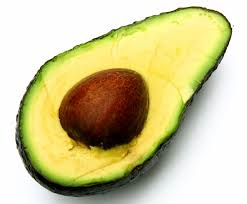
avacadoEating one avocado a day as part of a heart healthy, cholesterol-lowering moderate-fat diet can help improve bad cholesterol levels in overweight and obese individuals, according to new research published in the Journal of the American Heart Association.

Researchers evaluated the effect avocados had on traditional and novel cardiovascular risk factors by replacing saturated fatty acids from an average American diet with unsaturated fatty acids from avocados.

Forty-five healthy, overweight or obese patients between the ages of 21 and 70 were put on three different cholesterol-lowering diets. Participants consumed an average American diet (consisting of 34 percent of calories from fat, 51 percent carbohydrates, and 16 percent protein) for two weeks prior to starting one of the following cholesterol lowering diets: lower fat diet without avocado, moderate-fat diet without avocado, and moderate-fat diet with one avocado per day. The two moderate fat diets both provided 34 percent of calories as fat (17 percent of calories from monounsaturated fatty acids/MUFAs), whereas the lower fat diet provided 24 percent of calories as fat (11 percent from MUFAs). Each participant consumed each of the three test diet for five weeks. Participants were randomly sequenced through each of the three diets.

Researchers found:

  • Compared to the baseline average American diet, low-density lipoprotein (LDL) – the so called ‘bad cholesterol’ – was 13.5 mg/dL lower after consuming the moderate fat diet that included an avocado. LDL was also lower on the moderate fat diet without the avocado (8.3 mg/dL lower) and the lower fat diet (7.4 mg/dL lower), though the results were not as striking as the avocado diet.
  • Several additional blood measurements were also more favorable after the avocado diet versus the other two cholesterol-lowering diets as well: total cholesterol, triglycerides, small dense LDL, non-HDL cholesterol, and others.

These measurements are all considered to be cardio-metabolic risk factors in ways that are independent of the heart-healthy fatty acid effects, said Penny M. Kris-Etherton, Ph.D., R.D., senior study author and Chair of the American Heart Association’s Nutrition Committee and Distinguished Professor of Nutrition at Pennsylvania State University, in University Park, Pennsylvania.

“This was a controlled feeding study, but that is not the real-world – so it is a proof-of-concept investigation. We need to focus on getting people to eat a heart-healthy diet that includes avocados and other nutrient-rich food sources of better fats,” Kris-Etherton said.

“In the United States avocados are not a mainstream food yet, and they can be expensive, especially at certain times of the year. Also, most people do not really know how to incorporate them in their diet except for making guacamole. But guacamole is typically eaten with corn chips, which are high in calories and sodium. Avocados, however, can also be eaten with salads, vegetables, sandwiches, lean protein foods (like chicken or fish) or even whole.”

For the study researchers used Hass avocados, the ones with bumpy green skin. In addition to MUFAs, avocados also provided other bioactive components that could have contributed to the findings such as fiber, phytosterols, and other compounds.

According to researchers, many heart-healthy diets recommend replacing saturated fatty acids with MUFAs or polyunsaturated fatty acids to reduce the risk of heart disease. This is because saturated fats can increase bad cholesterol levels and raise the risk of cardiovascular disease.

The Mediterranean diet, includes fruits, vegetables, whole grains, fatty fish, and foods rich in monounsaturated fatty acids—like extra-virgin olive oil and nuts. Like avocados, some research indicates that these not only contain better fats but also certain micronutrients and bioactive components that may play an important role in reducing risk of heart disease.

Co-authors are Li Wang, Ph.D.; Peter L Bordi, Ph.D.; Jennifer A Fleming, M.S, R.D. and Alison M. Hill, Ph.D. Author disclosures are on the manuscript.

The study was supported by the Hass Avocado Board, which had no other role in the trial, and the National Center for Research Resources, now the National Center for Advancing Translational Sciences at the National Institutes of Health.

Additional Resources:

  • How to Work with an Avocado
  • Why Cholesterol Matters
KEYWORDS: American Heart Association (AHA) cardiac arrest cholesterol level health and wellness heart attack

Share This Story

Looking for a reprint of this article?
From high-res PDFs to custom plaques, order your copy today!

Recommended Content

JOIN TODAY
to unlock your recommendations.

Already have an account? Sign In

  • forklift safety

    Exploring the latest technologies in forklift safety

    With more staff and more stock in warehousing now more...
    Workplace Training Strategies
    By: Josh Cramer
  • welding

    All about welder’s flash or arc eye

    A flash burn is a painful inflammation of the cornea,...
    Environmental Health and Safety
  • dangerous jobs

    The 10 most dangerous jobs in the U.S.

    On-the-job deaths have been rising — hitting the highest...
    Occupational Safety
    By: Benita Mehta
Manage My Account
  • eMagazine Subscriptions
  • ISHN Newsletter & Other Newsletter Alerts
  • Online Registration
  • Manage My Preferences
  • Subscription Customer Service

More Videos

Sponsored Content

Sponsored Content is a special paid section where industry companies provide high quality, objective, non-commercial content around topics of interest to the ISHN audience. All Sponsored Content is supplied by the advertising company and any opinions expressed in this article are those of the author and not necessarily reflect the views of ISHN or its parent company, BNP Media. Interested in participating in our Sponsored Content section? Contact your local rep!

close
  • man wearing the the Sundström SR200 Full Face Mask Respirator
    Sponsored byOHD

    5 Fit Testing Mistakes That Could Cost You

  • This image shows Magid AcuSpex polarized blue mirrored safety glasses.
    Sponsored byMagid Glove and Safety

    Construction PPE Guide: What Crews Need for Each Task

  • lone worker in confined space
    Sponsored byAlphasense Ltd.

    GET THE LEAD OUT of your Safety Oxygen Sensors!

Popular Stories

SpaceX 7 launch

OSHA Investigating Fatal Fall at SpaceX Starbase

Worker Impairment

How to Tell When a Co-Worker is Impaired? A Safety Pro’s Challenge

Automated loading dock equipment

After March 2026 Rivian Death, Safety Managers Reassess Loading Dock Systems Under OSHA's Warehouse Emphasis Program

top 10 most dangerous jobs

Poll

Seasonal Readiness

With the federal heat stress prevention rule on the horizon, which area of your safety program needs the most attention?
View Results Poll Archive

Products

Surviving an OSHA Audit A Management Guide, 2nd Edition

Surviving an OSHA Audit A Management Guide, 2nd Edition

See More Products

ISHN Podcasts

Related Articles

  • An apple a day…may be genetically modified

    See More
  •  Summer-friendly head protection

    Summer-friendly head protection keeps rising temps at bay

    See More
  • Bad cholesterol common, but screening rates low among young adults (7/29)

    See More

Related Products

See More Products
  • 1119906652.webp

    Alive and Well at the End of the Day: The Supervisor's Guide to Managing Safety in Operations, 2E

  • surviving.webp

    Surviving an OSHA Audit A Management Guide, 2nd Edition

See More Products

Events

View AllSubmit An Event
  • May 23, 2017

    Zika Virus: An Emerging Infectious Disease, Epidemiology, Risks and Prevention in the Workplace

    Zika Virus: An Emerging Infectious Disease, Epidemiology, Risks and Prevention in the Workplace will present the history and evolution of the Zika Virus including understanding the geographic areas and populations at risk, the epidemiology of the disease, modes of transmission, case definitions, clinical presentation, health effects, surveillance and prevention in the workplace and in the community.
View AllSubmit An Event
×

Become a Leader in Safety Culture

Build your knowledge with ISHN, covering key safety, health and industrial hygiene news, products, and trends.

JOIN TODAY
  • RESOURCES
    • Advertise
    • Contact Us
    • Directories
    • Manufacturing Division
    • Store
    • Want More
  • SIGN UP TODAY
    • Create Account
    • eMagazine
    • Newsletters
    • Customer Service
    • Manage Preferences
  • SERVICES
    • Marketing Services
    • Reprints
    • Market Research
    • List Rental
    • Survey/Respondent Access
  • STAY CONNECTED
    • LinkedIn
    • Facebook
    • YouTube
    • X (Twitter)
  • PRIVACY
    • PRIVACY POLICY
    • TERMS & CONDITIONS
    • DO NOT SELL MY PERSONAL INFORMATION
    • PRIVACY REQUEST
    • ACCESSIBILITY

Copyright ©2026. All Rights Reserved BNP Media, Inc. and BNP Media II, LLC.

Design, CMS, Hosting & Web Development :: ePublishing