ISHN logo
search
cart
facebook twitter linkedin youtube
  • Sign In
  • Create Account
  • Sign Out
  • My Account
ISHN logo
  • NEWS
    • Today's News
    • Global Safety News
    • Government Regulations
  • PRODUCTS
    • Product Innovations
    • Featured Products
  • TOPICS
    • Environmental Health and Safety
    • Facility Safety
    • Workplace Health
    • Occupational Safety
    • PPE
    • More Topics
  • CONSTRUCTION
  • TECHNOLOGY
  • COLUMNS
    • Best Practices
    • Dave Johnson: What’s going on
    • Editorial Comments
    • Leading Safety
  • MULTIMEDIA
    • ISHN Podcast
    • Videos
    • Cold Stress Education Quiz
    • Webinars
    • White Papers
  • MORE
    • Buyer's Guide
    • Newsletters
    • Convention Companion
    • Polls
    • Events
    • ISHN Store
    • Sponsor Insights
  • EMAGAZINE
    • eMagazine
    • Archived Issues
    • Contact
    • Advertise
  • JOIN TODAY!
Environmental Health and Safety

Practical tips to measure work-related ill health

February 4, 2015

Web ExclusiveCompanies that want to collate more accurate occupational-health data in relation to their staff need to adopt a “look to find” approach.

This was the message delivered by Dr. John McCaul, chief medical officer at RWE npower, to delegates at the Energy Industry SHE Management conference, held in last year in the United Kingdom.

Said McCaul: “There’s a view that the data is too difficult to collect and too inaccurate to be of use, so why bother measuring work-related ill health?”

He explained that with certain hazards, such as noise, vibration and dust, it is possible to calculate a specific measureable effect from exposure to the risk, and that workers can be monitored via health-surveillance techniques. He added, however, that in many other cases – such as common musculoskeletal disorders, dermatitis, and psychological stress – the effect on a person’s health is not so easy to measure, and the occupational hazard may not be the main cause.

Two of the biggest barriers that discourage employers from measuring work-related ill health in their organizations are the lack of definition regarding to what extent an ill-health case is work-caused, work-related, or work-exacerbated; and the fact that there is no perfect single source of data that employers can rely on.

Potential sources of data include self-referrals, or management referrals to the organization’s occupational health (OH) specialist, who can also collect information through face-to-face consultation with the absentee when they return to work. But McCaul identified problems with each of these options. In the case of self-referrals, some individuals may wait and consult their GP instead; with management referrals, managers choose who they refer to the specialist, according to their own criteria; and expecting the OH specialist to consult with all employees returning to work after a period of sickness absence is not practicable.

The solution McCaul advised is to use all these sources and collate all data. This could involve the OH specialist reviewing all referred first-aider-diagnosed cases, and record all self-referred work-related cases. In combination with the occupational physician, the specialist should also consider the role of work in all management-referred cases. This approach needs to be backed up by controlled auditing and stringent record-keeping procedures to ensure accuracy, added McCaul.

Finally, he warned that benchmarking against other energy companies is currently very difficult, as there are very few organizations collecting this type of data. He therefore reached the conclusion that, first and foremost, employers need to achieve complete and accurate data collection if they are to succeed in reducing incidence rates of ill health in their organizations.

Source; Safety & Health Practitioner www.shponline.co.uk

KEYWORDS: EHS data

Share This Story

Looking for a reprint of this article?
From high-res PDFs to custom plaques, order your copy today!

Recommended Content

JOIN TODAY
to unlock your recommendations.

Already have an account? Sign In

  • forklift safety

    Exploring the latest technologies in forklift safety

    With more staff and more stock in warehousing now more...
    Facility Safety
    By: Josh Cramer
  • welding

    All about welder’s flash or arc eye

    A flash burn is a painful inflammation of the cornea,...
    Environmental Health and Safety
  • dangerous jobs

    The 10 most dangerous jobs in the U.S.

    On-the-job deaths have been rising — hitting the highest...
    Construction Industry Safety and Health
    By: Benita Mehta
Manage My Account
  • eMagazine Subscriptions
  • ISHN Newsletter & Other Newsletter Alerts
  • Online Registration
  • Manage My Preferences
  • Subscription Customer Service

More Videos

Sponsored Content

Sponsored Content is a special paid section where industry companies provide high quality, objective, non-commercial content around topics of interest to the ISHN audience. All Sponsored Content is supplied by the advertising company and any opinions expressed in this article are those of the author and not necessarily reflect the views of ISHN or its parent company, BNP Media. Interested in participating in our Sponsored Content section? Contact your local rep!

close
  • man wearing the the Sundström SR200 Full Face Mask Respirator
    Sponsored byOHD

    5 Fit Testing Mistakes That Could Cost You

  • This image shows Magid AcuSpex polarized blue mirrored safety glasses.
    Sponsored byMagid Glove and Safety

    Construction PPE Guide: What Crews Need for Each Task

  • lone worker in confined space
    Sponsored byAlphasense Ltd.

    GET THE LEAD OUT of your Safety Oxygen Sensors!

Popular Stories

SpaceX 7 launch

OSHA Investigating Fatal Fall at SpaceX Starbase

Worker Impairment

How to Tell When a Co-Worker is Impaired? A Safety Pro’s Challenge

Automated loading dock equipment

After March 2026 Rivian Death, Safety Managers Reassess Loading Dock Systems Under OSHA's Warehouse Emphasis Program

top 10 most dangerous jobs

Poll

Seasonal Readiness

With the federal heat stress prevention rule on the horizon, which area of your safety program needs the most attention?
View Results Poll Archive

Products

Surviving an OSHA Audit A Management Guide, 2nd Edition

Surviving an OSHA Audit A Management Guide, 2nd Edition

See More Products

ISHN Podcasts

Related Articles

  • 8 tips to manage work-related stress (7/8)

    See More
  • How to measure safety performance: Part III

    See More
  • Palm-size noise detectors proposed to measure NYC hustle and bustle

    See More

Related Products

See More Products
  • 9781138749573.jpg

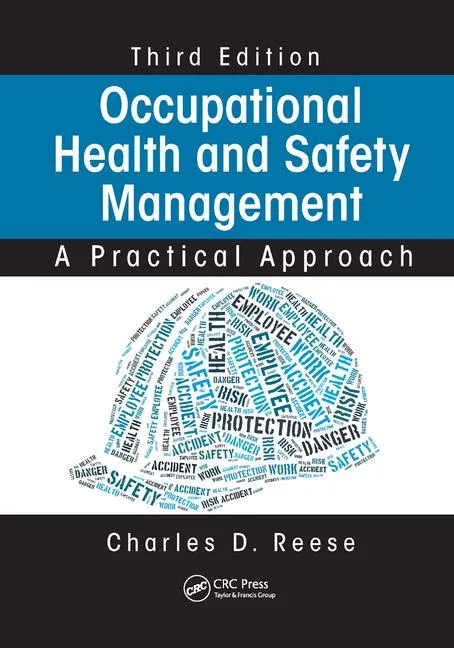
    Occupational Health and Safety Management: A Practical Approach, Third Edition

  • 1118911040.jpg

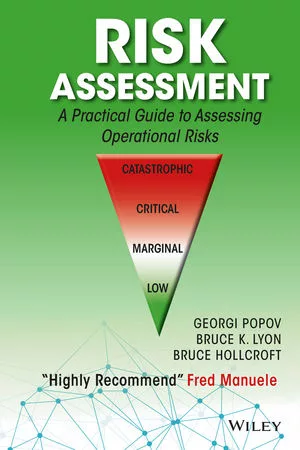
    Risk Assessment: A Practical Guide to Assessing Operational Risks

  • 9780367861148.jpg

    LEAD Safety A Practical Handbook for Frontline Supervisors and Safety Practitioners

See More Products
×

Become a Leader in Safety Culture

Build your knowledge with ISHN, covering key safety, health and industrial hygiene news, products, and trends.

JOIN TODAY
  • RESOURCES
    • Advertise
    • Contact Us
    • Directories
    • Manufacturing Division
    • Store
    • Want More
  • SIGN UP TODAY
    • Create Account
    • eMagazine
    • Newsletters
    • Customer Service
    • Manage Preferences
  • SERVICES
    • Marketing Services
    • Reprints
    • Market Research
    • List Rental
    • Survey/Respondent Access
  • STAY CONNECTED
    • LinkedIn
    • Facebook
    • YouTube
    • X (Twitter)
  • PRIVACY
    • PRIVACY POLICY
    • TERMS & CONDITIONS
    • DO NOT SELL MY PERSONAL INFORMATION
    • PRIVACY REQUEST
    • ACCESSIBILITY

Copyright ©2026. All Rights Reserved BNP Media, Inc. and BNP Media II, LLC.

Design, CMS, Hosting & Web Development :: ePublishing