ISHN logo
search
cart
facebook twitter linkedin youtube
  • Sign In
  • Create Account
  • Sign Out
  • My Account
ISHN logo
  • NEWS
    • Today's News
    • Global Safety News
    • Government Regulations
  • PRODUCTS
    • Product Innovations
    • Featured Products
  • TOPICS
    • Environmental Health and Safety
    • Facility Safety
    • Workplace Health
    • Occupational Safety
    • PPE
    • More Topics
  • CONSTRUCTION
  • TECHNOLOGY
  • COLUMNS
    • Best Practices
    • Dave Johnson: What’s going on
    • Editorial Comments
    • Leading Safety
  • MULTIMEDIA
    • ISHN Podcast
    • Videos
    • Cold Stress Education Quiz
    • Webinars
    • White Papers
  • MORE
    • Buyer's Guide
    • Newsletters
    • Convention Companion
    • Polls
    • Events
    • ISHN Store
    • Sponsor Insights
  • EMAGAZINE
    • eMagazine
    • Archived Issues
    • Contact
    • Advertise
  • JOIN TODAY!
Construction Industry Safety and Health

Measuring the effects of green jobs on construction worker safety and health

April 16, 2015

environmentalBy Xiuwen (Sue) Dong, DrPH, Center to Protect Workers’ Rights

Nearly half a million (487,709) wage-and-salary workers in the construction industry had “green” jobs in 2011, a 26.4% increase from 2010. This indicated faster growth than any other industry in the U.S.; construction accounted for 19.4% of all green employment in the private sector that year.

Within construction, participation in green jobs differed among subsectors. Building Equipment (NAICS 2382) had the highest proportion of green jobs (11.9%), compared with only 3.7% in Land Subdivision (NAICS 2372). In addition, companies with 100 or more employees were more likely to provide training on green technologies than companies with fewer than 10 employees (27% vs. 18%). Companies that require OSHA-10 or OSHA-30 training were more likely to train workers on green technologies than companies not offering OSHA training.

Trends of green construction in the U.S.

Researchers obtained data on green construction from the U.S. Green Building Council (USGBC). In 2000, there were just two Leadership in Energy and Environmental Design (LEED) projects certified in the U.S. In 2011, 3,310 projects were certified, more than a six-fold increase since 2007 (522 certifications). Overall, about 11,000 projects have been LEED-certified in the U.S., and about 39,000 registered with the USGBC through 2011.

Among the U.S. owners of LEED-registered projects, almost half (46%) were corporate and other for-profit organizations between 2000 and 2011. Federal, state, and local governments also played a major role in promoting green building construction, accounting for more than 27% of the owners of LEED-registered projects combined. Green construction varied by state in terms of LEED-certified square feet per capita in 2011. The West had more than one-third of all LEED-certified projects in square feet (34.2%), followed closely by the South (32.9%). The Northeast had less than half the LEED-certified square feet of either region, with just 15.0%, and the Midwest also had a small portion of space (17.9%).

Green jobs in the construction industry

Researchers analyzed data from the first release of the BLS Green Goods and Services Survey (GGS). The initial findings showed more than 372,000 construction workers had green jobs in 2010, accounting for 7% of construction wage-and-salary employment. These construction workers held more than 16% of all green jobs that year. Within construction, participation in the green industry differed by subsector. The Building Equipment subsector had the highest number and proportion of green jobs (160,100 jobs, 9.9%) compared with only 2,400 jobs (4.7%) in Land Subdivision. The proportion of green jobs in construction also varied tremendously by state, with Michigan (12.2%), Ohio (12.0%), and Rhode Island (11.3%) having the largest shares. In contrast, only 1.6% of construction jobs in Alabama were green.

Hazards and exposures related to green jobs

Researchers linked data from the BLS Occupational Employment Statistics (OES) survey and the green occupational categories developed by O*NET. They estimated workforce involvement as well as hazards and exposures related to green activities identified in O*NET for construction occupations. In addition to workers who were directly involved in green jobs or green construction activities, they estimated that up to 90% of the construction workforce was employed in green-related industries.

Construction workers could have an increased fall risk from solar or wind power construction, skylights, or atriums; and workers could also be exposed to more hazardous materials from weatherization. In addition, cement masons, concrete finishers, terrazzo workers, and insulation workers could be exposed to hazards such as silica, coal ash, or toxic nanomaterials from green building materials. Moreover, construction laborers could be exposed to injury hazards (e.g., sprain and “struck-by” hazards) as well as hazardous materials due to increased

Source: CPWR

KEYWORDS: construction cpwr occupational exposure OSHA training

Share This Story

Looking for a reprint of this article?
From high-res PDFs to custom plaques, order your copy today!

Recommended Content

JOIN TODAY
to unlock your recommendations.

Already have an account? Sign In

  • forklift safety

    Exploring the latest technologies in forklift safety

    With more staff and more stock in warehousing now more...
    Workplace Training Strategies
    By: Josh Cramer
  • welding

    All about welder’s flash or arc eye

    A flash burn is a painful inflammation of the cornea,...
    Environmental Health and Safety
  • dangerous jobs

    The 10 most dangerous jobs in the U.S.

    On-the-job deaths have been rising — hitting the highest...
    Construction Industry Safety and Health
    By: Benita Mehta
Manage My Account
  • eMagazine Subscriptions
  • ISHN Newsletter & Other Newsletter Alerts
  • Online Registration
  • Manage My Preferences
  • Subscription Customer Service

More Videos

Sponsored Content

Sponsored Content is a special paid section where industry companies provide high quality, objective, non-commercial content around topics of interest to the ISHN audience. All Sponsored Content is supplied by the advertising company and any opinions expressed in this article are those of the author and not necessarily reflect the views of ISHN or its parent company, BNP Media. Interested in participating in our Sponsored Content section? Contact your local rep!

close
  • man wearing the the Sundström SR200 Full Face Mask Respirator
    Sponsored byOHD

    5 Fit Testing Mistakes That Could Cost You

  • This image shows Magid AcuSpex polarized blue mirrored safety glasses.
    Sponsored byMagid Glove and Safety

    Construction PPE Guide: What Crews Need for Each Task

  • lone worker in confined space
    Sponsored byAlphasense Ltd.

    GET THE LEAD OUT of your Safety Oxygen Sensors!

Popular Stories

chemical safety

It Was Just Sugar: Catastrophic Safety Failures in Louisville

Automated loading dock equipment

After March 2026 Rivian Death, Safety Managers Reassess Loading Dock Systems Under OSHA's Warehouse Emphasis Program

psychology in the workplace

Most Workplaces Measure Psychological Safety, Ignoring Psychosocial Risks

top 10 most dangerous jobs

Events

July 21, 2026

When Dust Becomes a Disaster

In this webinar, attendees will gain a foundational understanding of combustible dust hazards, including the conditions that lead to fires and explosions, common ignition sources, and high-risk processes found throughout industry.

View All Submit An Event

Poll

Seasonal Readiness

With the federal heat stress prevention rule on the horizon, which area of your safety program needs the most attention?
View Results Poll Archive

Products

Surviving an OSHA Audit A Management Guide, 2nd Edition

Surviving an OSHA Audit A Management Guide, 2nd Edition

See More Products

ISHN Podcasts

Related Articles

  • New NIOSH initiative focuses on worker safety and health in "green jobs" (6/9)

    See More
  • What are the health effects of hand-arm vibration?

    See More
  • smoking

    Tobacco ads to reveal the health effects of smoking

    See More

Related Products

See More Products
  • 9781264257829_24.jpeg

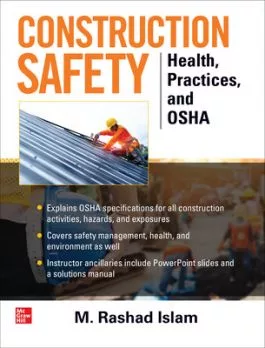
    Construction Safety: Health, Practices and OSHA

  • 9780849365461.jpg

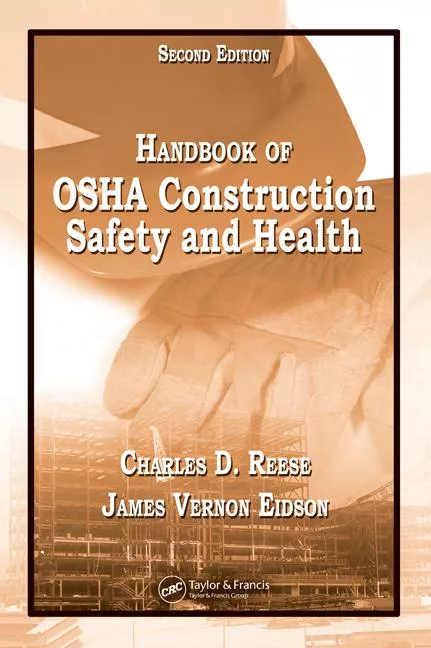
    Handbook of OSHA Construction Safety and Health, Second Edition

See More Products
×

Become a Leader in Safety Culture

Build your knowledge with ISHN, covering key safety, health and industrial hygiene news, products, and trends.

JOIN TODAY
  • RESOURCES
    • Advertise
    • Contact Us
    • Directories
    • Manufacturing Division
    • Store
    • Want More
  • SIGN UP TODAY
    • Create Account
    • eMagazine
    • Newsletters
    • Customer Service
    • Manage Preferences
  • SERVICES
    • Marketing Services
    • Reprints
    • Market Research
    • List Rental
    • Survey/Respondent Access
  • STAY CONNECTED
    • LinkedIn
    • Facebook
    • YouTube
    • X (Twitter)
  • PRIVACY
    • PRIVACY POLICY
    • TERMS & CONDITIONS
    • DO NOT SELL MY PERSONAL INFORMATION
    • PRIVACY REQUEST
    • ACCESSIBILITY

Copyright ©2026. All Rights Reserved BNP Media, Inc. and BNP Media II, LLC.

Design, CMS, Hosting & Web Development :: ePublishing