ISHN logo
search
cart
facebook twitter linkedin youtube
  • Sign In
  • Create Account
  • Sign Out
  • My Account
ISHN logo
  • NEWS
    • Today's News
    • Global Safety News
    • Government Regulations
  • PRODUCTS
    • Product Innovations
    • Featured Products
  • TOPICS
    • Environmental Health and Safety
    • Facility Safety
    • Workplace Health
    • Occupational Safety
    • PPE
    • More Topics
  • CONSTRUCTION
  • TECHNOLOGY
  • COLUMNS
    • Best Practices
    • Dave Johnson: What’s going on
    • Editorial Comments
    • Leading Safety
  • MULTIMEDIA
    • ISHN Podcast
    • Videos
    • Cold Stress Education Quiz
    • Webinars
    • White Papers
  • MORE
    • Buyer's Guide
    • Newsletters
    • Convention Companion
    • Polls
    • Events
    • ISHN Store
    • Sponsor Insights
  • EMAGAZINE
    • eMagazine
    • Archived Issues
    • Contact
    • Advertise
  • JOIN TODAY!
PPE

Focus on your feet

By age 50, you’ve logged 75,000 miles on your “wheels”

By Maureen Brady
June 1, 2015

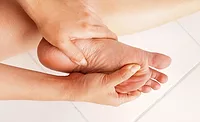
According to the American Podiatric Medical Association, most Americans log an amazing 75,000 miles on their feet by the time they reach age 50. That’s a lot of wear and tear on the feet. And work environments can expose the feet to a wide range of added hazards.

Foot injuries include punctures, crushing, sprains, lacerations and slip-and-fall related injuries. Other foot problems that can cause discomfort, pain and fatigue include calluses, ingrown toenails or simply tired feet. Fatigue sets up the worker for further injuries affecting the muscles and joints, and a worker who is tired or in pain is more likely to act unsafely. Foot problems can affect the knees, hips and lower back as well, says the American Orthopaedic Foot & Ankle Society.

Common causes

 Some common causes of foot problems include: long periods of standing, hard flooring and poorly fitted footwear.

Standing: Since the human foot is designed for mobility, maintaining an upright stance is extremely tiring. Continuous standing can cause the joints of bones of the feet to become misaligned (e.g., cause flat feet) and can cause inflammation that can lead later to rheumatism and arthritis.

Flooring: Hard, unyielding floors like concrete are the least comfortable surfaces to work on. Working on a hard floor has the impact of a hammer, pounding the heel at every step. Slippery floors are hazardous for slips and falls that can result in sprained ankles or broken foot bones.

Footwear: Footwear that fits poorly (i.e., too loose, too tight, lack of arch support) or is in need of repair also contributes heavily to foot discomfort. Pointed toes and high heels are particularly inappropriate for working footwear.

Here are some specific examples of foot injuries and common causes:

Practice prevention

The first step in developing a strategy to reduce foot problems is to identify the relevant hazards at the workplace. Such hazards should be assessed in each workplace, no matter how safe or how dangerous it may seem.

Here are some tips for job and workplace design that can help prevent foot problems and injuries:

  • Design jobs to avoid fixed positions, especially fixed standing positions
  • Incorporate frequent, short rest breaks if job redesign is impractical
  • Use an adjustable work surface for standing jobs, or use a platform to raise the worker or a pedestal to raise the object
  • Use a foot-rail or footrest to allow the worker to shift weight from one leg to the other
  • If work can only be done while standing, provide a seat for resting purposes.
  • Separate mobile equipment from pedestrian traffic and install safety mirrors and warning signs to help prevent accidents
  • Use proper guarding of machines such as chain saws or rotary mowers
  • Keep the workplace clean and organized
  • Use color contrast and angular lighting to improve depth vision in areas such as stairs, ramps and passageways
  • Install more resilient flooring or use anti-fatigue matting (properly installed to prevent trips and slips)
  • Consider the use of anti-slip flooring or matting

Footwear

Proper footwear is important for safety and comfort. Improper footwear can cause or aggravate existing foot problems. OSHA requires the use of protective footwear when there is a danger of foot injuries due to falling or rolling objects, or objects piercing the sole, and when employees’ feet are exposed to electrical hazards.

In addition to ensuring that workers wear protective footwear when needed, the best way to involve workers in programs to protect their feet is to provide:

  • training and information on the health hazards of wearing improper shoes,
  • the principles for selecting proper ones, and
  • the simple rules of general foot care.

Source: Canadian Centre for Occupational Health & Safety, Foot Comfort & Safety at Work, http://www.ccohs.ca/oshanswers/prevention/ppe/foot_com.html

KEYWORDS: Foot Protection safety footwear slips, trips and falls

Share This Story

Looking for a reprint of this article?
From high-res PDFs to custom plaques, order your copy today!

Maureen is the former managing editor of ISHN.

Recommended Content

JOIN TODAY
to unlock your recommendations.

Already have an account? Sign In

  • forklift safety

    Exploring the latest technologies in forklift safety

    With more staff and more stock in warehousing now more...
    Facility Safety
    By: Josh Cramer
  • welding

    All about welder’s flash or arc eye

    A flash burn is a painful inflammation of the cornea,...
    Environmental Health and Safety
  • dangerous jobs

    The 10 most dangerous jobs in the U.S.

    On-the-job deaths have been rising — hitting the highest...
    Government Safety Regulations
    By: Benita Mehta
Manage My Account
  • eMagazine Subscriptions
  • ISHN Newsletter & Other Newsletter Alerts
  • Online Registration
  • Manage My Preferences
  • Subscription Customer Service

More Videos

Sponsored Content

Sponsored Content is a special paid section where industry companies provide high quality, objective, non-commercial content around topics of interest to the ISHN audience. All Sponsored Content is supplied by the advertising company and any opinions expressed in this article are those of the author and not necessarily reflect the views of ISHN or its parent company, BNP Media. Interested in participating in our Sponsored Content section? Contact your local rep!

close
  • man wearing the the Sundström SR200 Full Face Mask Respirator
    Sponsored byOHD

    5 Fit Testing Mistakes That Could Cost You

  • This image shows Magid AcuSpex polarized blue mirrored safety glasses.
    Sponsored byMagid Glove and Safety

    Construction PPE Guide: What Crews Need for Each Task

  • lone worker in confined space
    Sponsored byAlphasense Ltd.

    GET THE LEAD OUT of your Safety Oxygen Sensors!

Popular Stories

SpaceX 7 launch

OSHA Investigating Fatal Fall at SpaceX Starbase

dust explosion

Tennessee OSHA Issues Record $3.1M Fine After Deadly Explosion at Munitions Plant

roofing dangerous jobs Getty.jpg

OSHA Finds Florida Roofing Company Willfully Exposed Workers to Safety Hazards After Worker’s Fatal Fall

top 10 most dangerous jobs

Poll

Seasonal Readiness

With the federal heat stress prevention rule on the horizon, which area of your safety program needs the most attention?
View Results Poll Archive

Products

Surviving an OSHA Audit A Management Guide, 2nd Edition

Surviving an OSHA Audit A Management Guide, 2nd Edition

See More Products

ISHN Podcasts

Related Articles

  • foot pain

    If you work on your feet, wear the right shoes

    See More
  • Keep your feet warm & dry

    See More
  • Safety solutions right under your feet

    See More

Related Products

See More Products
  • 1118645685.jpg

    Advanced Safety Management: Focusing on Z10 and Serious Injury Prevention, 2nd Edition

See More Products
×

Become a Leader in Safety Culture

Build your knowledge with ISHN, covering key safety, health and industrial hygiene news, products, and trends.

JOIN TODAY
  • RESOURCES
    • Advertise
    • Contact Us
    • Directories
    • Manufacturing Division
    • Store
    • Want More
  • SIGN UP TODAY
    • Create Account
    • eMagazine
    • Newsletters
    • Customer Service
    • Manage Preferences
  • SERVICES
    • Marketing Services
    • Reprints
    • Market Research
    • List Rental
    • Survey/Respondent Access
  • STAY CONNECTED
    • LinkedIn
    • Facebook
    • YouTube
    • X (Twitter)
  • PRIVACY
    • PRIVACY POLICY
    • TERMS & CONDITIONS
    • DO NOT SELL MY PERSONAL INFORMATION
    • PRIVACY REQUEST
    • ACCESSIBILITY

Copyright ©2026. All Rights Reserved BNP Media, Inc. and BNP Media II, LLC.

Design, CMS, Hosting & Web Development :: ePublishing