ISHN logo
search
cart
facebook twitter linkedin youtube
  • Sign In
  • Create Account
  • Sign Out
  • My Account
ISHN logo
  • NEWS
    • Today's News
    • Global Safety News
    • Government Regulations
  • PRODUCTS
    • Product Innovations
    • Featured Products
  • TOPICS
    • Environmental Health and Safety
    • Facility Safety
    • Workplace Health
    • Occupational Safety
    • PPE
    • More Topics
  • CONSTRUCTION
  • TECHNOLOGY
  • COLUMNS
    • Best Practices
    • Dave Johnson: What’s going on
    • Editorial Comments
    • Leading Safety
  • MULTIMEDIA
    • ISHN Podcast
    • Videos
    • Cold Stress Education Quiz
    • Webinars
    • White Papers
  • MORE
    • Buyer's Guide
    • Newsletters
    • Convention Companion
    • Polls
    • Events
    • ISHN Store
    • Sponsor Insights
  • EMAGAZINE
    • eMagazine
    • Archived Issues
    • Contact
    • Advertise
  • JOIN TODAY!
Workplace Health

A pill a day can prevent HIV

November 27, 2015

A new Vital Signs report published today estimates that 25 percent of sexually active gay and bisexual adult men, nearly 20 percent of adults who inject drugs, and less than 1 percent of heterosexually active adults are at substantial risk for HIV infection and should be counseled about PrEP, a daily pill for HIV prevention.

PrEP for HIV prevention was approved by the Food and Drug Administration in 2012. When taken daily, it can reduce the risk of sexually acquired HIV by more than 90 percent. Daily PrEP can also reduce the risk of HIV infection among people who inject drugs by more than 70 percent. However, according to recent studies, some primary health care providers have never heard of PrEP. Increasing awareness of PrEP and counseling for those at substantial risk for HIV infection is critical to realizing the full prevention potential of PrEP.

“PrEP isn’t reaching many people who could benefit from it, and many providers remain unaware of its promise,” said CDC Director Tom Frieden, M.D., M.P.H. “With about 40,000 HIV infections newly diagnosed each year in the U.S., we need to use all available prevention strategies.”

PrEP is one essential component in the nation’s high-impact prevention strategy

While PrEP can fill a critical gap in America’s prevention efforts, all available HIV prevention strategies must be used to have the greatest impact on the epidemic. These include treatment to suppress the virus among people living with HIV; correct and consistent use of condoms; reducing risk behaviors; and ensuring people who inject drugs have access to sterile injection equipment from a reliable source.

“PrEP has the potential to dramatically reduce new HIV infections in the nation,” says Jonathan Mermin, M.D., M.P.H, director of CDC’s National Center for HIV/AIDS, Viral Hepatitis, STD, and TB Prevention. “However, PrEP only works if patients know about it, have access to it, and take it as prescribed.”

A separate analysis published today in Vital Signs suggests that focused efforts can significantly expand the reach of PrEP. Researchers from the New York State Department of Health report that PrEP use among New Yorkers covered by Medicaid increased from 303 prescriptions filled from July 1, 2013, through June 30, 2014, to 1,330 prescriptions filled from July 1, 2014, through June 30, 2015 in the year following the launch of a statewide effort to increase PrEP knowledge among potential prescribers and candidates.

PrEP is one of four focus areas in the July 2015 Update to the National HIV/AIDS Prevention Strategy. Other key elements of the Strategy and CDC’s high-impact prevention approach are:

  • Widespread HIV testing and linkage to care that enables early treatment;
  • Broad support for people living with HIV to remain engaged in comprehensive care, including support for treatment adherence;
  • And universal viral suppression.

“Today’s prevention landscape is complex and with the wide range of strategies now available, no single tool addresses every prevention need. Reducing the toll of HIV in this nation will require matching the right tools to the right people,” said Eugene McCray, M.D., director of CDC’s Division of HIV/AIDS Prevention. “Providers must work with patients to assess which tools best meet their needs. PrEP can benefit many who have high risk. Other risk reduction strategies, such as condoms and access to sterile injection equipment, also offer substantial protection when used consistently and correctly.”

CDC resources available

In March, CDC announced it is awarding up to $125 million in HIV prevention funding over three years to state and local health departments, in part to expand the use of PrEP for men who have sex with men (MSM). In July, CDC announced it had awarded $216 million over five years to 90 community-based organizations (CBOs) nationwide to increase access to PrEP prevention and support services and other effective HIV prevention strategies among those at greatest risk, including men who have sex with men and people who inject drugs.

CDC has also published resources to educate and advise providers – including 2014 clinical guidelines, step-by-step PrEP checklists and interview guides – and supports a hotline to answer providers’ questions about when and how to offer PrEP.

KEYWORDS: health and wellness

Share This Story

Looking for a reprint of this article?
From high-res PDFs to custom plaques, order your copy today!

Recommended Content

JOIN TODAY
to unlock your recommendations.

Already have an account? Sign In

  • forklift safety

    Exploring the latest technologies in forklift safety

    With more staff and more stock in warehousing now more...
    Workplace Training Strategies
    By: Josh Cramer
  • welding

    All about welder’s flash or arc eye

    A flash burn is a painful inflammation of the cornea,...
    Environmental Health and Safety
  • dangerous jobs

    The 10 most dangerous jobs in the U.S.

    On-the-job deaths have been rising — hitting the highest...
    Occupational Safety
    By: Benita Mehta
Manage My Account
  • eMagazine Subscriptions
  • ISHN Newsletter & Other Newsletter Alerts
  • Online Registration
  • Manage My Preferences
  • Subscription Customer Service

More Videos

Sponsored Content

Sponsored Content is a special paid section where industry companies provide high quality, objective, non-commercial content around topics of interest to the ISHN audience. All Sponsored Content is supplied by the advertising company and any opinions expressed in this article are those of the author and not necessarily reflect the views of ISHN or its parent company, BNP Media. Interested in participating in our Sponsored Content section? Contact your local rep!

close
  • man wearing the the Sundström SR200 Full Face Mask Respirator
    Sponsored byOHD

    5 Fit Testing Mistakes That Could Cost You

  • This image shows Magid AcuSpex polarized blue mirrored safety glasses.
    Sponsored byMagid Glove and Safety

    Construction PPE Guide: What Crews Need for Each Task

  • lone worker in confined space
    Sponsored byAlphasense Ltd.

    GET THE LEAD OUT of your Safety Oxygen Sensors!

Popular Stories

SpaceX 7 launch

OSHA Investigating Fatal Fall at SpaceX Starbase

Worker Impairment

How to Tell When a Co-Worker is Impaired? A Safety Pro’s Challenge

psychology in the workplace

Most Workplaces Measure Psychological Safety, Ignoring Psychosocial Risks

top 10 most dangerous jobs

Poll

Seasonal Readiness

With the federal heat stress prevention rule on the horizon, which area of your safety program needs the most attention?
View Results Poll Archive

Products

Surviving an OSHA Audit A Management Guide, 2nd Edition

Surviving an OSHA Audit A Management Guide, 2nd Edition

See More Products

ISHN Podcasts

Related Articles

  • Take a daily pill and live longer? One in three say “no”

    See More
  • Can you spare 30 minutes a day?

    See More
  • Robotics in manufacturing

    The future of industrial safety: How autonomous systems can prevent accidents

    See More

Related Products

See More Products
  • 9781138749573.jpg

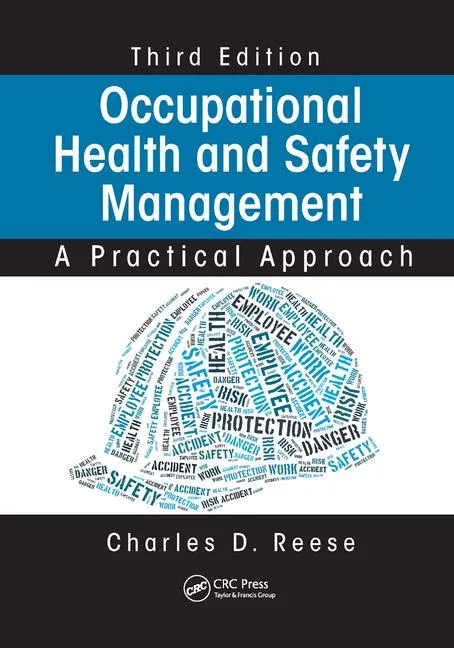
    Occupational Health and Safety Management: A Practical Approach, Third Edition

  • 111885960X.jpg

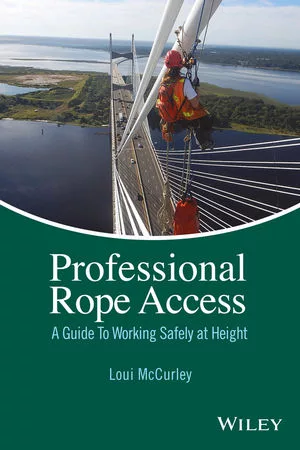
    Professional Rope Access: A Guide To Working Safely at Height

See More Products
×

Become a Leader in Safety Culture

Build your knowledge with ISHN, covering key safety, health and industrial hygiene news, products, and trends.

JOIN TODAY
  • RESOURCES
    • Advertise
    • Contact Us
    • Directories
    • Manufacturing Division
    • Store
    • Want More
  • SIGN UP TODAY
    • Create Account
    • eMagazine
    • Newsletters
    • Customer Service
    • Manage Preferences
  • SERVICES
    • Marketing Services
    • Reprints
    • Market Research
    • List Rental
    • Survey/Respondent Access
  • STAY CONNECTED
    • LinkedIn
    • Facebook
    • YouTube
    • X (Twitter)
  • PRIVACY
    • PRIVACY POLICY
    • TERMS & CONDITIONS
    • DO NOT SELL MY PERSONAL INFORMATION
    • PRIVACY REQUEST
    • ACCESSIBILITY

Copyright ©2026. All Rights Reserved BNP Media, Inc. and BNP Media II, LLC.

Design, CMS, Hosting & Web Development :: ePublishing