ISHN logo
search
cart
facebook twitter linkedin youtube
  • Sign In
  • Create Account
  • Sign Out
  • My Account
ISHN logo
  • NEWS
    • Today's News
    • Global Safety News
    • Government Regulations
  • PRODUCTS
    • Product Innovations
    • Featured Products
  • TOPICS
    • Environmental Health and Safety
    • Facility Safety
    • Workplace Health
    • Occupational Safety
    • PPE
    • More Topics
  • CONSTRUCTION
  • TECHNOLOGY
  • COLUMNS
    • Best Practices
    • Dave Johnson: What’s going on
    • Editorial Comments
    • Leading Safety
  • MULTIMEDIA
    • ISHN Podcast
    • Videos
    • Cold Stress Education Quiz
    • Webinars
    • White Papers
  • MORE
    • Buyer's Guide
    • Newsletters
    • Convention Companion
    • Polls
    • Events
    • ISHN Store
    • Sponsor Insights
  • EMAGAZINE
    • eMagazine
    • Archived Issues
    • Contact
    • Advertise
  • JOIN TODAY!
Today's Safety NewsEnvironmental Health and SafetyWorkplace Health

Working in a winter wonderland

Four things to know about snow

A U.S. DOL Blog post
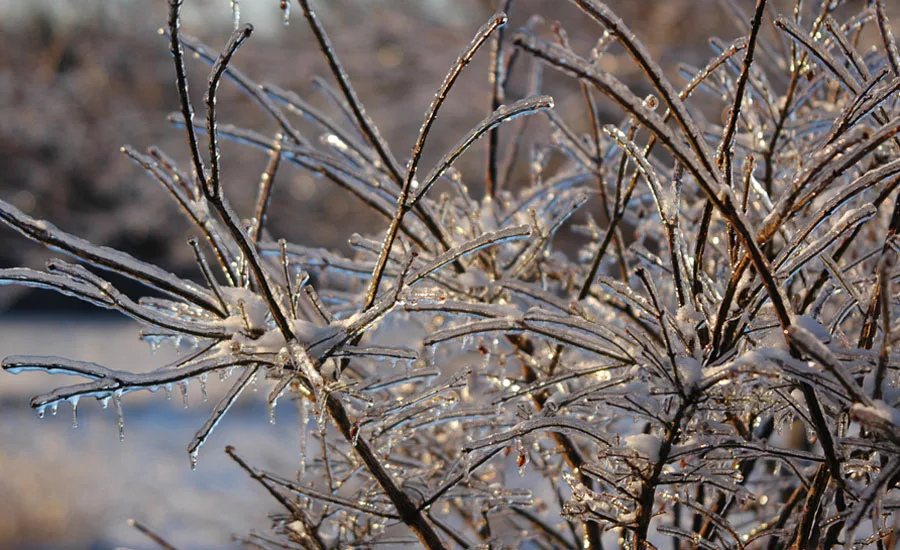
winter
January 22, 2016

By Jesse Lawder

Here are four things every employer should know in the winter:

1. What do I need to know about shoveling snow?

Shoveling snow can be a strenuous activity, particularly because cold weather can be taxing on the body, and can create the potential for exhaustion, dehydration, back injuries, or heart attacks.

  • Take frequent breaks,
  • Drink plenty of fluids (while avoiding ones with caffeine or alcohol),
  • Warm-up before starting,
  • Scoop small amounts of snow at a time,
  • Push the snow instead of lifting where possible, and
  • Use proper form if lifting is necessary: keep the back straight and lift with the legs.

2. How do you walk safely on snow and ice?

  • Walking on snow and ice puts workers at an increased risk of slips and falls.
  • Where appropriate, clear walking surfaces of snow and ice and use salt or its equivalent.
  • Proper footwear is essential – insulated boots with good rubber treads are a must for walking during or after a winter storm.
  • When walking on an icy or snow-covered walkway, take short steps and walk at a slower pace so you can react quickly to a change in traction.
  • If the sidewalk is not cleared and you have to walk in the street, walk against the traffic and as close to the curb as you can.
  • Look out for vehicles which may have lost traction and are slipping towards you. Be aware that vehicles might have trouble stopping at crosswalks or traffic signals.
  • At night, wear bright clothing or reflective gear – dark clothing will make it hard for drivers to see you.
  • During the daytime, wear sunglasses to help you see better and avoid hazards.

3. What should I know if there’s snow on the roof?

  • Use standard protections when working at heights and look out for unexpected hazards due to the weather.
  • Employers should provide and ensure the proper use of fall protection and ladders.
  • Use caution around surfaces that have been weighed down by snow, as they may collapse.
  • For more information, see OSHA’s Hazard Alert: Falls and Other Hazards to Workers Removing Snow From Rooftops and Other Elevated Surface

4. What if there’s no snow?

Even if there is no snow, working in the cold weather increases the risk of frostbite and hypothermia.

Frostbite is a severe reaction to cold exposure that causes freezing in the deep layers of skin and tissue. Frostbite can cause permanent damage. It is recognizable by a loss of feeling and a waxy-white or pale appearance in fingers, toes, nose, or ear lobes.

Hypothermia occurs when the body temperature drops to less than 95°F. Symptoms of hypothermia include uncontrollable shivering, slow speech, memory lapses, frequent stumbling, drowsiness, and exhaustion.

For more information, see OSHA’s Cold Stress Safety and Health Guide, or OSHA’s publication, The Cold Stress QuickCard.

[BONUS] How do I get up-to-date info about winter storms?

The National Oceanic and Atmospheric Administration provides multiple ways to stay informed about winter storms.

NOAA Weather Radio continuously broadcasts weather information from the nearest National Weather Service office. The NOAAWatch website also provides information on the weather outlook.

More life-saving information about working in winter storms can be found on the OSHA Winter Storm page.

KEYWORDS: extreme weather hazards hypothermia slips, trips and falls

Share This Story

Looking for a reprint of this article?
From high-res PDFs to custom plaques, order your copy today!

Recommended Content

JOIN TODAY
to unlock your recommendations.

Already have an account? Sign In

  • forklift safety

    Exploring the latest technologies in forklift safety

    With more staff and more stock in warehousing now more...
    Facility Safety
    By: Josh Cramer
  • welding

    All about welder’s flash or arc eye

    A flash burn is a painful inflammation of the cornea,...
    Environmental Health and Safety
  • dangerous jobs

    The 10 most dangerous jobs in the U.S.

    On-the-job deaths have been rising — hitting the highest...
    Transportation Safety
    By: Benita Mehta
Manage My Account
  • eMagazine Subscriptions
  • ISHN Newsletter & Other Newsletter Alerts
  • Online Registration
  • Manage My Preferences
  • Subscription Customer Service

More Videos

Sponsored Content

Sponsored Content is a special paid section where industry companies provide high quality, objective, non-commercial content around topics of interest to the ISHN audience. All Sponsored Content is supplied by the advertising company and any opinions expressed in this article are those of the author and not necessarily reflect the views of ISHN or its parent company, BNP Media. Interested in participating in our Sponsored Content section? Contact your local rep!

close
  • man wearing the the Sundström SR200 Full Face Mask Respirator
    Sponsored byOHD

    5 Fit Testing Mistakes That Could Cost You

  • This image shows Magid AcuSpex polarized blue mirrored safety glasses.
    Sponsored byMagid Glove and Safety

    Construction PPE Guide: What Crews Need for Each Task

  • lone worker in confined space
    Sponsored byAlphasense Ltd.

    GET THE LEAD OUT of your Safety Oxygen Sensors!

Popular Stories

SpaceX 7 launch

OSHA Investigating Fatal Fall at SpaceX Starbase

Worker Impairment

How to Tell When a Co-Worker is Impaired? A Safety Pro’s Challenge

Automated loading dock equipment

After March 2026 Rivian Death, Safety Managers Reassess Loading Dock Systems Under OSHA's Warehouse Emphasis Program

top 10 most dangerous jobs

Poll

Seasonal Readiness

With the federal heat stress prevention rule on the horizon, which area of your safety program needs the most attention?
View Results Poll Archive

Products

Surviving an OSHA Audit A Management Guide, 2nd Edition

Surviving an OSHA Audit A Management Guide, 2nd Edition

See More Products

ISHN Podcasts

Related Articles

  • emergency showers & eyewash stations

    30 things to know about emergency showers & eyewash stations

    See More
  • 6 Things to Know about the ISO 45001 Release

    See More
  • children

    Top 4 things parents need to know about measles

    See More

Related Products

See More Products
  • Top Ten Pitfalls in OSHA Recordkeeping and How to Avoid Them

  • 0470387408.jpg

    Preparing for OSHA s Voluntary Protection Programs: A Guide to Success

See More Products
×

Become a Leader in Safety Culture

Build your knowledge with ISHN, covering key safety, health and industrial hygiene news, products, and trends.

JOIN TODAY
  • RESOURCES
    • Advertise
    • Contact Us
    • Directories
    • Manufacturing Division
    • Store
    • Want More
  • SIGN UP TODAY
    • Create Account
    • eMagazine
    • Newsletters
    • Customer Service
    • Manage Preferences
  • SERVICES
    • Marketing Services
    • Reprints
    • Market Research
    • List Rental
    • Survey/Respondent Access
  • STAY CONNECTED
    • LinkedIn
    • Facebook
    • YouTube
    • X (Twitter)
  • PRIVACY
    • PRIVACY POLICY
    • TERMS & CONDITIONS
    • DO NOT SELL MY PERSONAL INFORMATION
    • PRIVACY REQUEST
    • ACCESSIBILITY

Copyright ©2026. All Rights Reserved BNP Media, Inc. and BNP Media II, LLC.

Design, CMS, Hosting & Web Development :: ePublishing