ISHN logo
search
cart
facebook twitter linkedin youtube
  • Sign In
  • Create Account
  • Sign Out
  • My Account
ISHN logo
  • NEWS
    • Today's News
    • Global Safety News
    • Government Regulations
  • PRODUCTS
    • Product Innovations
    • Featured Products
  • TOPICS
    • Environmental Health and Safety
    • Facility Safety
    • Workplace Health
    • Occupational Safety
    • PPE
    • More Topics
  • CONSTRUCTION
  • TECHNOLOGY
  • COLUMNS
    • Best Practices
    • Dave Johnson: What’s going on
    • Editorial Comments
    • Leading Safety
  • MULTIMEDIA
    • ISHN Podcast
    • Videos
    • Cold Stress Education Quiz
    • Webinars
    • White Papers
  • MORE
    • Buyer's Guide
    • Newsletters
    • Convention Companion
    • Polls
    • Events
    • ISHN Store
    • Sponsor Insights
  • EMAGAZINE
    • eMagazine
    • Archived Issues
    • Contact
    • Advertise
  • JOIN TODAY!
Today's Safety NewsGovernment Safety RegulationsFacility Safety

EPA proposes revisions to its Risk Management Program regulations

February 26, 2016

The EPA is proposing to revise its Risk Management Program (RMP) regulations to improve chemical process safety, assist local emergency authorities in planning for and responding to accidents, and improve public awareness of chemical hazards at regulated sources.

“Chemicals are a necessary part of our everyday lives; however, as we have too often seen they can cause loss of life, injury and significant property damage,” said Mathy Stanislaus, EPA’s assistant administrator for the Office of Land and Emergency Management. “It is these dangers that we are working to prevent and minimize as we propose revisions to the RMP, such as improving our prevention program requirements, ensuring coordination with first responders, and ensuring that accident planning protects local communities that need to evacuate or shelter-in-place during an accident.”

While numerous chemical plants are operated safely, in the last 10 years more than 1,500 accidents were reported by RMP facilities. These accidents are responsible for causing nearly 60 deaths, some 17,000 people being injured or seeking medical treatment, almost 500,000 people being evacuated or sheltered-in-place, and costing more than $2 billion in property damages.

The Accidental Release Prevention regulations under section 112(r) of the Clean Air Act (CAA), also known as the EPA RMP regulations, require covered facilities to develop and implement a risk management program. The proposed revisions to EPA’s RMP regulations is a key action item under President Obama’s Executive Order (EO) 13650, Improving Chemical Facility Safety and Security.  EPA shares RMP information with state and local officials to help them plan for and prevent chemical accidents and releases.

This proposal is the result of a review undertaken to modernize the existing EPA RMP and information gathered from feedback obtained during listening sessions, Webinars, meetings with stakeholder groups, stakeholder conferences and public comments in response to EPA’s Request for Information.

The proposed amendments are intended to improve existing risk management plan requirements to enhance chemical safety at RMP facilities by:

•  Requiring the consideration of safer technologies and alternatives by including the assessment of Inherently Safer Technologies and Designs in the Process Hazard Assessment;
•  Requiring third party audits and root cause analysis to identify process safety improvements for accident prevention;
•  Enhancing  emergency planning and preparedness requirements to help ensure coordination between facilities and local communities;
•  Strengthening emergency response planning to help ensure emergency response capabilities are available to mitigate the effect of a chemical accident;
•  Improving the ability of LEPCs (Local Emergency Planning Committees) and local emergency response officials to better prepare for emergencies both individually and with one another; and
•  Improving access to information to help the public understand the risks at RMP facilities.

The RMP rule is just one aspect of EPA and the U.S. Government’s efforts to enhance the safety and security of chemical facilities throughout the nation. We continue our work under EO 13650 by assisting local communities in developing a local emergency contingency plan and facilitating a dialog between the community and chemical facilities on chemical accident prevention and preparedness.

The public will have 60 days from publication in the Federal Register to submit written comments online at www.regulations.gov (the portal for federal rulemaking), or by mail.

For more information about the proposed rule:
http://www.epa.gov/rmp/proposed-changes-risk-management-program-rmp-rule

Read Assistant Administrator Stanislaus’ blog:
http://blog.epa.gov/blog/2016/02/preparing-for-emergencies/

KEYWORDS: chemical industry chemicals

Share This Story

Looking for a reprint of this article?
From high-res PDFs to custom plaques, order your copy today!

Recommended Content

JOIN TODAY
to unlock your recommendations.

Already have an account? Sign In

  • forklift safety

    Exploring the latest technologies in forklift safety

    With more staff and more stock in warehousing now more...
    Facility Safety
    By: Josh Cramer
  • welding

    All about welder’s flash or arc eye

    A flash burn is a painful inflammation of the cornea,...
    Environmental Health and Safety
  • dangerous jobs

    The 10 most dangerous jobs in the U.S.

    On-the-job deaths have been rising — hitting the highest...
    Transportation Safety
    By: Benita Mehta
Manage My Account
  • eMagazine Subscriptions
  • ISHN Newsletter & Other Newsletter Alerts
  • Online Registration
  • Manage My Preferences
  • Subscription Customer Service

More Videos

Sponsored Content

Sponsored Content is a special paid section where industry companies provide high quality, objective, non-commercial content around topics of interest to the ISHN audience. All Sponsored Content is supplied by the advertising company and any opinions expressed in this article are those of the author and not necessarily reflect the views of ISHN or its parent company, BNP Media. Interested in participating in our Sponsored Content section? Contact your local rep!

close
  • man wearing the the Sundström SR200 Full Face Mask Respirator
    Sponsored byOHD

    5 Fit Testing Mistakes That Could Cost You

  • This image shows Magid AcuSpex polarized blue mirrored safety glasses.
    Sponsored byMagid Glove and Safety

    Construction PPE Guide: What Crews Need for Each Task

  • lone worker in confined space
    Sponsored byAlphasense Ltd.

    GET THE LEAD OUT of your Safety Oxygen Sensors!

Popular Stories

SpaceX 7 launch

OSHA Investigating Fatal Fall at SpaceX Starbase

Worker Impairment

How to Tell When a Co-Worker is Impaired? A Safety Pro’s Challenge

Automated loading dock equipment

After March 2026 Rivian Death, Safety Managers Reassess Loading Dock Systems Under OSHA's Warehouse Emphasis Program

top 10 most dangerous jobs

Poll

Seasonal Readiness

With the federal heat stress prevention rule on the horizon, which area of your safety program needs the most attention?
View Results Poll Archive

Products

Surviving an OSHA Audit A Management Guide, 2nd Edition

Surviving an OSHA Audit A Management Guide, 2nd Edition

See More Products

ISHN Podcasts

Related Articles

  • EPA amends its risk management program for chemical facilities

    See More
  • DOL proposes revisions to beryllium standard for general industry

    See More
  • EPA seeks comments on risk management program changes

    See More

Related Products

See More Products
  • 0470074876vol4.jpg

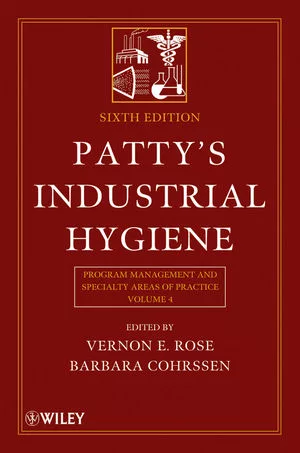
    Patty's Industrial Hygiene, Volume 4, Program Management and Specialty Areas of Practice , 6th Edition

  • A Basic Guide to RCRA—Understanding Solid and Hazardous Waste Management, Second Edition

  • 1118911040.jpg

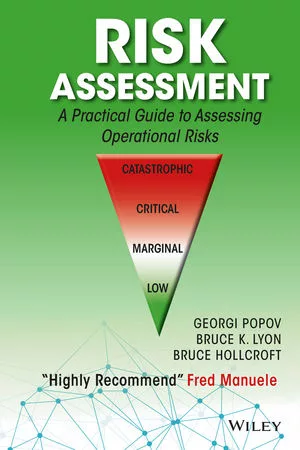
    Risk Assessment: A Practical Guide to Assessing Operational Risks

See More Products

Related Directories

  • BSI Consulting

    BSI’s Industrial Hygiene and Occupational Health Consulting specialists provide a comprehensive range of strategic, management, and technical consulting solutions—assessment, compliance, risk management, reporting, training, communication, inspecting and testing, and more—partnering with clients to achieve their current needs and long-term goals.
×

Become a Leader in Safety Culture

Build your knowledge with ISHN, covering key safety, health and industrial hygiene news, products, and trends.

JOIN TODAY
  • RESOURCES
    • Advertise
    • Contact Us
    • Directories
    • Manufacturing Division
    • Store
    • Want More
  • SIGN UP TODAY
    • Create Account
    • eMagazine
    • Newsletters
    • Customer Service
    • Manage Preferences
  • SERVICES
    • Marketing Services
    • Reprints
    • Market Research
    • List Rental
    • Survey/Respondent Access
  • STAY CONNECTED
    • LinkedIn
    • Facebook
    • YouTube
    • X (Twitter)
  • PRIVACY
    • PRIVACY POLICY
    • TERMS & CONDITIONS
    • DO NOT SELL MY PERSONAL INFORMATION
    • PRIVACY REQUEST
    • ACCESSIBILITY

Copyright ©2026. All Rights Reserved BNP Media, Inc. and BNP Media II, LLC.

Design, CMS, Hosting & Web Development :: ePublishing