ISHN logo
search
cart
facebook twitter linkedin youtube
  • Sign In
  • Create Account
  • Sign Out
  • My Account
ISHN logo
  • NEWS
    • Today's News
    • Global Safety News
    • Government Regulations
  • PRODUCTS
    • Product Innovations
    • Featured Products
  • TOPICS
    • Environmental Health and Safety
    • Facility Safety
    • Workplace Health
    • Occupational Safety
    • PPE
    • More Topics
  • CONSTRUCTION
  • TECHNOLOGY
  • COLUMNS
    • Best Practices
    • Dave Johnson: What’s going on
    • Editorial Comments
    • Leading Safety
  • MULTIMEDIA
    • ISHN Podcast
    • Videos
    • Cold Stress Education Quiz
    • Webinars
    • White Papers
  • MORE
    • Buyer's Guide
    • Newsletters
    • Convention Companion
    • Polls
    • Events
    • ISHN Store
    • Sponsor Insights
  • EMAGAZINE
    • eMagazine
    • Archived Issues
    • Contact
    • Advertise
  • JOIN TODAY!

OSHA Welding, Cutting and Brazing 1910.252
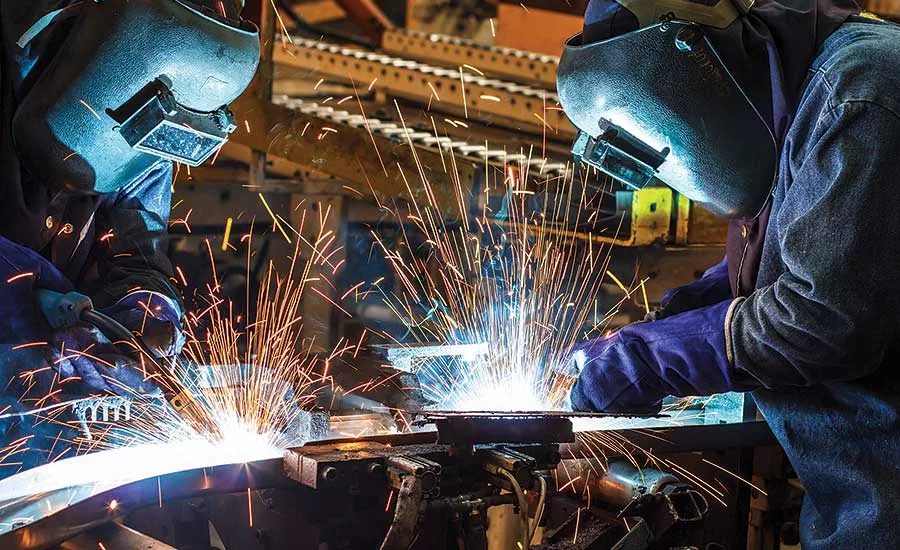
OSHA Welding, Cutting and Brazing 1910.252
January 1, 2017

History

OSHA’s standards for welding, cutting and brazing in general industry and construction were based on the 1967 ANSI standard Z49.1.

Why this standard is important

Welding, cutting and brazing are hazardous activities that pose a unique combination of both safety and health risks to more than 500,000 workers in a wide variety of industries. The risk from fatal injuries alone is more than four deaths per thousand workers over a working lifetime.

Hazards

Health hazards from welding, cutting, and brazing operations include exposures to metal fumes and to UV radiation. Safety hazards from these operations include burns, eye damage, electrical shock, cuts, and crushed toes and fingers. Many of these can be controlled with proper work practices and PPE.

Enforcement Statistics:

October 2015 through September 2016 – totals for all industries

Citations: 145

Inspections: 119

Penalty: $369,553

Most Frequently Cited Provisions

  • If the object to be welded or cut cannot be moved and if all the fire hazards cannot be removed, then guards shall be used to confine the heat, sparks, and slag, and to protect the immovable fire hazards.
  • Wherever there are floor openings or cracks in the flooring that cannot be closed, precautions shall be taken so that no readily combustible materials on the floor below will be exposed to sparks which might drop through the floor. The same precautions shall be observed with regard to cracks or holes in walls, open doorways and open or broken windows.
  • When arc welding is to be suspended for any substantial period of time, such as during lunch or overnight, all electrodes shall be removed from the holders and the holders carefully located so that accidental contact cannot occur and the machine be disconnected from the power source.

Most cited industries

  1. Fabricated Metal Product Manufacturing
  2. Machinery Manufacturing
  3. Transportation Equipment Manufacturing
  4. Electrical Equipment, Appliance, and Component Manufacturing
  5. Merchant Wholesalers, Durable Goods
  6. Specialty Trade Contractors
  7. Primary Metal Manufacturing
  8. Support Activities for Mining
  9. Motor Vehicle and Parts Dealers
  10. Miscellaneous Manufacturing

What must employers do to protect employees?

Welders should understand the hazards of the materials they are working with. OSHA’s Hazard Communication standard requires employers to provide information and training for workers on hazardous materials in the workplace. Welding surfaces should be cleaned of any coating that could potentially create toxic exposure, such as solvent residue and paint. Workers should be positioned to avoid breathing welding fume and gases. For protection from radiant energy, workers must use PPE, such as safety glasses, goggles, welding helmets or welding face shields.

Key Letter of Interpretation

OSHA's welding, cutting, and brazing standard, 29 C.F.R. §1910.252(b)(3), outlines specific PPE requirements for welders. This provision states that employees exposed to the hazards created by welding, cutting, or brazing operations must be protected by PPE in accordance with the requirements of the general personal protective equipment standard, §1910.132. The welding standard also states that "[a]ppropriate protective clothing required for any welding will vary with the size, nature and location of the work to be performed." Therefore, if welders are exposed to flash fires or short-duration flame exposures, OSHA expects that employers would provide and ensure the use of FRC to protect workers from these hazards.

Compliance Assistance

Eye Protection against Radiant Energy during Welding and Cutting in Shipyard Employment. OSHA Fact Sheet, (2012, January). Discusses protection from radiant energy and the requirements for workers to use personal protective equipment.

Controlling Hazardous Fume and Gases during Welding. OSHA Fact Sheet FS-3647, (2013).

KEYWORDS: welding safety

Share This Story

Looking for a reprint of this article?
From high-res PDFs to custom plaques, order your copy today!

Recommended Content

JOIN TODAY
to unlock your recommendations.

Already have an account? Sign In

  • forklift safety

    Exploring the latest technologies in forklift safety

    With more staff and more stock in warehousing now more...
    Facility Safety
    By: Josh Cramer
  • welding

    All about welder’s flash or arc eye

    A flash burn is a painful inflammation of the cornea,...
    Environmental Health and Safety
  • dangerous jobs

    The 10 most dangerous jobs in the U.S.

    On-the-job deaths have been rising — hitting the highest...
    Transportation Safety
    By: Benita Mehta
Manage My Account
  • eMagazine Subscriptions
  • ISHN Newsletter & Other Newsletter Alerts
  • Online Registration
  • Manage My Preferences
  • Subscription Customer Service

More Videos

Sponsored Content

Sponsored Content is a special paid section where industry companies provide high quality, objective, non-commercial content around topics of interest to the ISHN audience. All Sponsored Content is supplied by the advertising company and any opinions expressed in this article are those of the author and not necessarily reflect the views of ISHN or its parent company, BNP Media. Interested in participating in our Sponsored Content section? Contact your local rep!

close
  • man wearing the the Sundström SR200 Full Face Mask Respirator
    Sponsored byOHD

    5 Fit Testing Mistakes That Could Cost You

  • This image shows Magid AcuSpex polarized blue mirrored safety glasses.
    Sponsored byMagid Glove and Safety

    Construction PPE Guide: What Crews Need for Each Task

  • lone worker in confined space
    Sponsored byAlphasense Ltd.

    GET THE LEAD OUT of your Safety Oxygen Sensors!

Popular Stories

chemical safety

It Was Just Sugar: Catastrophic Safety Failures in Louisville

Workers in high-visibility clothing descending stairs in an industrial facility.

Faster evacuations and lower operating costs with the SST Series Solution from WatchGas Detection

men working on a construction site in the summer heat

Heat Illness Prevention Begins Long Before Temperatures Rise

top 10 most dangerous jobs

Events

July 21, 2026

When Dust Becomes a Disaster

In this webinar, attendees will gain a foundational understanding of combustible dust hazards, including the conditions that lead to fires and explosions, common ignition sources, and high-risk processes found throughout industry.

View All Submit An Event

Poll

Seasonal Readiness

With the federal heat stress prevention rule on the horizon, which area of your safety program needs the most attention?
View Results Poll Archive

Products

Surviving an OSHA Audit A Management Guide, 2nd Edition

Surviving an OSHA Audit A Management Guide, 2nd Edition

See More Products

ISHN Podcasts

Related Articles

  • eye

    Guard your eyes and face when welding, cutting and grinding

    See More
  • Selecting gloves for welding and cutting

    See More
  • Eye protection against radiant energy during welding and cutting in shipyard employment

    See More

Related Products

See More Products
  • 9780849365461.jpg

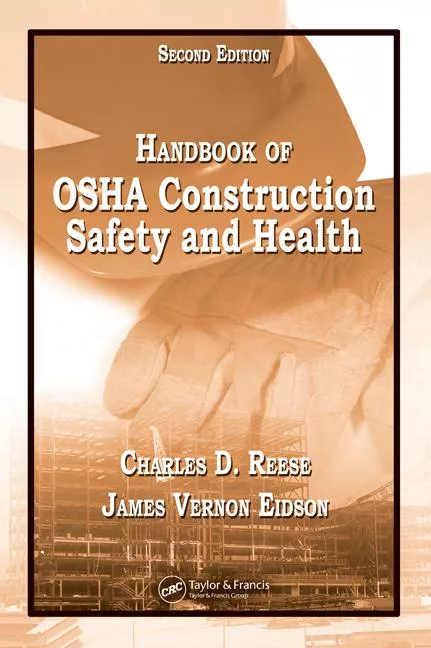
    Handbook of OSHA Construction Safety and Health, Second Edition

  • surviving.webp

    Surviving an OSHA Audit A Management Guide, 2nd Edition

  • 0470387408.jpg

    Preparing for OSHA s Voluntary Protection Programs: A Guide to Success

See More Products

Related Directories

  • ESAB Welding & Cutting

    At ESAB, we exist to shape the future of welding and cutting. We connect fabricators with the widest range of products and PPE under our industry-leading brand portfolio with the latest technologies to solve virtually any industry challenge — then we back it up with our knowledge, experience and passion to help them be more productive than ever before. To learn more, visit esab.com or call 1-800-ESAB-123.
×

Become a Leader in Safety Culture

Build your knowledge with ISHN, covering key safety, health and industrial hygiene news, products, and trends.

JOIN TODAY
  • RESOURCES
    • Advertise
    • Contact Us
    • Directories
    • Manufacturing Division
    • Store
    • Want More
  • SIGN UP TODAY
    • Create Account
    • eMagazine
    • Newsletters
    • Customer Service
    • Manage Preferences
  • SERVICES
    • Marketing Services
    • Reprints
    • Market Research
    • List Rental
    • Survey/Respondent Access
  • STAY CONNECTED
    • LinkedIn
    • Facebook
    • YouTube
    • X (Twitter)
  • PRIVACY
    • PRIVACY POLICY
    • TERMS & CONDITIONS
    • DO NOT SELL MY PERSONAL INFORMATION
    • PRIVACY REQUEST
    • ACCESSIBILITY

Copyright ©2026. All Rights Reserved BNP Media, Inc. and BNP Media II, LLC.

Design, CMS, Hosting & Web Development :: ePublishing