ISHN logo
search
cart
facebook twitter linkedin youtube
  • Sign In
  • Create Account
  • Sign Out
  • My Account
ISHN logo
  • NEWS
    • Today's News
    • Global Safety News
    • Government Regulations
  • PRODUCTS
    • Product Innovations
    • Featured Products
  • TOPICS
    • Environmental Health and Safety
    • Facility Safety
    • Workplace Health
    • Occupational Safety
    • PPE
    • More Topics
  • CONSTRUCTION
  • TECHNOLOGY
  • COLUMNS
    • Best Practices
    • Dave Johnson: What’s going on
    • Editorial Comments
    • Leading Safety
  • MULTIMEDIA
    • ISHN Podcast
    • Videos
    • Cold Stress Education Quiz
    • Webinars
    • White Papers
  • MORE
    • Buyer's Guide
    • Newsletters
    • Convention Companion
    • Polls
    • Events
    • ISHN Store
    • Sponsor Insights
  • EMAGAZINE
    • eMagazine
    • Archived Issues
    • Contact
    • Advertise
  • JOIN TODAY!
Today's Safety NewsGovernment Safety Regulations

OSHA issues final rule to lower beryllium levels

January 6, 2017

A new rule issued today by OSHA dramatically lowers workplace exposure to beryllium, a strategically important material that can cause devastating lung diseases. The new beryllium standards for general industry, construction and shipyards will require employers to take additional, practical measures to protect an estimated 62,000 workers from these serious risks.

Beryllium is a strong, lightweight metal used in the aerospace, electronics, energy, telecommunication, medical and defense industries. However, it is highly toxic when beryllium-containing materials are processed in a way that releases airborne beryllium dust, fume, or mist into the workplace air that can be then inhaled by workers, potentially damaging their lungs.

Recent scientific evidence shows that low-level exposures to beryllium can cause serious lung disease. The new rule revises previous beryllium permissible exposure limits, which were based on decades-old studies.

Based on a "foundation of science"

"Outdated exposure limits do not adequately protect workers from beryllium exposure," said Assistant Secretary of Labor for Occupational Safety and Health Dr. David Michaels. "OSHA's new standard is based on a strong foundation of science and consensus on the need for action, including peer-reviewed scientific evidence, a model standard developed by industry and labor, current consensus standards and extensive public outreach. The new limits will reduce exposures and protect the lives and lungs of thousands of beryllium-exposed workers."

What will change

The final rule will reduce the eight-hour permissible exposure limit from the previous level of 2.0 micrograms per cubic meter to 0.2 micrograms per cubic meter. Above that level, employers must take steps to reduce the airborne concentration of beryllium. The rule requires additional protections, including personal protective equipment, medical exams, other medical surveillance and training, as well. It also establishes a short-term exposure limit of 2.0 micrograms per cubic meter over a 15-minute sampling period.

OSHA estimates that - once in full effect - the rule will annually save the lives of 94 workers from beryllium-related diseases and prevent 46 new cases of beryllium-related disease. Workers in foundry and smelting operations, fabricating, machining, grinding beryllium metal and alloys, beryllium oxide ceramics manufacturing and dental lab work represent the majority of those at risk.

Beryllium exposure is also a concern in other industries. Employees handling fly ash residue from the coal-burning process in coal-fired power plants risk beryllium exposure. In the construction and shipyard industries, abrasive blasters and their helpers may be exposed to beryllium from the use of slag blasting abrasives. Work done in these operations may cause high dust levels and significant beryllium exposures despite the low beryllium content.

Compliance deadlines

To give employers sufficient time to meet the requirements and put proper protections in place, the rule provides staggered compliance dates. Once the rule is effective, employers have one year to implement most of the standard's provisions. Employers must provide the required change rooms and showers beginning two years after the effective date. Employers are also required to implement the engineering controls beginning three years after the effective date of the standards.

The final rule is available today at the Federal Register here.

KEYWORDS: foundry occupational diseases occupational exposure OSHA permissible exposure limits

Share This Story

Looking for a reprint of this article?
From high-res PDFs to custom plaques, order your copy today!

Recommended Content

JOIN TODAY
to unlock your recommendations.

Already have an account? Sign In

  • forklift safety

    Exploring the latest technologies in forklift safety

    With more staff and more stock in warehousing now more...
    Workplace Training Strategies
    By: Josh Cramer
  • welding

    All about welder’s flash or arc eye

    A flash burn is a painful inflammation of the cornea,...
    Environmental Health and Safety
  • dangerous jobs

    The 10 most dangerous jobs in the U.S.

    On-the-job deaths have been rising — hitting the highest...
    Construction Industry Safety and Health
    By: Benita Mehta
Manage My Account
  • eMagazine Subscriptions
  • ISHN Newsletter & Other Newsletter Alerts
  • Online Registration
  • Manage My Preferences
  • Subscription Customer Service

More Videos

Sponsored Content

Sponsored Content is a special paid section where industry companies provide high quality, objective, non-commercial content around topics of interest to the ISHN audience. All Sponsored Content is supplied by the advertising company and any opinions expressed in this article are those of the author and not necessarily reflect the views of ISHN or its parent company, BNP Media. Interested in participating in our Sponsored Content section? Contact your local rep!

close
  • man wearing the the Sundström SR200 Full Face Mask Respirator
    Sponsored byOHD

    5 Fit Testing Mistakes That Could Cost You

  • This image shows Magid AcuSpex polarized blue mirrored safety glasses.
    Sponsored byMagid Glove and Safety

    Construction PPE Guide: What Crews Need for Each Task

  • lone worker in confined space
    Sponsored byAlphasense Ltd.

    GET THE LEAD OUT of your Safety Oxygen Sensors!

Popular Stories

SpaceX 7 launch

OSHA Investigating Fatal Fall at SpaceX Starbase

Worker Impairment

How to Tell When a Co-Worker is Impaired? A Safety Pro’s Challenge

Automated loading dock equipment

After March 2026 Rivian Death, Safety Managers Reassess Loading Dock Systems Under OSHA's Warehouse Emphasis Program

top 10 most dangerous jobs

Poll

Seasonal Readiness

With the federal heat stress prevention rule on the horizon, which area of your safety program needs the most attention?
View Results Poll Archive

Products

Surviving an OSHA Audit A Management Guide, 2nd Edition

Surviving an OSHA Audit A Management Guide, 2nd Edition

See More Products

ISHN Podcasts

Related Articles

  • government rulemaking

    OSHA issues final rule to lower beryllium levels – cause of devastating lung diseases

    See More
  • facility inspection

    OSHA issues final rule to clarify rights to employee representation during inspections

    See More
  • OSHA issues final rule to collect injury, illness data for online posting

    See More

Related Products

See More Products
  • 0470387408.jpg

    Preparing for OSHA s Voluntary Protection Programs: A Guide to Success

  • Top Ten Pitfalls in OSHA Recordkeeping and How to Avoid Them

  • 9781264257829_24.jpeg

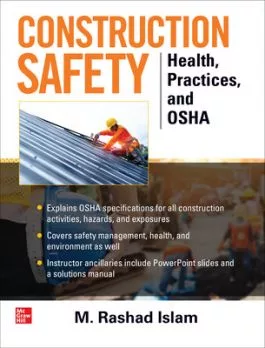
    Construction Safety: Health, Practices and OSHA

See More Products

Events

View AllSubmit An Event
  • December 16, 2016

    ASSE to host virtual symposium on new OSHA Walking-Working Standard

    The American Society of Safety Engineers is offering a virtual symposium to help occupational safety and health professionals better understand the sweeping changes OSHA recently made to its final rule on Walking-Working Surfaces and Personal Fall Protection standards in relation to slip, trip and fall hazards.
  • November 18, 2015

    Free webinar: OSHA 30/30

    Keller and Heckman Partner Manesh Rath hosts OSHA 30/30, a webinar series that will cover OSHA issues for 30 minutes every 30 days.
View AllSubmit An Event
×

Become a Leader in Safety Culture

Build your knowledge with ISHN, covering key safety, health and industrial hygiene news, products, and trends.

JOIN TODAY
  • RESOURCES
    • Advertise
    • Contact Us
    • Directories
    • Manufacturing Division
    • Store
    • Want More
  • SIGN UP TODAY
    • Create Account
    • eMagazine
    • Newsletters
    • Customer Service
    • Manage Preferences
  • SERVICES
    • Marketing Services
    • Reprints
    • Market Research
    • List Rental
    • Survey/Respondent Access
  • STAY CONNECTED
    • LinkedIn
    • Facebook
    • YouTube
    • X (Twitter)
  • PRIVACY
    • PRIVACY POLICY
    • TERMS & CONDITIONS
    • DO NOT SELL MY PERSONAL INFORMATION
    • PRIVACY REQUEST
    • ACCESSIBILITY

Copyright ©2026. All Rights Reserved BNP Media, Inc. and BNP Media II, LLC.

Design, CMS, Hosting & Web Development :: ePublishing