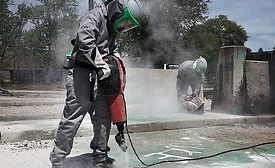
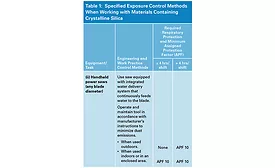
Crystalline silica is an abundant natural material found in soil, stone and sand. It is also present in many construction materials such as brick, mortar and concrete. It becomes respirable when any of the afore-mentioned materials are cut or broken down into fine particles.
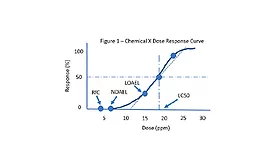
A basic understanding of the toxicological dose-response curve is a necessity for OHS pros. People fear most what they understand the least. New and vast toxicological information can trigger fear and irrational actions.
Many manufacturers use one of two options to clear the air of welding fumes – filter the dirty air and recirculate clean air inside the facility, or exhaust the dirty air outside and provide clean replacement air from outside.
If there’s no occupational exposure limit (OEL) listed for a chemical ingredient or byproduct in a SDS, you can conduct an online search for the chemical by CAS number and include the qualifier DNEL — derived no effect levels. CAS is required on an SDS, DNEL is not.
Exposure to respirable crystalline silica is nothing new for employees on construction sites. However, this exposure can cause serious health issues. In response to these concerns, OSHA issued a new rule on exposure to silica in construction.
Whether chemicals are toxic, corrosive, reactive, flammable, emit volatile organic compounds (VOCs), or are even potentially explosive, the danger of accidental contact, even for short periods, can pose a severe hazard to workers.
OSHA has issued a final rule that updates regulation established 40 years ago to prevent chronic beryllium disease and lung cancer in American workers by limiting their exposure to beryllium and beryllium compounds.
A new rule issued by the U.S. Department of Labor's Occupational Safety and Health Administration dramatically lowers workplace exposure to beryllium, a strategically important material that can cause devastating lung diseases. The new beryllium standards for general industry, construction and shipyards will require employers to take additional, practical measures to protect an estimated 62,000 workers from these serious risks.
The United Steelworkers (USW) are praising OSHA for its release last week of the final rule for occupational exposure to beryllium and beryllium compounds in general industry, construction and maritime.
“This has been a long time in the making,” said USW International President Leo W. Gerard.
A new rule issued today by OSHA dramatically lowers workplace exposure to beryllium, a strategically important material that can cause devastating lung diseases. The new beryllium standards for general industry, construction and shipyards will require employers to take additional, practical measures to protect an estimated 62,000 workers from these serious risks.