ISHN logo
search
cart
facebook twitter linkedin youtube
  • Sign In
  • Create Account
  • Sign Out
  • My Account
ISHN logo
  • NEWS
    • Today's News
    • Global Safety News
    • Government Regulations
  • PRODUCTS
    • Product Innovations
    • Featured Products
  • TOPICS
    • Environmental Health and Safety
    • Facility Safety
    • Workplace Health
    • Occupational Safety
    • PPE
    • More Topics
  • CONSTRUCTION
  • TECHNOLOGY
  • COLUMNS
    • Best Practices
    • Dave Johnson: What’s going on
    • Editorial Comments
    • Leading Safety
  • MULTIMEDIA
    • ISHN Podcast
    • Videos
    • Cold Stress Education Quiz
    • Webinars
    • White Papers
  • MORE
    • Buyer's Guide
    • Newsletters
    • Convention Companion
    • Polls
    • Events
    • ISHN Store
    • Sponsor Insights
  • EMAGAZINE
    • eMagazine
    • Archived Issues
    • Contact
    • Advertise
  • JOIN TODAY!
Today's Safety NewsWorkplace Health

Rural Americans at higher risk of death from five leading causes

January 18, 2017

A new CDC study demonstrates that Americans living in rural areas are more likely to die from five leading causes than their urban counterparts. In 2014, many deaths among rural Americans were potentially preventable, including 25,000 from heart disease, 19,000 from cancer, 12,000 from unintentional injuries, 11,000 from chronic lower respiratory disease, and 4,000 from stroke. The percentages of deaths that were potentially preventable were higher in rural areas than in urban areas. The report and a companion commentary are part of a new rural health series in CDC’s Morbidity and Mortality Weekly Report.

“This new study shows there is a striking gap in health between rural and urban Americans,” said CDC Director Tom Frieden, M.D., M.P.H. “To close this gap, we are working to better understand and address the health threats that put rural Americans at increased risk of early death.”

Some 46 million Americans — 15 percent of the U.S. population — currently live in rural areas. Several demographic, environmental, economic, and social factors might put rural residents at higher risk of death from these public health conditions. Residents of rural areas in the United States tend to be older and sicker than their urban counterparts. They have higher rates of cigarette smoking, high blood pressure, and obesity. Rural residents report less leisure-time physical activity and lower seatbelt use than their urban counterparts. They also have higher rates of poverty, less access to healthcare, and are less likely to have health insurance.

The Health Resources and Services Administration (HRSA), which houses the Federal Office of Rural Health Policy, will collaborate with CDC on the series and will help to promote the findings and recommendations to rural communities. 

“We have seen increasing rural-urban disparities in life expectancy and mortality emerge in the past few years. CDC’s focus on these critical rural health issues comes at an important time,” said Health Resources and Services Administration (HRSA) Acting Administrator Jim Macrae. 

In the study, mortality data for U.S. residents was analyzed from the National Vital Statistics System.

Counties were placed in two categories—urban or rural—based on the NCHS urban-rural classification scheme for counties. The current study found that unintentional injury deaths were approximately 50 percent higher in rural areas than in urban areas, partly due to greater risk of death from motor vehicle crashes and opioid overdoses. Also, because of the distance between healthcare facilities and trauma centers, rapid access to specialized care can be more challenging for people injured in rural areas.

The gaps in health can be addressed. For example, healthcare providers in rural areas can:

  • Screen patients for high blood pressure and make control a quality improvement goal. High blood pressure is a leading risk factor for heart disease and stroke.
  • Increase cancer prevention and early detection. Rural healthcare providers should participate in the state-level comprehensive control coalitions. Comprehensive cancer control programs focus on cancer prevention, education, screening, access to care, support for cancer survivors, and overall good health.
  • Encourage physical activity and healthy eating to reduce obesity. Obesity has been linked to a variety of serious chronic illnesses, including diabetes, heart disease, cancer, and arthritis.
  • Promote smoking cessation. Cigarette smoking is the leading cause of preventable disease and death in the United States and is the most significant risk factor for chronic lower respiratory disease.
  • Promote motor vehicle safety. Rural healthcare providers should encourage patients to always wear a seat belt and counsel parents and child care providers to use age- and size-appropriate car seats, booster seats, and seat belts on every trip.
  • Engage in safer prescribing of opioids for pain. Healthcare providers should follow the CDC guideline when prescribing opioids for chronic pain and educate patients on the risks and benefits of opioids and using nonpharmacologic therapies to provide greater benefit.

Not all deaths can be prevented. Some rural areas might have characteristics that put residents at higher risk of death, such as long travel distances to specialty and emergency care or exposures to specific environmental hazards. It’s also possible that excessively high death rates could signal a need for improved public health programs that support healthier behaviors and neighborhoods or better access to health care services.

To read the entire report and companion commentary: www.cdc.gov/mmwr.

For more information on rural health: www.hrsa.gov/ruralhealth

KEYWORDS: cancer cardiovascular disease health care health insurance obesity

Share This Story

Looking for a reprint of this article?
From high-res PDFs to custom plaques, order your copy today!

Recommended Content

JOIN TODAY
to unlock your recommendations.

Already have an account? Sign In

  • forklift safety

    Exploring the latest technologies in forklift safety

    With more staff and more stock in warehousing now more...
    Workplace Training Strategies
    By: Josh Cramer
  • welding

    All about welder’s flash or arc eye

    A flash burn is a painful inflammation of the cornea,...
    Environmental Health and Safety
  • dangerous jobs

    The 10 most dangerous jobs in the U.S.

    On-the-job deaths have been rising — hitting the highest...
    Government Safety Regulations
    By: Benita Mehta
Manage My Account
  • eMagazine Subscriptions
  • ISHN Newsletter & Other Newsletter Alerts
  • Online Registration
  • Manage My Preferences
  • Subscription Customer Service

More Videos

Sponsored Content

Sponsored Content is a special paid section where industry companies provide high quality, objective, non-commercial content around topics of interest to the ISHN audience. All Sponsored Content is supplied by the advertising company and any opinions expressed in this article are those of the author and not necessarily reflect the views of ISHN or its parent company, BNP Media. Interested in participating in our Sponsored Content section? Contact your local rep!

close
  • man wearing the the Sundström SR200 Full Face Mask Respirator
    Sponsored byOHD

    5 Fit Testing Mistakes That Could Cost You

  • This image shows Magid AcuSpex polarized blue mirrored safety glasses.
    Sponsored byMagid Glove and Safety

    Construction PPE Guide: What Crews Need for Each Task

  • lone worker in confined space
    Sponsored byAlphasense Ltd.

    GET THE LEAD OUT of your Safety Oxygen Sensors!

Popular Stories

SpaceX 7 launch

OSHA Investigating Fatal Fall at SpaceX Starbase

dust explosion

Tennessee OSHA Issues Record $3.1M Fine After Deadly Explosion at Munitions Plant

roofing dangerous jobs Getty.jpg

OSHA Finds Florida Roofing Company Willfully Exposed Workers to Safety Hazards After Worker’s Fatal Fall

top 10 most dangerous jobs

Poll

Seasonal Readiness

With the federal heat stress prevention rule on the horizon, which area of your safety program needs the most attention?
View Results Poll Archive

Products

Surviving an OSHA Audit A Management Guide, 2nd Edition

Surviving an OSHA Audit A Management Guide, 2nd Edition

See More Products

ISHN Podcasts

Related Articles

  • NIOSH update: Aging workers at higher risk of death, severe injury (12/15)

    See More
  • Can't sleep? You could be at higher risk of a heart attack

    See More
  • depression

    Study links social isolation to higher risk of death

    See More

Related Products

See More Products
  • 1119906652.webp

    Alive and Well at the End of the Day: The Supervisor's Guide to Managing Safety in Operations, 2E

  • industrial hy.jpg

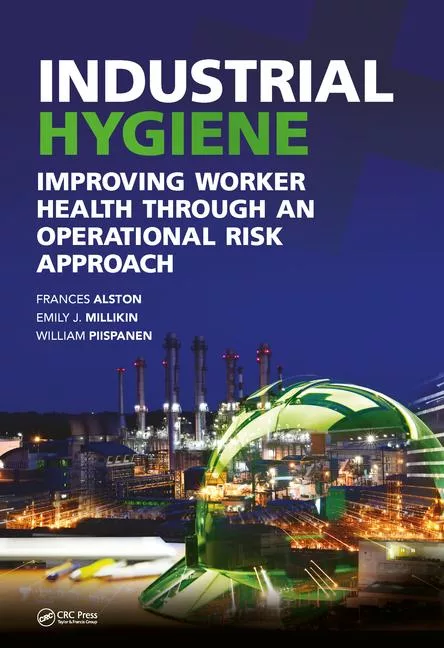
    Industrial Hygiene: Improving Worker Health through an Operational Risk Approach

See More Products

Related Directories

  • National Safety Council

    Save lives, from the workplace to anyplace. The National Safety Council is America’s leading nonprofit safety advocate. We focus on eliminating the leading causes of preventable injuries and deaths.
  • Association of American Railroads (AAR)

    Since 1934, AAR has been the leading voice for the U.S. freight rail industry, driving policy, research, and technology to enhance safety and efficiency. Freight rail is a cornerstone of the U.S. economy, powering industries, facilitating trade, and supporting some of America’s safest and highest paid jobs—all while operating on a privately funded infrastructure that eases congestion on taxpayer-funded roads. From bulk commodities to intermodal freight, rail ensures the seamless movement of goods nationwide, serving as a vital link in global supply chains.
×

Become a Leader in Safety Culture

Build your knowledge with ISHN, covering key safety, health and industrial hygiene news, products, and trends.

JOIN TODAY
  • RESOURCES
    • Advertise
    • Contact Us
    • Directories
    • Manufacturing Division
    • Store
    • Want More
  • SIGN UP TODAY
    • Create Account
    • eMagazine
    • Newsletters
    • Customer Service
    • Manage Preferences
  • SERVICES
    • Marketing Services
    • Reprints
    • Market Research
    • List Rental
    • Survey/Respondent Access
  • STAY CONNECTED
    • LinkedIn
    • Facebook
    • YouTube
    • X (Twitter)
  • PRIVACY
    • PRIVACY POLICY
    • TERMS & CONDITIONS
    • DO NOT SELL MY PERSONAL INFORMATION
    • PRIVACY REQUEST
    • ACCESSIBILITY

Copyright ©2026. All Rights Reserved BNP Media, Inc. and BNP Media II, LLC.

Design, CMS, Hosting & Web Development :: ePublishing