ISHN logo
search
cart
facebook twitter linkedin youtube
  • Sign In
  • Create Account
  • Sign Out
  • My Account
ISHN logo
  • NEWS
    • Today's News
    • Global Safety News
    • Government Regulations
  • PRODUCTS
    • Product Innovations
    • Featured Products
  • TOPICS
    • Environmental Health and Safety
    • Facility Safety
    • Workplace Health
    • Occupational Safety
    • PPE
    • More Topics
  • CONSTRUCTION
  • TECHNOLOGY
  • COLUMNS
    • Best Practices
    • Dave Johnson: What’s going on
    • Editorial Comments
    • Leading Safety
  • MULTIMEDIA
    • ISHN Podcast
    • Videos
    • Cold Stress Education Quiz
    • Webinars
    • White Papers
  • MORE
    • Buyer's Guide
    • Newsletters
    • Convention Companion
    • Polls
    • Events
    • ISHN Store
    • Sponsor Insights
  • EMAGAZINE
    • eMagazine
    • Archived Issues
    • Contact
    • Advertise
  • JOIN TODAY!
Workplace Safety Culture

It pays to create a culture of workplace safety

By Mike Schmidt
June 13, 2017

Creating and maintaining a safe work environment should be a priority of great significance for all manufacturers, but ensuring the well-being of employees on the job is an incredibly tall task.

Any effort undertaken to address safety should begin with an examination of company culture and its effects on employees. Since organizational behavior is shaped by shared beliefs, attitudes, values and practices, assessing where a company is at in terms of creating a culture of safety can help it determine what steps to take to develop and implement safety policies, prevent workplace injuries and ultimately improve its bottom line.

“Everyone needs to be committed,” said Carl Uhnick of Kokosing Construction Company, a Columbus, Ohio-based self-performing contractor with divisions in heavy highway, asphalt, utility and equipment. “A strong safety culture is going to have the single biggest impact on your reduction of injuries, more than anything else. Our culture drives our behavior, and our behaviors produce our culture.”

Why Safety?

Simply stated, safety is good for business. Every workplace injury – no matter how severe – comes with a cost. According to the Occupational, Safety and Health Organization (OSHA), it has been estimated that employers dole out approximately $1 billion per week for direct workers' compensation costs alone. Other direct costs associated with workplace injuries include medical and legal expenses.

However, manufacturers also see their bottom lines’ adversely affected by indirect costs related to workplace injuries. Training replacement employees, accident investigation and implementation of corrective measures, lost productivity, repairs of damaged equipment and property, as well as expenses associated with lower employee morale and absenteeism are all common examples of indirect costs.

Manufacturers have a vested interest in ensuring they emphasize the importance of safety while on the job. Accruing needless expenses due to preventable workplace accidents and injuries is something every company should work diligently to avoid. According to Uhnick, keeping employees out of harm’s way and making sure each and every one of them leaves work and returns home in the same shape – or better than when they arrived – should be a top organizational priority.

“Does everyone feel responsible for safety 24/7?” asked Uhnick. “If your people do not feel like they are part of the safety team, then you are not an elite-type culture yet.”

Factors That Affect Culture

A number of factors play a role in determining whether or not a manufacturer can establish a culture of safety in the workplace. They include:

  • Employees’ willingness to buy into practicing safe behaviors, their overall attitude and personal commitment toward safety
  • Management’s assumptions of their employees, what they do, and how they do it
  • Employee norms
  • Organizational values, policies and procedures
  • How well everyone within the company understands their roles and responsibilities related to workplace safety
  • Action or inaction on the part of management and employees to correct unsafe behavior
  • Established training practices related to safety

What Constitutes A Safety Culture?

A workplace where safety is a top priority is populated with employees who are quick to identify and address unsafe conditions or behaviors. In addition, said Uhnick, these employees are not only compelled to act when a potentially dangerous situation arises, they are also empowered to deal with the root causes of the issue.

Communication is also one of the most critical elements for leaders in building a safety culture. Those employed in managerial roles must ask themselves a number of questions to determine whether or not they are giving and receiving good feedback from their employees. They include:

  • How close are you to the people you employ?
  • Are you connecting with them on a regular basis?
  • Do you have good conversations with them?
  • Are you connecting with them prior to the beginning of a workday to make sure all is well?

Taking Ownership

Above all else, the key to successfully building and maintaining a culture of safety in the workplace is to set “clear, winning, unwavering goals” and then to develop leaders to serve as catalysts for achieving them, said Uhnick. Many companies, he continued, focus too much on trying to develop a roadmap to success, and they fail to adequately define what they actually want to accomplish.

Organizational leaders should put forth an effort to spell out specific goals, provide certain necessary details and – most importantly – inspire others to create the ideal culture of safety with them. Since it can be difficult to stay motivated to emphasize safety in the workplace each and every day, great mangers combat that issue by “going the extra mile” to reward safe behaviors and celebrate desirable safety results.

“Have you taken ownership and leadership of the scenario?” asked Uhnick. “Because most leaders aren’t willing to self-reflect enough to say, ‘I haven’t done enough.’ If you are a leader, do more.”

Culture Development

Successfully establishing a culture of safety is no small feat for a manufacturer today. Everyone in the company must be committed to both communicating effectively and working with one another to establish an environment where shared beliefs, attitudes, values and practices all revolve around safety.

Anyone who goes to work for a company is immediately affected by its culture, so it is up to top managers to communicate safety goals to incoming employees and serve as an example of how to attain them. While it can be easier to emphasize other organizational priorities, such as production and quality, it does pay – literally – to create a culture of workplace safety.

“It takes a clear message, teamwork, motivation,” said Uhnick.

“And the process never ends,” he continued. “It just keeps getting refined.”


Source: The Association of Equipment Manufacturers (AEM)

This content was originally delivered as a CONEXPO-CON/AGG Education Session. USBs containing video recordings of all of the show sessions are available for purchase at http://shop.aem.org/c-121-conexpo-conagg-2017.aspx.

KEYWORDS: absenteeism employee engagement injuries workers compensation

Share This Story

Looking for a reprint of this article?
From high-res PDFs to custom plaques, order your copy today!

Mike Schmidt is Industry Advisor Editor for the Association of Equipment Manufacturers.

Recommended Content

JOIN TODAY
to unlock your recommendations.

Already have an account? Sign In

  • forklift safety

    Exploring the latest technologies in forklift safety

    With more staff and more stock in warehousing now more...
    Workplace Training Strategies
    By: Josh Cramer
  • welding

    All about welder’s flash or arc eye

    A flash burn is a painful inflammation of the cornea,...
    Environmental Health and Safety
  • dangerous jobs

    The 10 most dangerous jobs in the U.S.

    On-the-job deaths have been rising — hitting the highest...
    Government Safety Regulations
    By: Benita Mehta
Manage My Account
  • eMagazine Subscriptions
  • ISHN Newsletter & Other Newsletter Alerts
  • Online Registration
  • Manage My Preferences
  • Subscription Customer Service

More Videos

Sponsored Content

Sponsored Content is a special paid section where industry companies provide high quality, objective, non-commercial content around topics of interest to the ISHN audience. All Sponsored Content is supplied by the advertising company and any opinions expressed in this article are those of the author and not necessarily reflect the views of ISHN or its parent company, BNP Media. Interested in participating in our Sponsored Content section? Contact your local rep!

close
  • man wearing the the Sundström SR200 Full Face Mask Respirator
    Sponsored byOHD

    5 Fit Testing Mistakes That Could Cost You

  • This image shows Magid AcuSpex polarized blue mirrored safety glasses.
    Sponsored byMagid Glove and Safety

    Construction PPE Guide: What Crews Need for Each Task

  • lone worker in confined space
    Sponsored byAlphasense Ltd.

    GET THE LEAD OUT of your Safety Oxygen Sensors!

Popular Stories

SpaceX 7 launch

OSHA Investigating Fatal Fall at SpaceX Starbase

Worker Impairment

How to Tell When a Co-Worker is Impaired? A Safety Pro’s Challenge

psychology in the workplace

Most Workplaces Measure Psychological Safety, Ignoring Psychosocial Risks

top 10 most dangerous jobs

Poll

Seasonal Readiness

With the federal heat stress prevention rule on the horizon, which area of your safety program needs the most attention?
View Results Poll Archive

Products

Surviving an OSHA Audit A Management Guide, 2nd Edition

Surviving an OSHA Audit A Management Guide, 2nd Edition

See More Products

ISHN Podcasts

Related Articles

  • FR clothing

    How to Leverage Technology to Create a Culture of Safety

    See More
  • Create a culture of accountability

    See More
  • How to create a safety culture: 3 easy steps

    See More

Related Products

See More Products
  • 9781138749573.jpg

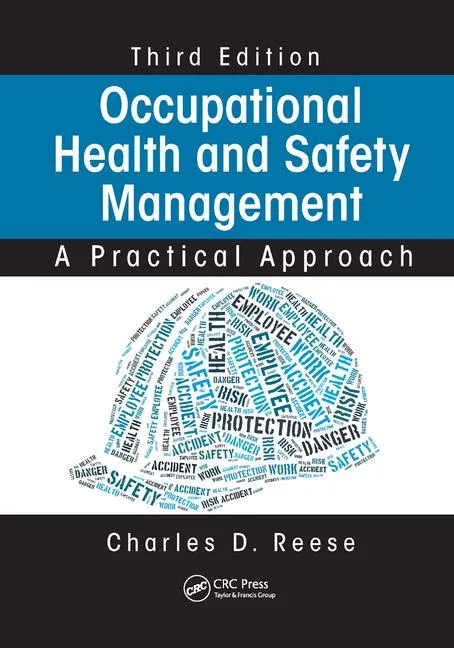
    Occupational Health and Safety Management: A Practical Approach, Third Edition

See More Products

Related Directories

  • Florida Chamber Safety Council

    With vision and strategy guided by a Statewide Leadership Advisory Board, the Florida Chamber Safety Council is creating national standards for workplace safety, implementing first-in-the-nation programs to prevent injuries, reduce operational costs, and improve production, performance, and corporate safety culture.
  • Alliance of Women’s Safety Apparel Manufacturers (AWSAM)

    The Alliance of Women's Safety Apparel Manufacturers is a collection of specialty manufacturers and distributors committed to providing properly designed and fitted PPE for women. Our foundational pillars are Awareness, Access and Advocacy. Our non-profit organization has 12 Founding Members and aligns the needs of women in the workforce and the companies they work for with specialty manufacturers dedicated to providing appropriate PPE for women. The Founding Members of the organization have made great strides in removing barriers to access that have existed for many years and kept women from being equally protected. Together, we create a platform that increases awareness of products made for women, encourages equal access to appropriately fitting PPE, and advocates for the safety of women in the workforce. In the spirit of co-opetition, we collaborate to envision what is next for women in industry as we work side by side to accomplish our mission, increase our impact, and share the journey with everyone seeking to elevate diversity and equality in their workplace.
×

Become a Leader in Safety Culture

Build your knowledge with ISHN, covering key safety, health and industrial hygiene news, products, and trends.

JOIN TODAY
  • RESOURCES
    • Advertise
    • Contact Us
    • Directories
    • Manufacturing Division
    • Store
    • Want More
  • SIGN UP TODAY
    • Create Account
    • eMagazine
    • Newsletters
    • Customer Service
    • Manage Preferences
  • SERVICES
    • Marketing Services
    • Reprints
    • Market Research
    • List Rental
    • Survey/Respondent Access
  • STAY CONNECTED
    • LinkedIn
    • Facebook
    • YouTube
    • X (Twitter)
  • PRIVACY
    • PRIVACY POLICY
    • TERMS & CONDITIONS
    • DO NOT SELL MY PERSONAL INFORMATION
    • PRIVACY REQUEST
    • ACCESSIBILITY

Copyright ©2026. All Rights Reserved BNP Media, Inc. and BNP Media II, LLC.

Design, CMS, Hosting & Web Development :: ePublishing