Sweaty gloves can cause health problems & limit mobility
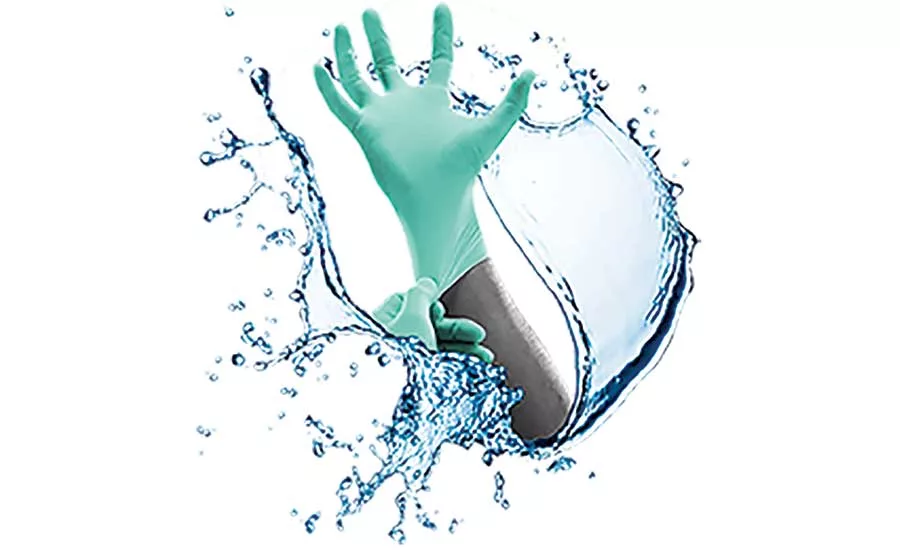
Our hands’ natural reaction to a tight, hot environment – sweat – can make wearing gloves uncomfortable and even lead to skin problems that make the issue worse. When skin is exposed to sweat for a prolonged time, it weakens and becomes more vulnerable; the moist environment is the perfect breeding ground for bacteria and fungus. In short, gloves are a necessary precaution, but without taking steps to reduce sweat buildup gloves quickly become a source of discomfort and health issues.
To say wetness in a single-use glove is uncomfortable is an understatement. Not only does it hinder your ability to perform certain job functions by limiting your dexterity, tactility and mobility, it can also become a safety hazard, since some workers will forego gloves altogether rather than deal with the sticky, oppressive feeling of a wet glove.1
Decreasing productivity
Standard single-use gloves provide a non-permeable barrier that safely protects workers’ hands in light duty work environments. However, they also create a highly undesirable result – a harsh occlusive environment between the glove and hand that yields a new set of risks for the wearer: lack of airflow inhibits proper regulation of the skin environment, glove friction from repeatedly rubbing against the skin harms the upper skin layers, and higher temperatures within the glove increase perspiration and discomfort.
Over time, health risks for workers from uncomfortable single-use gloves can greatly decrease productivity, encourage more frequent workplace safety violations, and increase the risk of significant medical issues, all of which lead to much higher costs for employers. By limiting hand functionality, perspiration may hinder a worker’s ability to perform certain job functions, or cause them to change gloves more frequently. Yet, repeatedly alternating from a wet to dry environment, like donning and removing several pairs of gloves a day, exacerbates skin irritation. Some workers may forego wearing protection entirely rather than endure the clammy, suffocating feeling of a wet glove, dramatically increasing the risk of safety issues and the potential for worker injuries.
Deeper damage
Even if workers endure this discomfort, deeper skin damage and irritation may occur from prolonged exposure to this occlusive, sweaty environment. As moisture stays on the skin, natural barrier components like essential lipids are stripped away, leaving the skin more exposed to the harmful elements that thrive in a warm, moist environment.
It doesn’t get any better when gloves are removed. Compromised skin is exposed to a dramatic fluctuation in temperature as well as a much more arid environment. Workers in the medical, dental and veterinary fields are more susceptible to this pattern of glove donning and removal and the subsequent irritation, as a new pair of gloves is typically required as each new patient is seen.
This volatile combination leads to increases in skin irritation, such as dryness, chapping and cracking, that can lead to more serious conditions such as chronic contact dermatitis, one of the most commonly reported occupational diseases. This can not only be detrimental to the health of the worker, but also extremely costly to the employer. OSHA calculates that a single case of dermatitis can cost more than $11,000 in employer-paid expenses.2
Hard to avoid
Unfortunately, sweating while wearing a single-use glove is inevitable. These gloves are designed to form a non-permeable layer between the outside environment and your hands for protection and safety. Once a glove is donned, the environment within begins to change. Temperature rises, causing hand sweat, which then weakens dermatological barriers. Similarly, risk of exposure to microbial hazards due to damaged skin layers cannot be fully mitigated, as the microbial risks are completely invisible and unidentifiable until symptoms of the infection become visible, such as redness, itchiness or inflammation.
But managing the occlusive environment is not as daunting as it seems. Common moisture management techniques include frequent glove changes to limit exposure to prolonged moisture as well as emollients and creams that add an additional layer of protection between glove moisture and the skin. But glove changes impede productivity, since you need to stop what you are doing to remove and then don a new pair of gloves.
Selecting the best option
While these techniques may be the traditional methods of managing moisture in the occlusive environment, they aren’t necessarily the best solutions. Newer technologies within a glove help manage this interior environment and make the wearing experience much more comfortable and productive, while providing benefits that protect skin from the occlusive environment itself.
One such technology incorporates an absorbent liner that wicks moisture from the skin. Creating a drier ecosystem within the glove provides a healthier environment for the hand. Additionally, therapeutic properties and protective ingredients manufactured right into a glove can limit the potential for irritation from the occlusive environment on the inside.
Selecting the best method depends on the user — is there time to change gloves or apply a sticky cream before donning gloves or is it best to use gloves that will provide a more balanced, safer hand health environment from the start? The choice affects user health and safety as well as business costs and productivity, so be sure to consider the occlusive environment and its effects before selecting the best gloves for your purposes.
1 “When Workers Won’t Wear Gloves.” ISHN RSS. N.p., n.d. Web. 10 Dec. 2015.
2 “Estimated Costs of Occupational Injuries and Illnesses and Estimated Impact on a Company's Profitability Worksheet." OSHA Small Business. N.p., 2011. Web. 1 Mar. 2016.
Looking for a reprint of this article?
From high-res PDFs to custom plaques, order your copy today!